


• About
  • Editor & Writers
  • Contact
  • Sitemap
No Result
View All Result
Support Our Mission
Saturday, October 3, 2026
The Indian Tribal
  • Home
  • Achievers
    • उपलब्धिकर्ता
  • Cuisine
    • खान पान
  • Health
    • स्वास्थ्य
  • Legal
    • कानूनी
  • Music
    • संगीत
  • News
    • Updates
    • खबरें
  • Sports
    • खेलकूद
  • Variety
    • विविध
  • हिंदी
    • All
    • आदिवासी
    • उपलब्धिकर्ता
    • कला और संस्कृति
    • कानूनी
    • खबरें
    • खान पान
    • खेलकूद
    • जनजाति
    • भारत
    • विविध
    • संगीत
    • संस्कृति
    • स्वास्थ्य
    The Indian Tribal

    मेघालय के आदिवासी समुदाय बचा रहे जंगल और जल स्रोत, बालपाक्रम राष्ट्रीय उद्यान में संरक्षण की नई मिसाल

    The Indian Tribal

    ओडिशा के नबरंगपुर में आदिवासी किसानों की मक्का खेती ने कैसे बदली तस्वीर

    The Indian Tribal

    छत्तीसगढ़ में आदिवासी ट्रैकर्स और AI मिलकर बचा रहें हैं दुर्लभ वन्यजीव

    The Indian Tribal

    हाशिए से राष्ट्रीय केंद्र तक: बदल रही है भारत के आदिवासी समुदायों की कहानी

    The Indian Tribal

    शिक्षा, वन उपज में मूल्य संवर्धन से आदिवासी समुदायों के आर्थिक सशक्तीकरण की नई राह

    The Indian Tribal

    मणिपुर में संघर्ष के बीच आदिवासी कोचों ने संभाली नई पीढ़ी के खिलाड़ियों की कमान

    The Indian Tribal

    ओडिशा के आदिवासी किसान ने 10 सालों में बचाईं धान की 100 से ज्यादा देशी किस्में

    The Indian Tribal

    आदिवासी समुदायों में पारंपरिक दाइयों की भूमिका क्यों अब भी कायम है, जब सरकार संस्थागत प्रसव पर दे रही है जोर?

  • Gallery
    • Videos
  • Latest News
The Indian Tribal
  • Home
  • Achievers
    • उपलब्धिकर्ता
  • Cuisine
    • खान पान
  • Health
    • स्वास्थ्य
  • Legal
    • कानूनी
  • Music
    • संगीत
  • News
    • Updates
    • खबरें
  • Sports
    • खेलकूद
  • Variety
    • विविध
  • हिंदी
    • All
    • आदिवासी
    • उपलब्धिकर्ता
    • कला और संस्कृति
    • कानूनी
    • खबरें
    • खान पान
    • खेलकूद
    • जनजाति
    • भारत
    • विविध
    • संगीत
    • संस्कृति
    • स्वास्थ्य
    The Indian Tribal

    मेघालय के आदिवासी समुदाय बचा रहे जंगल और जल स्रोत, बालपाक्रम राष्ट्रीय उद्यान में संरक्षण की नई मिसाल

    The Indian Tribal

    ओडिशा के नबरंगपुर में आदिवासी किसानों की मक्का खेती ने कैसे बदली तस्वीर

    The Indian Tribal

    छत्तीसगढ़ में आदिवासी ट्रैकर्स और AI मिलकर बचा रहें हैं दुर्लभ वन्यजीव

    The Indian Tribal

    हाशिए से राष्ट्रीय केंद्र तक: बदल रही है भारत के आदिवासी समुदायों की कहानी

    The Indian Tribal

    शिक्षा, वन उपज में मूल्य संवर्धन से आदिवासी समुदायों के आर्थिक सशक्तीकरण की नई राह

    The Indian Tribal

    मणिपुर में संघर्ष के बीच आदिवासी कोचों ने संभाली नई पीढ़ी के खिलाड़ियों की कमान

    The Indian Tribal

    ओडिशा के आदिवासी किसान ने 10 सालों में बचाईं धान की 100 से ज्यादा देशी किस्में

    The Indian Tribal

    आदिवासी समुदायों में पारंपरिक दाइयों की भूमिका क्यों अब भी कायम है, जब सरकार संस्थागत प्रसव पर दे रही है जोर?

  • Gallery
    • Videos
  • Latest News
No Result
View All Result
The Indian Tribal
No Result
View All Result
  • Home
  • Achievers
  • Cuisine
  • Health
  • Legal
  • Music
  • News
  • Sports
  • Variety
  • हिंदी
  • Gallery
  • Latest News
Support Our Mission
Home » The Indian Tribal / Variety » Discover The Treasures Of Odisha’s Purvasha Folk And Tribal Art Museum

Discover The Treasures Of Odisha’s Purvasha Folk And Tribal Art Museum

From tribal textiles and intricate palm-leaf engravings to folk paintings and traditional musical instruments, its collections offer a glimpse into diverse cultural legacies, Niroj Ranjan Misra gives us a tour

October 3, 2026
The Indian Tribal

Purvasha Folk And Tribal Art Museum

Bhubaneswar

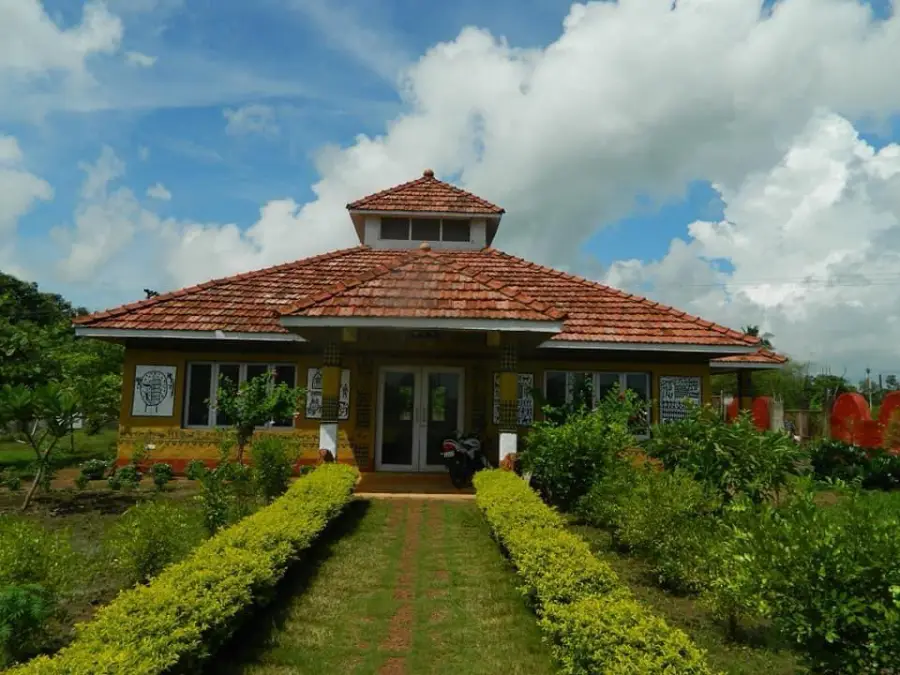
The tribal and the folk make a perfect coalition at the Purvasha Folk and Tribal Art Museum (PFTAM). Nestled amid the artistic ambience of the Odi Art Centre (OAC), near Asia’s largest brackish-water lake, Chilika, at Barkul in Odisha’s Khurda district, the museum boasts a magical mix of old and new art and artefacts. Alongside folk fabrics, tribal textiles add to the texture and tapestry of its collections.

Spread across 32 galleries, the museum houses more than 2,000 exhibits that not only mirror Odisha’s craft and culture but also represent the cultural traditions of other Indian states and countries.

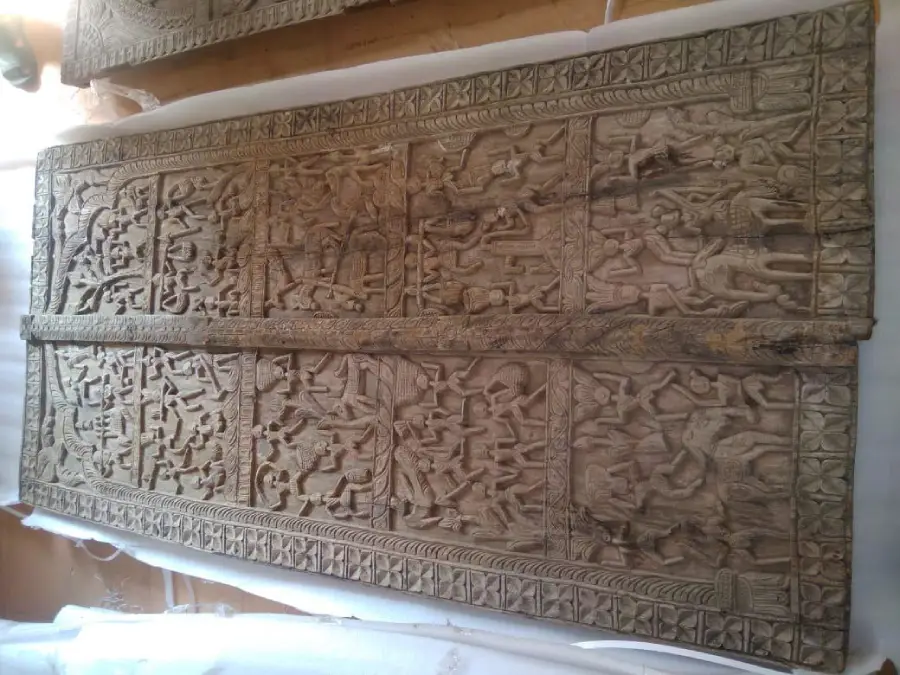
Some of its exhibits date back centuries. These include a brass puja ghanti (temple bell) weighing more than one quintal. Another remarkable exhibit is a carved wooden door, measuring 6 feet by 3 feet, with Saura motifs engraved on it. More than 200 years old, the door bears testimony to the rich artistic heritage of tribal Odisha. Besides these exhibits, more than 500 artefacts lying in the museum’s storeroom and awaiting display offer further evidence of its cultural wealth.
The Indian Tribal
Tribal Door Of Malkangiri District With Saora Motifs

“The museum, where tribal and folk art and artefacts come together to reflect cultural opulence, is one of its kind in Odisha. I think it is also unique in the whole of India,” Bishweshwar Das, PFTAM secretary and a film producer told The Indian Tribal.

Pattachitra, Palm-Leaf Engravings And Intricate Craftsmanship

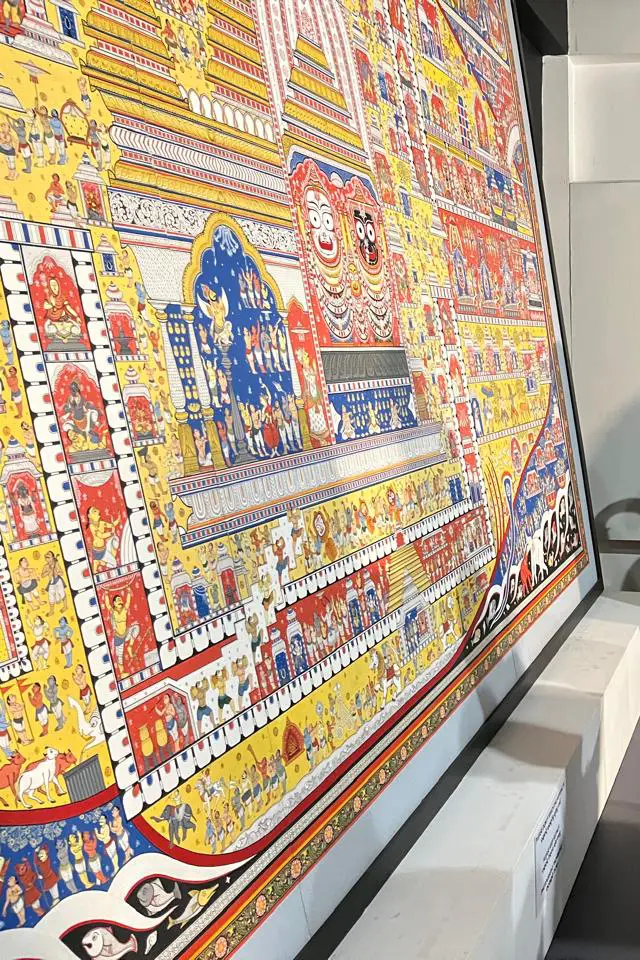
The folk painting Pattachitra titled Sankha Navi Khetra (SNK), which depicts the pilgrim city of Puri and its divine triad—Lord Jagannath, Lord Balabhadra and Devi Subhadra—lends credence to Bishweshwar’s contention.

Covering an entire museum wall measuring 11 feet by 15 feet, this striking work is a remake of a much larger original, dating back 150 years, housed in the Ny Carlsberg Glyptotek, a national museum in Copenhagen, the capital of Denmark.

However, the remake is not an exact replica of the original. Certain modifications have been incorporated to showcase and assert the artistic excellence and distinctiveness of Odia artists and artisans, says Prasanna Kumar Dash, founder-director of OAC and PFTAM.
The Indian Tribal
Pattachitra
The Indian Tribal
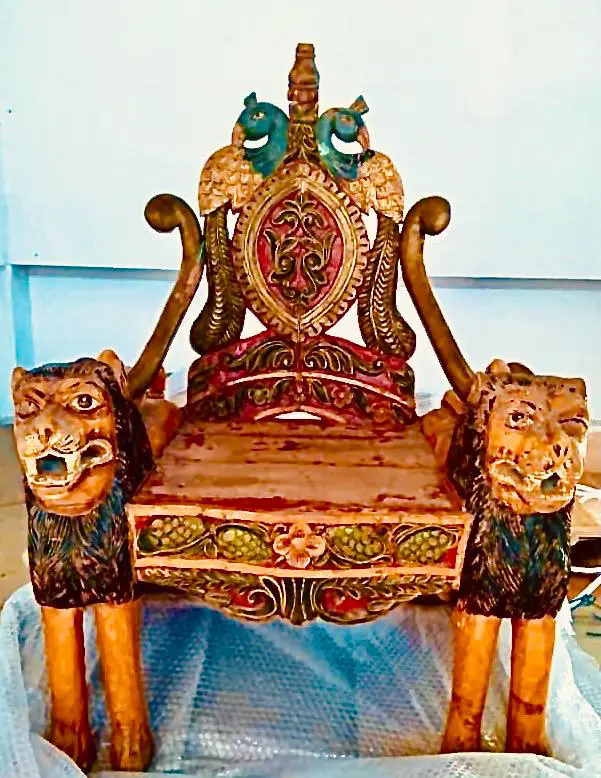
A Chair Of Artistic Wooden Work

“The original SNK, which depicts Puri as a dharma kshetra within a conch shell, features a group of British seafarers. But our SNK, created in 2017 by noted Bhubaneswar-based Pattachitra artist Tanmaya Mohapatra, replaces the British seafarers with their Indian counterparts,” says Prasanna.

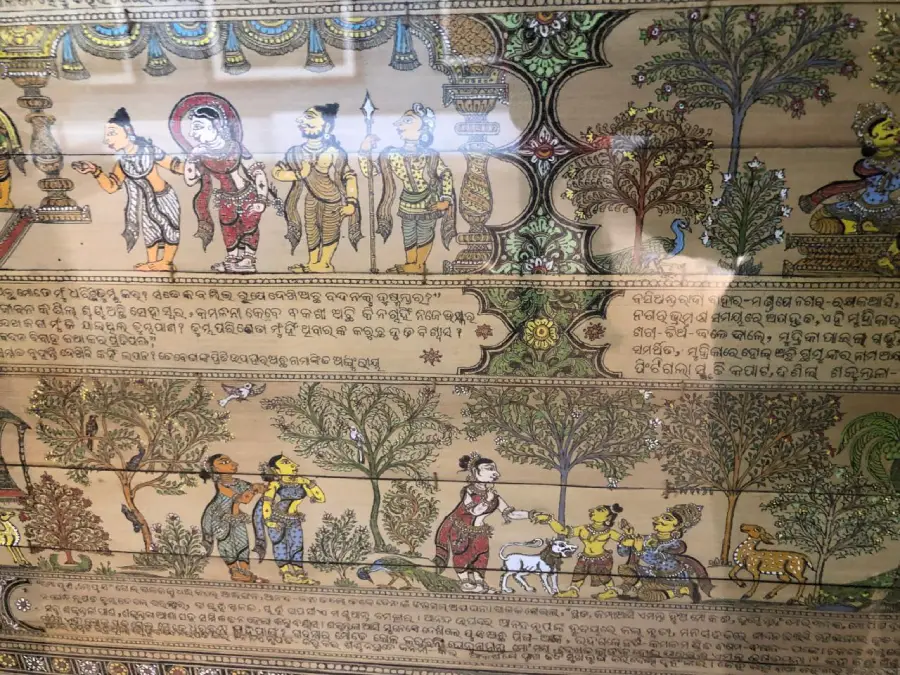
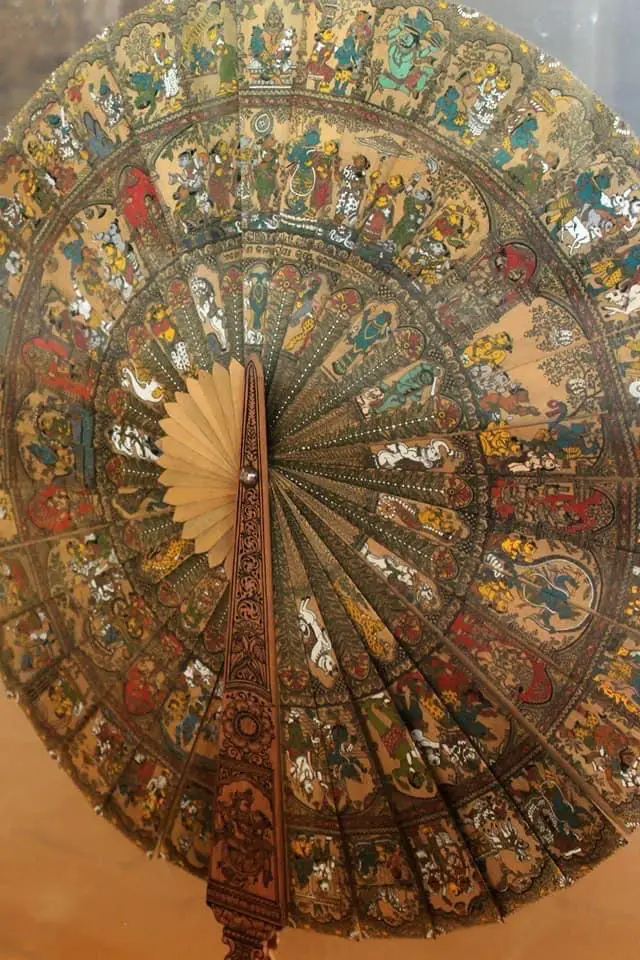
Apart from SNK, the gallery of palm-leaf engravings immediately catches the eye. One of the exhibits features Abhijnanashakuntalam, the classical Sanskrit masterpiece by Mahakavi Kalidasa, inscribed on palm leaves and accompanied by colourful illustrations.

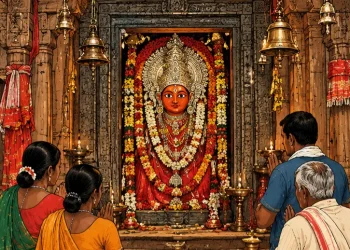
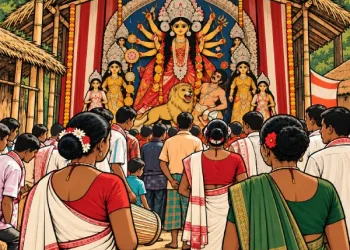
Another remarkable exhibit is a nine-foot-tall idol of Goddess Durga, crafted using hornwork and flanked by idols of Goddess Lakshmi and Lord Ganesha. The installation is displayed against a glass backdrop.

This intricate piece of craftsmanship was collected from Paralakhemundi, the district headquarters of Gajapati district. Designed by artisans from Paralakhemundi in collaboration with their counterparts from Bengal, the masterpiece was created for a Durga Puja pandal of Hati Bagan Sarbojanin Club in Kolkata more than 20 years ago. Its master artist, Sanjiv Saha, later gifted it to PFTAM.

Tribal Textiles Weave Together Odisha’s Cultural Diversity

Habaspuri textiles, associated with the tribal Kutia Kondh community of Kalahandi, and Kotpad fabrics woven by members of the Mirgan community in Koraput district adorn the museum’s galleries. The embroidered Kapdagandha shawls of the Dongria Kondh community in Rayagada are another striking attraction.
The Indian Tribal
Palm leaf engraving and painting on Abhigyan Sakuntalam

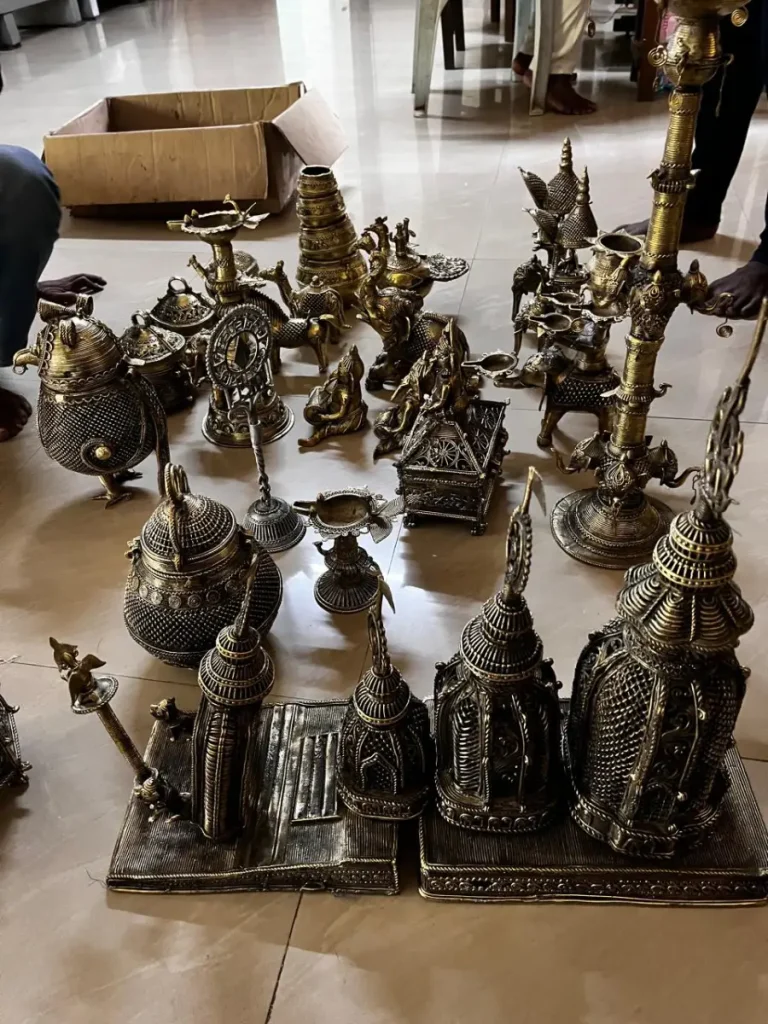
Bomkai weaves from Subarnapur and Berhampur Pata from Ganjam, crafted by non-tribal weavers using their distinctive Bandha/Ikat techniques, are displayed in a separate section. Terracotta and Dokra crafts made by tribal and non-tribal artisans, along with paper-mâché artwork from Puri district, add to the splendour of the museum’s collections.

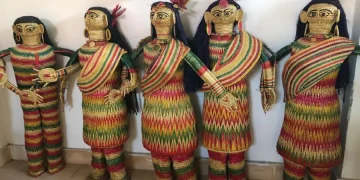
Another textile marvel on display is Kerang, a fabric handwoven by the Gadaba tribal community in the highlands of Koraput district. Gadaba artisans strip the inner bark of the wild Kerang plant, which is then washed, sun-dried, beaten and twisted into threads. These threads are spun using a spindle and rice husk before being woven on ground looms with bamboo rods, horn separators and porcupine bone. Dyed with vegetable colours, Kerang fabric is characterised mainly by vertical stripes of red, white and indigo.

The museum also showcases a variety of other crafts, including Dokra, terracotta, appliqué work, Kaincha (golden grass) and sabai grass crafts, stone sculptures and mukha (masks).

Osakothi paintings from Ganjam district, along with figures and figurines associated with Odisha’s shadow puppetry tradition, add further lustre to the museum’s rich collection.

From Bhil And Gond Paintings To International Art

The museum also showcases art and artefacts from other Indian states. These include paintings by the Bhil and Gond tribal communities of Madhya Pradesh, paintings associated with the Santal community in Chhattisgarh, shadow-puppetry artefacts from Andhra Pradesh, Madhubani paintings from Bihar, Sanjhi art from Uttar Pradesh, miniature paintings from Rajasthan, Warli paintings from Maharashtra and Thangka paintings from Himachal Pradesh.
The Indian Tribal
Dhokra Works
The Indian Tribal
Palm leaf painting in the shape of a fan

Taken together, the collections make the museum a repository of craft and culture, art and artistry, legacy and literature, customs and traditions.

Its international gallery displays exhibits from several countries, including the traditional gyil, a musical instrument associated with communities in Ghana, as well as Korean, Nepali and Vietnamese paintings and Japanese dolls.

The museum also houses Indian tribal musical instruments such as the Dhuduki, Dhol, Changu, Basi and Tumdak. Traditional instruments including the Kendra, Mardala, Mahuri, Veena, Bajra Veena and Sarod are among its prominent exhibits, according to Dipti Ranjan, the museum’s guide.

A Museum Built Through Cultural Passion And Public Support

PFTAM was developed by the cultural non-profit organisation Society for the Development of Rural Literature, based in Jagatsinghpur district. It was inaugurated by former Odisha chief minister Naveen Patnaik in 2017.

Initially, the museum had 16 galleries spread across two blocks, displaying more than 800 artefacts. In 2024, two additional blocks containing 16 galleries were developed with financial assistance under the corporate social responsibility (CSR) initiatives of public sector undertakings Life Insurance Corporation of India and Petronet LNG Limited. Each organisation contributed nearly Rs 50 lakh towards setting up the two additional blocks.

“I am grateful to the Union Ministry of Culture, which provided Rs 3 crore under its Museum Grant Scheme to develop the infrastructure for PFTM. I am also obliged to the State Department of Tourism and Culture, which provided about Rs 50 lakh for the collection of artefacts,” says Prasanna, a retired bureaucrat.

He recalls that he and his team travelled extensively to collect artefacts after work on the museum began in 2011.

“For example, we collected the 200-year-old wooden door bearing Saura motifs from Rajasthan. Similarly, we collected the unexploded mortar fired by Pakistan from Bhatinda, in the south-eastern part of Punjab. We display it in our museum after decorating it as a lamp,” Prasanna adds.

From An Idea In Chennai To A Cultural Showcase

The idea of establishing the museum took shape during Prasanna’s official visit to Chennai in 2007–08, when he was joint secretary in the Union Ministry of Finance in New Delhi.
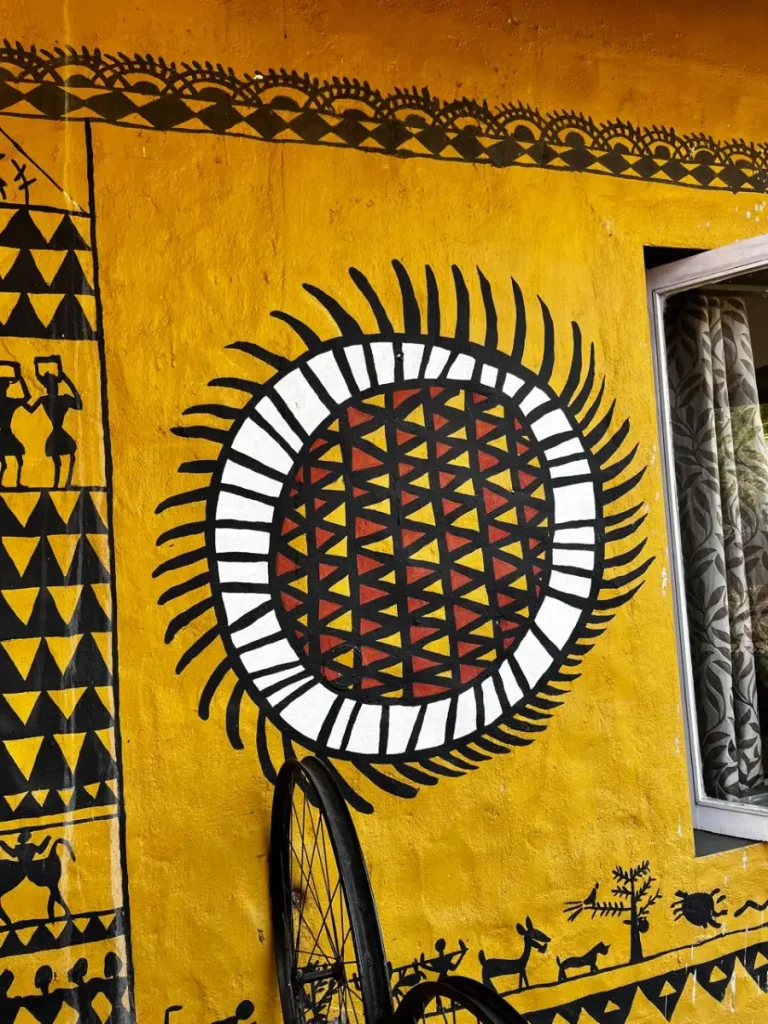
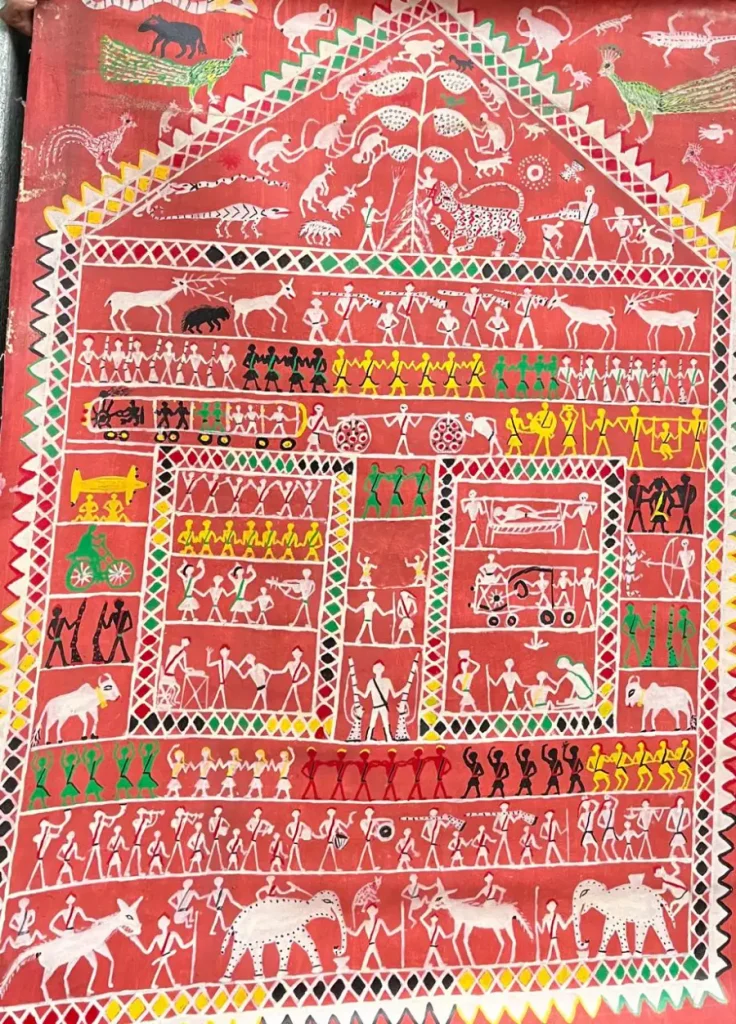
The Indian Tribal
Saura Paintings
The Indian Tribal

During the visit, he explored Dakshina Chitra, a museum that primarily showcases the traditional architecture of Tamil Nadu. The experience inspired him to establish PFTM as a space that would present a microcosm of Odisha’s and India’s wider artistic, cultural and heritage traditions.

Another source of inspiration was the late German scholar Hermann Kulke. While Prasanna was serving as managing editor and Kulke as editor, they compiled contributions from 30 scholars, 29 of them foreigners, for the two-volume publication Imaging Odisha: The Emergence of Cultural Identity of an Indian State.

Kulke encouraged Prasanna to establish the museum after seeing the artistic and architectural photographs collected for the publication.

“We had collected more than 100 pictures for the two volumes from the British Museum and British Library. Impressed by the beauty of Odisha’s art and architecture captured in the pictures, Kulke encouraged me to set up a museum. Thus, the concept of PFTAM took shape,” says Prasanna.

Expanding The Museum’s Reach And Ambitions

Spread across five acres, OAC embodies the richness of Odisha’s and India’s traditions and culture, complemented by an international flavour. Its museum, occupying nearly one acre, offers a miniature panorama of tribal and folk arts and artefacts, says Bhawani Kumar Swain, a teacher from Bhubaneswar.
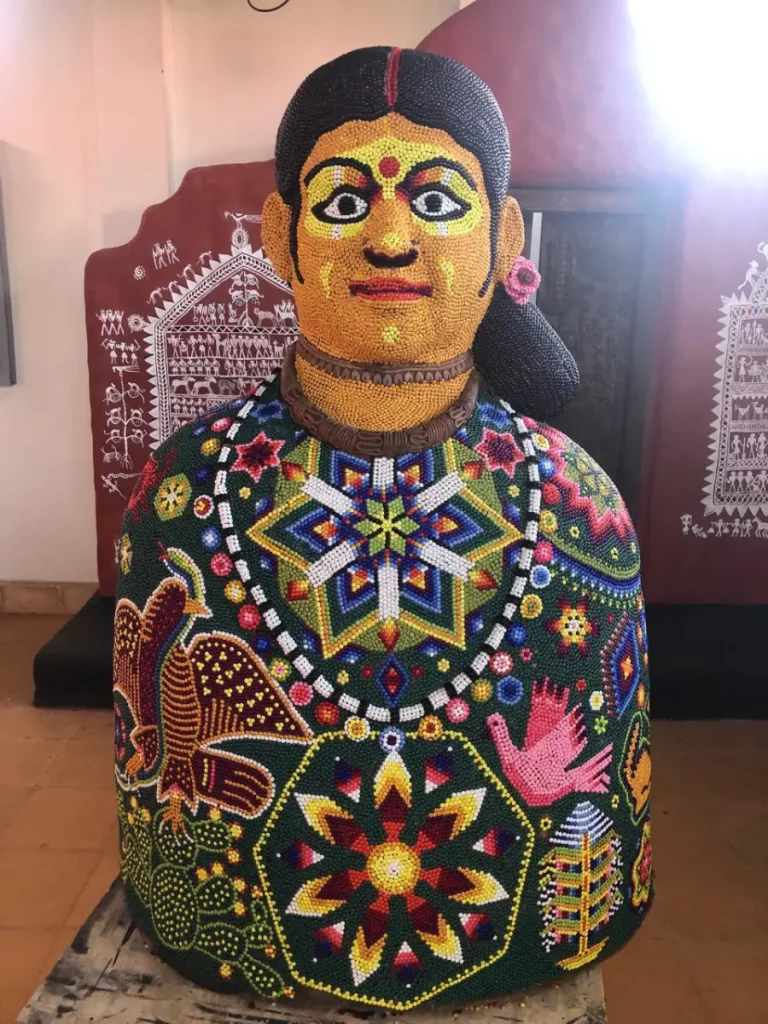
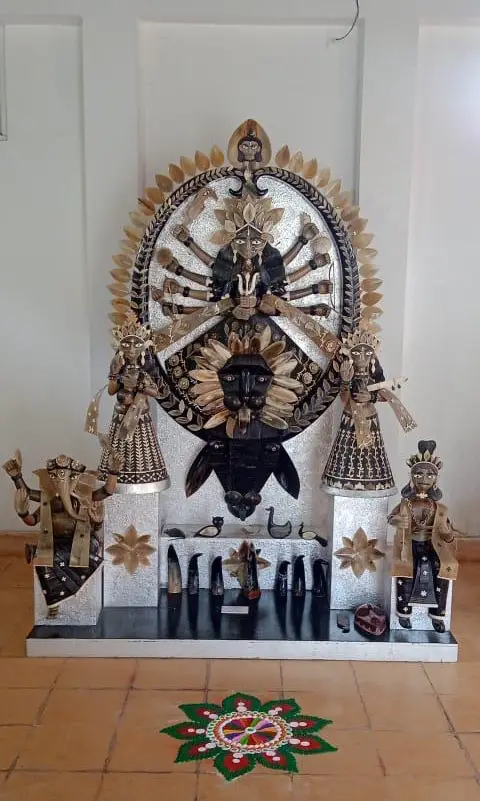
The Indian Tribal
Terracotta and bead work of a tribal lady
The Indian Tribal
The rare horn work of Goddess Durga

Swain, who describes the centre and its museum as a rare combination in India, visited Chilika Lake, OAC and PFTAM with his family last year.

While visitors continue to praise the museum and its collections, Prasanna has ambitious plans to expand and develop it to match the standards of metropolitan museums in the United States.

“We plan to introduce QR (quick-response) codes. We would also invite researchers to explore the history and historical significance of each and every artefact. Sixteen more galleries will be added to expand the museum. We will install a solar power system to keep the museum operational round the clock. Thus, we have a lot to do to upgrade the museum to an international level,” says Prasanna.


Root Woot | Online Puja Samagri Root Woot | Online Puja Samagri Root Woot | Online Puja Samagri

Support Our Mission

The Indian Tribal

For the past four-and-a-half years, we have travelled across India to bring to our readers the ‘Unknown, Lesser-Known Tribal Life’, which rarely finds space in the mainstream media.

We have done this without external funding, driven only by our conviction that India’s tribal heritage deserves to be documented with dignity, depth and authenticity.

If you like our work, and if it has informed, inspired or helped you understand India’s tribal/indigenous communities better, we invite you to become a part of this mission.

Your contribution will not merely fund a news platform. It will help preserve voices, traditions, histories and aspirations that form an invaluable part of India’s identity.

Because when an untold story is documented, a piece of India’s heritage is preserved forever.

Thanks
Editor

In Numbers

49.4 %
Female Literacy rate of Scheduled Tribes

Update

NCST undertakes review in Karnataka

The National Commission for Scheduled Tribes (NCST) on Thursday undertook a comprehensive review of the implementation of constitutional safeguards, welfare measures and development programmes for Scheduled Tribes in Karnataka at a review meeting. The meeting was chaired by Antar Singh Arya, Chairperson, NCST and attended by Jatothu Hussain, Member, Amit Nirmal, Joint Secretary, NCST, senior officers of the Commission, Karnataka’s Chief Secretary, Director General of Police, Additional Chief Secretaries, Principal Secretaries and Secretaries of various departments. The review was undertaken on the basis of a structured and detailed questionnaire circulated by the Commission in advance, the information and data furnished by the Government of Karnataka, grievances and petitions received from members of the Scheduled Tribe communities, feedback received prior to the review meeting, and observations arising from field visits previously undertaken by the Commission in Karnataka.
The Indian Tribal
Adivasi

The Story Of Tana Bhagats  Hidden Between Colonial Records And Tribal Memory

by The Indian Tribal
September 29, 2026

Colonial records captured only fragments of a movement that travelled through villages, markets and community networks. A closer historical reading raises questions about whose voices were preserved and whose experiences were left outside the narrative, Amit Kumar avers. Part-2

The Indian Tribal

Tana Bhagat Movement: How A Tribal Resistance Challenged Colonial Rule And Social Hierarchies

September 28, 2026
The Indian Tribal

How Tribal Haats In Odisha Are Being Used to Improve Nutrition

September 24, 2026
The Indian Tribal

Karma Puja Across India: How Oraon, Munda, Santal, Ho, Kharia And Other Communities Keep The Tradition Alive

September 22, 2026
The Indian Tribal

Karam Parab: The Sacred Tree, Two Brothers And A Festival Connecting Forest, Farm, Community

September 20, 2026
The Indian Tribal

Tiger Conservation In India: How Tribal Displacement And Tourism Are Reshaping The Debate

September 17, 2026
Previous Post

Tana Bhagat Movement, Gandhi And Congress: The Nationalist Story Behind The History

Top Stories

The Indian Tribal
Adivasi

Tana Bhagat Movement, Gandhi And Congress: The Nationalist Story Behind The History

September 30, 2026
The Indian Tribal
Adivasi

The Story Of Tana Bhagats  Hidden Between Colonial Records And Tribal Memory

September 29, 2026
The Indian Tribal
Adivasi

Tana Bhagat Movement: How A Tribal Resistance Challenged Colonial Rule And Social Hierarchies

September 28, 2026
Load More
  • About Us
  • Editor & Writers
  • Contact
  • Redressal
  • Copyright Policy
  • Privacy Policy And Terms Of Use
  • Disclaimer
  • Sitemap

  • Achievers
  • Cuisine
  • Health
  • India
  • News
  • Legal
  • Music
  • Sports
  • Trending
  • Chhattisgarh
  • Delhi
  • Gujarat
  • Jammu & Kashmir
  • Jharkhand
  • Kerala
  • Madhya Pradesh
  • Maharashtra
  • North East
  • Arunachal Pradesh
  • Assam
  • Manipur
  • Meghalaya
  • Mizoram
  • Nagaland
  • Sikkim
  • Tripura
  • Odisha
  • Telangana
  • West Bengal
  • Political News
  • Variety
  • Art & Culture
  • Entertainment
  • Adivasi
  • Tribal News
  • Scheduled Tribes
  • हिंदी
  • उपलब्धिकर्ता
  • कानूनी
  • खान पान
  • खेलकूद
  • स्वास्थ्य
  • संस्कृति
  • संगीत
  • विविध
  • कला और संस्कृति
  • खबरें
  • असम
  • अरुणाचल प्रदेश की ताज़ा ख़बरें
  • ओडिशा
  • केरल
  • गुजरात
  • छत्तीसगढ़
  • जम्मू और कश्मीर
  • झारखंड
  • तेलंगाना
  • दिल्ली
  • नॉर्थईस्ट
  • पश्चिम बंगाल
  • मध्य प्रदेश
  • महाराष्ट्र
  • त्रिपुरा
  • नागालैंड
  • मणिपुर
  • मिजोरम की ताज़ा ख़बरें
  • मेघालय
  • सिक्किम की ताज़ा ख़बरें
  • राजस्थान

About Us

The Indian Tribal is India’s first bilingual (English & Hindi) digital journalistic venture dedicated exclusively to the Scheduled Tribes. The ambitious, game-changer initiative is brought to you by Madtri Ventures Pvt Ltd (www.madtri.com). From the North East to Gujarat, from Kerala to Jammu and Kashmir — our seasoned journalists bring to the fore life stories from the backyards of the tribal, indigenous communities comprising 10.45 crore members and constituting 8.6 percent of India’s population as per Census 2011. Unsung Adivasi achievers, their lip-smacking cuisines, ancient medicinal systems, centuries-old unique games and sports, ageless arts and crafts, timeless music and traditional musical instruments, we cover the Scheduled Tribes community like never-before, of course, without losing sight of the ailments, shortcomings and negatives like domestic abuse, alcoholism and malnourishment among others plaguing them. Know the unknown, lesser-known tribal life as we bring reader-engaging stories of Adivasis of India.

Follow Us

All Rights Reserved

© 2026 Madtri Ventures [P] Ltd.

No Result
View All Result
  • Home
  • Achievers
  • Cuisine
  • Health
  • Health
  • Legal
  • Music
  • News
  • Sports
  • Variety
  • हिंदी
    • उपलब्धिकर्ता
    • खान पान
    • कानूनी
    • खेलकूद
    • खेलकूद
    • संगीत
    • संगीत
    • स्वास्थ्य
    • स्वास्थ्य
    • विविध
  • Gallery
  • Videos

© 2026 Madtri Ventures [P] Ltd.