






New Delhi
For almost 80 years since India gained its independence, the history of its indigenous groups, traditionally referred to as Adivasis, has been defined by alienation from the mainstream, displacement and continuous disenfranchisement. The primary focus of the state was, thus, to protect the survival of tribal communities through reservations, tribal sub-plans and protective laws concerning land ownership and possession. Even though this strategy helped to some extent, it did not resolve the underlying structural problems that prevented tribal communities from integrating economically, pursuing social mobility or gaining political influence.
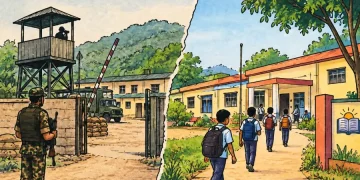
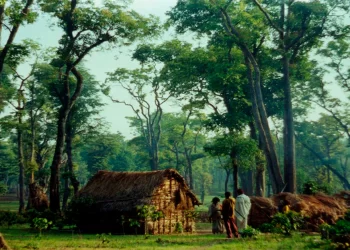
This long period of developmental neglect inevitably led to the emergence of a huge institutional void in the country’s forested heartland. Geographic isolation and the lack of civic facilities such as healthcare, banking, economic market systems and other institutions of modernity turned these isolated regions into centres of civil unrest and instability. The estrangement of the local populace, compounded by exploitation by middlemen in regions lacking an effective presence of state structures, turned this fertile ground into hotbeds of Left-Wing Extremism, popularly known as Naxalism. The long periods of armed conflict in these regions primarily made the issue a security challenge for the nation.
Human Development Deficit
The real price of such isolation can be seen through human development indicators. The Human Development Index (HDI), Multidimensional Poverty Index and other related human development indicators of India’s tribal communities have historically been far below the average.
This is indicative of the very poor literacy levels in these communities, as over half of their population remained illiterate. As per the National Family Health Surveys (NFHS) among STs, the Infant Mortality Rate has declined from 62.1 in 2005-06 to 41.6 in 2019-21, while institutional deliveries have increased from 17.7% in 2005-06 to 82.3% in 2019-21, and the immunisation rate among children aged 12-23 months has increased from 31.3% in 2005-06 to 76.8% in 2019-21.
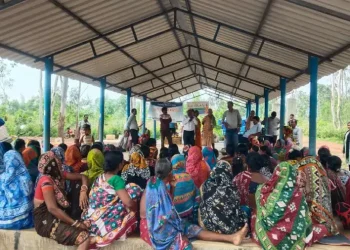
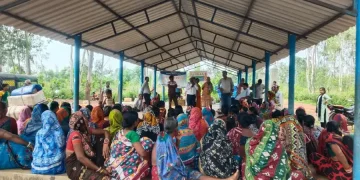
Recognising that top-down administrative directives were failing to bridge this massive trust deficit, a paradigm shift slowly began at the grassroots level. Numerous civil society groups and socio-cultural agencies undertook a quiet, decades-long process of deep community outreach. Rejecting distant bureaucratic frameworks, these social workers lived side by side with tribal populations in secluded forest villages. By focusing entirely on localised education, decentralised community healthcare, vocational training and the meticulous preservation of indigenous cultural identities, these groups successfully built the foundational bridges of trust necessary to connect isolated populations with formal national institutions.
Foundations Of Educational Self-Reliance
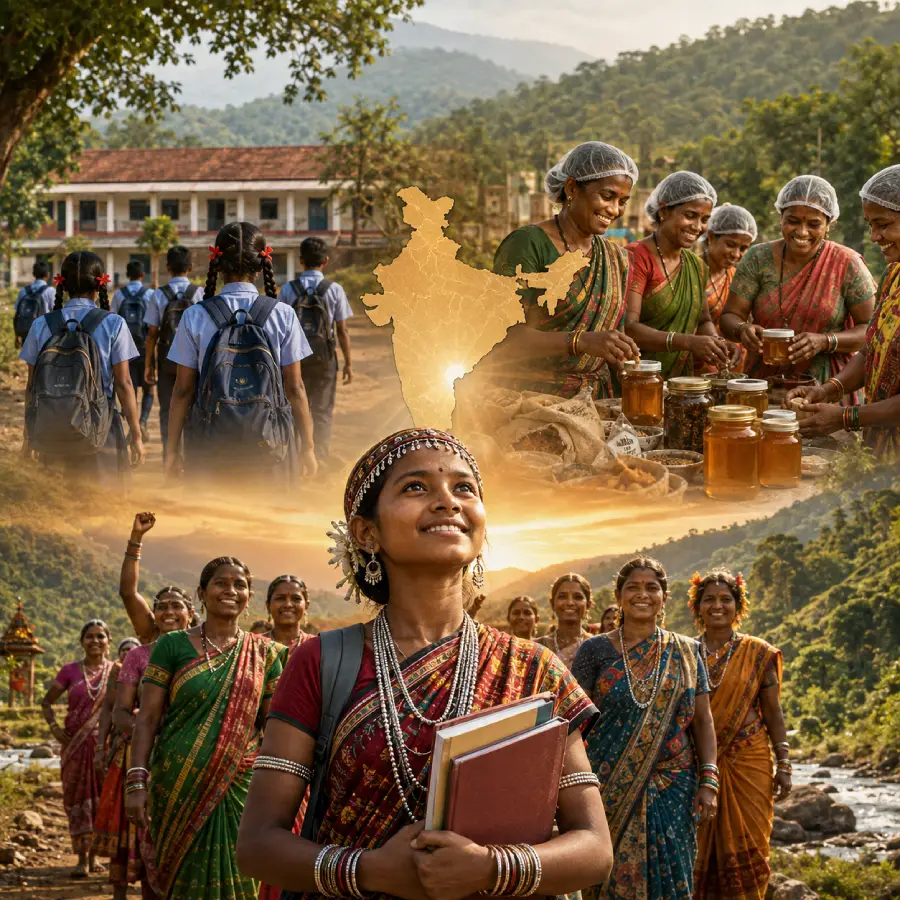
The core philosophy of this shift was straightforward: high-quality, modern education became the most sustainable vehicle for breaking away from intergenerational poverty and driving socio-economic mobility. To aggressively address the complete lack of secondary educational infrastructure in deeply forested zones, the Indian government launched the network of Eklavya Model Residential Schools (EMRS).
The main objective was to provide educational facilities in blocks where the majority of the population comprised tribal communities. More than 1.23 lakh tribal students joined EMRS, which aims to provide education from the middle level to the secondary level, along with training in sports, computer science and vocational training, in order to develop a generation of tribal students who can pursue higher education and build stable careers for themselves. A total of 700 schools have been sanctioned, of which 405 are operational across the country. In the fiscal year 2026-27, the budget has been increased substantially to Rs 7,150.01 crore. The tribal literacy rate has increased to 71.6% in 2021.
Revamping The Forest Economy
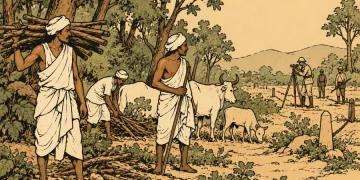
Alongside educational reforms, there was a massive restructuring of the policies concerning the economic lives of tribal communities. For years, people living in forest regions relied on minor forest products such as honey, mahua, tamarind and herbs for their basic necessities. But, being deprived of any means of direct selling, processing units and fair pricing, the gatherers were usually forced to sell the raw products to greedy middlemen at a much lower price than their actual market value. In order to reverse this trend from within, the Tribal Cooperative Marketing Development Federation of India had to be revamped to transform tribal communities into entrepreneurs.
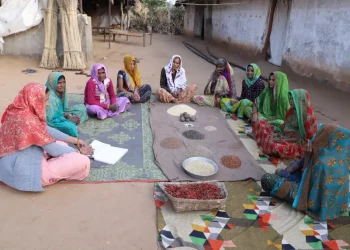
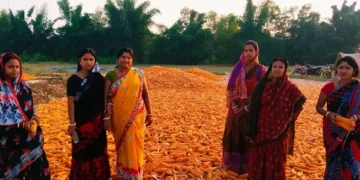
What made this transformation possible was the launch of the Van Dhan Vikas Yojana, under which around 1,200 VDV Kendras were established in 2018. This scheme aimed to foster communities of forest-based micro-enterprises. Under this model, 15 self-help groups of tribal people residing in forest areas were formed into VDV Kendra clusters. At each Kendra, more than 300 beneficiaries are processing and marketing minor forest products. Rather than selling raw forest produce in its crude form at distressed prices, these groups were provided with state-funded assistance to sort, add value to and package their products in hygienic conditions.
Simple yet significant measures, such as converting crude tamarind into paste and raw honey into consumer products, added considerably to their profitability. Along with MSP coverage for forest produce and marketing under a national brand identity in international markets, this helped ensure that the economic benefits returned to the original guardians of the forests.
The historical development of tribal regions in India shows that true empowerment is not possible through isolation and handouts, but through capacity-building. By replacing old paternalistic systems with education-related institutions such as Eklavya Schools and market-based systems such as Van Dhan Kendras, the Government of India has managed to change the fundamental socio-economic indicators of some of the most underprivileged communities in the country.
However, economic self-reliance is merely the first step of this historic transition. These foundational achievements have done far more than lift rural incomes; they have systematically rewritten the security paradigms of long-standing conflict zones and permanently dismantled the highest political glass ceilings in the nation.
In the second and concluding part of this series, I will examine how these grassroots economic models successfully neutralised insurgencies in tribal regions like Bastar, and look closely at the historic elevation of indigenous leadership to the absolute apex of India’s constitutional governance.
(The writer is a political analyst and a Post Graduate Member of the Royal Historical Society, London. Views expressed are personal.) Part-2 to continue…