






Ranchi
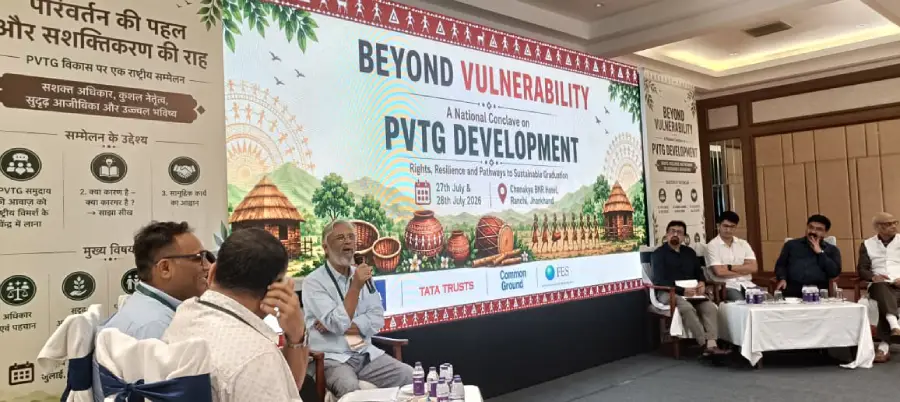
Arguing that decades of welfare programmes have not delivered the desired transformation for the Pahariya community, representatives of the Particularly Vulnerable Tribal Group (PVTG), civil society organisations and development practitioners on Monday called for a shift from welfare-driven interventions to community-led planning and leadership.
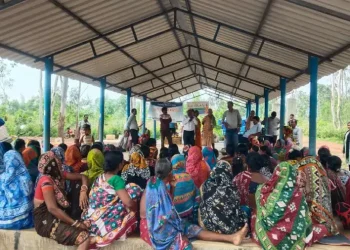
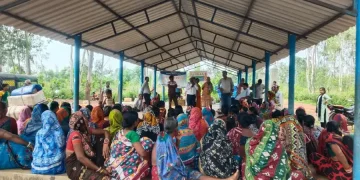
The demand was made at their two-day national conference in Ranchi, where over 150 representatives from Jharkhand, Bihar, West Bengal and Odisha gathered to discuss the future of the Pahariya community and prepare a five-year development roadmap.
Inaugurating the conference, 4S India directors Veer Sahana and Mihir Sahana said governments and several institutions have been working for decades to improve the living conditions of the Pahariya community through programmes covering housing, education, healthcare and livelihoods. However, they said the expected changes remain largely absent at the grassroots.
“Until the community itself leads the planning process and takes ownership of development, progress cannot be sustainable. The objective of this deliberation is to bring the PVTG community to the policy-making table,” Sahana said.
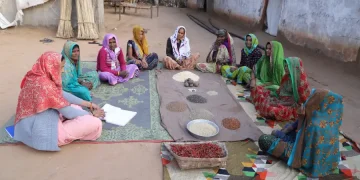
The conference has brought together representatives from more than 20 organisations along with Pahariya youth, women belonging to self-help groups, elected panchayat representatives and grassroots social workers from four eastern states.
Over the next two days, participants will deliberate on key issues affecting the community, including land rights, forests, education, healthcare, migration and sustainable livelihoods. Organisers said the consultations would culminate in a comprehensive five-year roadmap prepared jointly with the community.
The conference has identified four priority areas for action. These include strengthening awareness of constitutional and legal rights under the Forest Rights Act, the Panchayats (Extension to Scheduled Areas) Act (PESA) and various government welfare schemes; nurturing leadership among Pahariya youth and women; promoting sustainable livelihood opportunities through agriculture, minor forest produce, livestock and handicrafts; and improving education and nutrition to enhance opportunities for the next generation.
The organisers said the recommendations emerging from the conference would be compiled into a policy document and submitted to governments and relevant departments to help shape future interventions for the community.
Representatives of the Pahariya community attending the event said it was the first time they had been provided such a large platform to articulate their concerns collectively. They expressed hope that the consultation would lead to tangible improvements rather than remaining another policy exercise.
Senior officials from Tata Trusts, the Foundation for Ecological Security (FES) and Gammon Ground were also present during the programme.
Pahariyas In Jharkhand And India
The Pahariyas are among India’s 75 Particularly Vulnerable Tribal Groups (PVTGs) and are primarily concentrated in the Rajmahal Hills of Jharkhand’s Santhal Pargana region, especially in Sahibganj, Pakur, Godda and Dumka districts. Historically known for their resistance to colonial expansion, the community continues to face multiple development challenges, including low literacy, poor health indicators, land insecurity, malnutrition and limited access to public services.
While successive governments have introduced targeted schemes for PVTGs under both the Union Ministry of Tribal Affairs and state governments, experts have repeatedly pointed out that remote habitation, weak institutional outreach and inadequate community participation have limited their impact. The issues raised at the Ranchi conference echo broader concerns surrounding PVTGs across India, where policy implementation often struggles to bridge the gap between welfare schemes and measurable improvements in quality of life.
Policy Implications
The conference reflects a growing shift in tribal development discourse from top-down welfare delivery towards participatory governance, where indigenous communities play a direct role in planning, monitoring and evaluating programmes. If accepted by governments, the proposed roadmap could influence future interventions targeting PVTGs by placing greater emphasis on community institutions, local leadership and rights-based development.
At the same time, whether the recommendations translate into policy or budgetary action remains to be seen. Organisers have not specified a timeline for submitting the roadmap or indicated whether any government departments have committed to adopting its recommendations.