

• About
  • Editor & Writers
  • Contact
  • Sitemap
No Result
View All Result
Support Our Mission
Tuesday, July 21, 2026
The Indian Tribal
  • Home
  • Achievers
    • उपलब्धिकर्ता
  • Cuisine
    • खान पान
  • Health
    • स्वास्थ्य
  • Legal
    • कानूनी
  • Music
    • संगीत
  • News
    • Updates
    • खबरें
  • Sports
    • खेलकूद
  • Variety
    • विविध
  • हिंदी
    • All
    • आदिवासी
    • उपलब्धिकर्ता
    • कला और संस्कृति
    • कानूनी
    • खबरें
    • खान पान
    • खेलकूद
    • जनजाति
    • भारत
    • विविध
    • संगीत
    • संस्कृति
    • स्वास्थ्य
    The Indian Tribal

    ओडिशा के आदिवासी किसान की देशी धान की विलुप्त होती किस्मों को बचाने का मिशन

    The Indian Tribal

    उत्तर बंगाल के चाय बागानों का संकट: जलवायु परिवर्तन, पलायन और महिलाओं की असुरक्षा का बढ़ता दुष्चक्र

    The Indian Tribal

    सिदो-कान्हू ने परिणाम की चिंता किये बगैर शोषण के विरुद्ध मोर्चा खोला था: मुख्यमंत्री हेमन्त सोरेन

    The Indian Tribal

    सरना से कोया पुनेम तक: जनगणना 2027 में अलग आदिवासी धर्म श्रेणी की मांग क्यों तेज हुई?

    The Indian Tribal

    किन्नौर की जनजातीय राजनीति में उभरी नई पर्यावरणीय आवाज, युवा नेतृत्व ने बदली विकास की बहस

    The Indian Tribal

    झारखण्ड के 11 नए उत्पादों को मिला जीआई टैग, राष्ट्रीय और वैश्विक बाजार में बढ़ेगी पहचान

    The Indian Tribal

    युवाओं को नशे की गिरफ्त से बचाना सर्वोच्च प्राथमिकता: मुख्यमंत्री हेमन्त सोरेन

    The Indian Tribal

    मध्य प्रदेश के सहरिया आदिवासियों ने भूख से लड़ने के लिए अपनाए पारंपरिक तरीके

  • Gallery
    • Videos
  • Latest News
The Indian Tribal
  • Home
  • Achievers
    • उपलब्धिकर्ता
  • Cuisine
    • खान पान
  • Health
    • स्वास्थ्य
  • Legal
    • कानूनी
  • Music
    • संगीत
  • News
    • Updates
    • खबरें
  • Sports
    • खेलकूद
  • Variety
    • विविध
  • हिंदी
    • All
    • आदिवासी
    • उपलब्धिकर्ता
    • कला और संस्कृति
    • कानूनी
    • खबरें
    • खान पान
    • खेलकूद
    • जनजाति
    • भारत
    • विविध
    • संगीत
    • संस्कृति
    • स्वास्थ्य
    The Indian Tribal

    ओडिशा के आदिवासी किसान की देशी धान की विलुप्त होती किस्मों को बचाने का मिशन

    The Indian Tribal

    उत्तर बंगाल के चाय बागानों का संकट: जलवायु परिवर्तन, पलायन और महिलाओं की असुरक्षा का बढ़ता दुष्चक्र

    The Indian Tribal

    सिदो-कान्हू ने परिणाम की चिंता किये बगैर शोषण के विरुद्ध मोर्चा खोला था: मुख्यमंत्री हेमन्त सोरेन

    The Indian Tribal

    सरना से कोया पुनेम तक: जनगणना 2027 में अलग आदिवासी धर्म श्रेणी की मांग क्यों तेज हुई?

    The Indian Tribal

    किन्नौर की जनजातीय राजनीति में उभरी नई पर्यावरणीय आवाज, युवा नेतृत्व ने बदली विकास की बहस

    The Indian Tribal

    झारखण्ड के 11 नए उत्पादों को मिला जीआई टैग, राष्ट्रीय और वैश्विक बाजार में बढ़ेगी पहचान

    The Indian Tribal

    युवाओं को नशे की गिरफ्त से बचाना सर्वोच्च प्राथमिकता: मुख्यमंत्री हेमन्त सोरेन

    The Indian Tribal

    मध्य प्रदेश के सहरिया आदिवासियों ने भूख से लड़ने के लिए अपनाए पारंपरिक तरीके

  • Gallery
    • Videos
  • Latest News
No Result
View All Result
The Indian Tribal
No Result
View All Result
  • Home
  • Achievers
  • Cuisine
  • Health
  • Legal
  • Music
  • News
  • Sports
  • Variety
  • हिंदी
  • Gallery
  • Latest News
Support Our Mission
Home » The Indian Tribal / News » Jharkhand Waives 75% Attendance Rule For Students With Sickle Cell Disease, Thalassaemia, Chronic Illnesses

Jharkhand Waives 75% Attendance Rule For Students With Sickle Cell Disease, Thalassaemia, Chronic Illnesses

State clears Standard Operating Procedure (SOP) to ensure children with life-long illnesses and disabilities are not denied board examinations because of prolonged medical absence. The Indian Tribal reports

July 21, 2026
The Indian Tribal

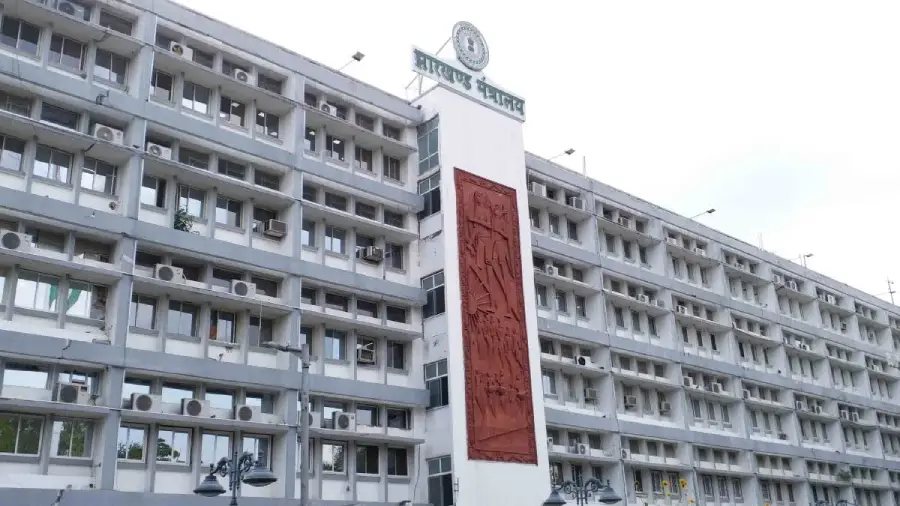
Jharkhand Mantralaya

Ranchi

In a significant step towards making school education more inclusive, the Jharkhand Cabinet on Tuesday approved a Standard Operating Procedure (SoP) exempting students suffering from sickle cell disease, thalassaemia, haemophilia, Type-1 diabetes, specified non-communicable diseases (NCDs) and children with disabilities (Divyang students) from the mandatory 75% attendance requirement for appearing in board examinations.

The decision acknowledges that students living with chronic illnesses often miss classes due to prolonged treatment, repeated hospitalisation, blood transfusions, medical emergencies and regular clinical follow-ups, circumstances beyond their control. Until now, many such students faced the risk of losing an academic year despite being academically capable because they failed to meet the attendance threshold prescribed by schools and examination boards.

The newly approved SoP seeks to ensure that illness does not become a barrier to education and that students are assessed on their academic preparedness rather than the number of days they could physically attend school.

What the SOP provides

The SOP and educational guidelines under the National Sickle Cell Anaemia Elimination Mission mandate that schools provide extensive attendance relief, flexible evaluations, and physical accommodations for students suffering from SCD. This is because students with SCD miss an average of 20 to 40 school days per year due to unpredictable painful crises and medical treatments, official protocols ensure their academic progress is not penalized.

The SOP lays down a uniform mechanism under which eligible students can obtain exemption from the 75% attendance requirement. Students diagnosed with notified diseases—including SCD, thalassaemia, haemophilia, Type-1 diabetes and other specified non-communicable diseases—as well as children with benchmark disabilities will be able to seek attendance relaxation by producing prescribed medical documents issued by authorised government or recognised medical institutions.

The SOP is expected to standardise the process across schools by defining eligibility, documentation requirements, medical certification, verification procedures and the competent authority responsible for granting the exemption, thereby reducing ambiguity and ensuring uniform implementation across the state.

Why the Cabinet took the decision

  • Children suffering from these conditions frequently require lifelong treatment rather than short-term care.
  • A child with thalassaemia major may require blood transfusions every two to four weeks throughout life.
  • A student with haemophilia can suffer sudden bleeding episodes that require immediate medical intervention.
  • Type-1 diabetes demands lifelong insulin therapy, frequent monitoring of blood glucose and periodic hospital visits.
  • Children living with SCD often experience painful vaso-occlusive crises, severe anaemia, recurrent infections and repeated hospital admissions.

These prolonged medical absences often make it impossible for students to achieve 75% classroom attendance even though they continue studying at home or during treatment. The Cabinet recognised that rigid attendance norms were unintentionally penalising students for medical conditions beyond their control.

The exemption aims to prevent deserving students from losing an academic year solely because of illness.

How the decision will help

Education experts believe the move will have multiple long-term benefits. It will reduce school dropouts among such affected children, minimise psychological stress on families, improve continuity in education and enable students to compete equally in board examinations.

The policy is also expected to encourage parents to continue their children’s education instead of withdrawing them from school because of recurring illness. It strengthens the constitutional promise of equal educational opportunity while aligning school administration with principles of inclusive education.

For tribal and rural families, where access to specialised healthcare often requires travelling long distances, the decision is expected to be particularly significant.

Sickle Cell Disease In India And Jharkhand

SCD is an inherited disorder caused by abnormal haemoglobin that deforms red blood cells into a sickle shape, reducing oxygen supply and damaging multiple organs.
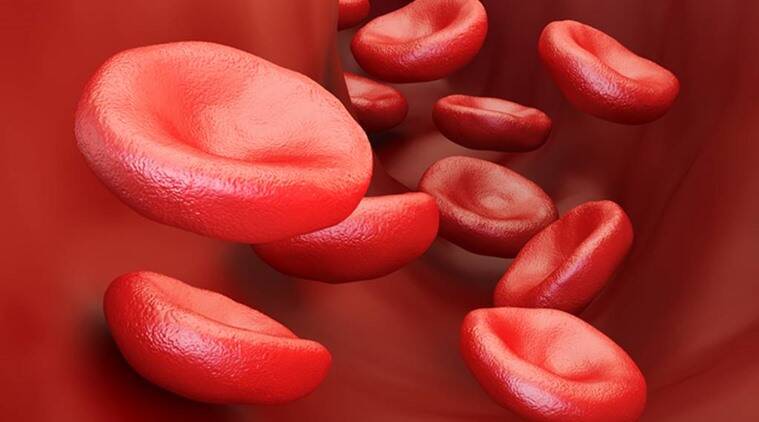
Sickle Cells
Sickle Cells (representational)

India is estimated to have around 2 crore million people carrying the sickle cell trait, while about 1 to 1.5 lakh people live with sickle cell disease. The disease is concentrated primarily among Scheduled Tribe populations across Madhya Pradesh, Chhattisgarh, Maharashtra, Gujarat, Odisha, Jharkhand, Rajasthan, Telangana and Andhra Pradesh, although it also occurs in some Scheduled Caste and Other Backward Class communities.

In Jharkhand, the disease is reported among several tribal groups, particularly in districts with substantial tribal populations. While statewide prevalence varies across communities and districts, health authorities have increasingly expanded screening programmes to identify carriers and affected individuals at an early stage.

Recognising the scale of the problem, the Union Government launched the National Sickle Cell Anaemia Elimination Mission in July 2023 with the goal of eliminating sickle cell disease as a public health problem by 2047. The mission aims to screen nearly 7 crore people aged 0-40 years in affected tribal-dominated areas, issue digital health cards, provide counselling, promote early diagnosis and strengthen treatment and follow-up services.

Thalassaemia in India

Thalassaemia is another inherited blood disorder that requires lifelong medical management.

India records an estimated 10,000 to 15,000 children born with thalassaemia major every year, while 35 to 45 million Indians are estimated to be carriers (approximately 3-4% of the population). Patients with severe forms usually require regular blood transfusions every few weeks and iron-chelation therapy to prevent iron overload.

Frequent hospital visits often interfere with schooling, making attendance-based eligibility particularly difficult for affected children.

Type-1 Diabetes in India

Type-1 diabetes is an autoimmune disorder in which the pancreas produces little or no insulin.

India has one of the world’s largest populations of children and adolescents living with Type-1 diabetes. According to the International Diabetes Federation (IDF) Diabetes Atlas, more than 2.2 lakh children and adolescents (0-19 years) in India live with Type-1 diabetes.

The condition requires lifelong insulin administration, continuous monitoring of blood glucose levels and emergency care during episodes of severe hypoglycaemia or diabetic ketoacidosis, often resulting in unavoidable absence from school.

Non-Communicable Diseases

Non-communicable diseases (NCDs) are generally associated with adulthood, but a growing number of children are living with chronic illnesses requiring long-term medical care.

Besides diabetes, these include chronic kidney disease, epilepsy, congenital heart disease, cancer, haemophilia and several rare disorders. Such conditions often involve repeated hospitalisation, rehabilitation, surgery and prolonged treatment schedules that interrupt regular schooling.

Support Our Mission

The Indian Tribal

For the past four-and-a-half years, we have travelled across India to bring to our readers the ‘Unknown, Lesser-Known Tribal Life’, which rarely finds space in the mainstream media.

We have done this without external funding, driven only by our conviction that India’s tribal heritage deserves to be documented with dignity, depth and authenticity.

If you like our work, and if it has informed, inspired or helped you understand India’s tribal/indigenous communities better, we invite you to become a part of this mission.

Your contribution will not merely fund a news platform. It will help preserve voices, traditions, histories and aspirations that form an invaluable part of India’s identity.

Because when an untold story is documented, a piece of India’s heritage is preserved forever.

Thanks
Editor

Root Woot | Online Puja Samagri Root Woot | Online Puja Samagri Root Woot | Online Puja Samagri

In Numbers

49.4 %
Female Literacy rate of Scheduled Tribes

Update

Tribal quartet from Jharkhand in Asian Games hockey squad

Hockey India has announced the 20-member Indian women's hockey team for the 20th Asian Games, scheduled to be held in Japan from September 19 to October 4. Four tribal players from Jharkhand—captain Salima Tete, Nikki Pradhan, Beauty Dungdung, and Deepika Soreng, have earned their place in the national squad. While all four have previously represented India at the international level, this will be the first Asian Games appearance for Beauty Dungdung and Deepika Soreng, marking a significant milestone in their careers. Midfielder Salima Tete, who will lead the Indian side, has played more than 150 international matches and has been captaining the team for the past two years. Veteran defender Nikki Pradhan, with over 200 international appearances, continues to be a key pillar of India's defensive unit.
The Indian Tribal
Achievers

Teejan Bai Changed More Than Pandavani, She Redefined India’s Folk Imagination

by The Indian Tribal
July 11, 2026

In remembering Teejan Bai, it is easy to reach for the obvious words: legend, icon, pioneer. All are true. But none quite capture the full force of what she did to Pandavani, and what Pandavani did through her, writes Shweta Singh. PART-1

The Indian Tribal

Decade-Long Endeavour Of This Tribal Farmer Helps Conserve Over 100 Indigenous Paddy Varieties

July 4, 2026
The Indian Tribal

उत्तर बंगाल के चाय बागानों का संकट: जलवायु परिवर्तन, पलायन और महिलाओं की असुरक्षा का बढ़ता दुष्चक्र

July 2, 2026
The Indian Tribal

सिदो-कान्हू ने परिणाम की चिंता किये बगैर शोषण के विरुद्ध मोर्चा खोला था: मुख्यमंत्री हेमन्त सोरेन

June 30, 2026
The Indian Tribal

In Palamau Tiger Reserve In Jharkhand, Tribal Traditions Strengthen Big Cat Conservation

June 28, 2026
The Indian Tribal

सरना से कोया पुनेम तक: जनगणना 2027 में अलग आदिवासी धर्म श्रेणी की मांग क्यों तेज हुई?

June 25, 2026
Previous Post

Maharashtra Sets Up Panel To Examine If Tribals Who Convert Should Receive Associated Benefits

Top Stories

The Indian Tribal
Adivasi

Maharashtra Sets Up Panel To Examine If Tribals Who Convert Should Receive Associated Benefits

July 20, 2026
The Indian Tribal
Adivasi

Police Forcibly End Tribals’ Protest Against Ken-Betwa Link Project In Madhya Pradesh

July 19, 2026
The Indian Tribal
आदिवासी

ओडिशा के आदिवासी किसान की देशी धान की विलुप्त होती किस्मों को बचाने का मिशन

July 17, 2026
Load More
  • About Us
  • Editor & Writers
  • Contact
  • Redressal
  • Copyright Policy
  • Privacy Policy And Terms Of Use
  • Disclaimer
  • Sitemap

  • Achievers
  • Cuisine
  • Health
  • Hindi Featured
  • India
  • News
  • Legal
  • Music
  • Sports
  • Trending
  • Chhattisgarh
  • Delhi
  • Gujarat
  • Jammu & Kashmir
  • Jharkhand
  • Kerala
  • Madhya Pradesh
  • Maharashtra
  • North East
  • Arunachal Pradesh
  • Assam
  • Manipur
  • Meghalaya
  • Mizoram
  • Nagaland
  • Sikkim
  • Tripura
  • Odisha
  • Telangana
  • West Bengal
  • Political News
  • Variety
  • Art & Culture
  • Entertainment
  • Adivasi
  • Tribal News
  • Scheduled Tribes
  • हिंदी
  • उपलब्धिकर्ता
  • कानूनी
  • खान पान
  • खेलकूद
  • स्वास्थ्य
  • संस्कृति
  • संगीत
  • विविध
  • कला और संस्कृति
  • खबरें
  • असम की ताज़ा ख़बरें
  • अरुणाचल प्रदेश की ताज़ा ख़बरें
  • ओडिशा की ताज़ा ख़बरें
  • केरल की ताज़ा ख़बरें
  • गुजरात की ताज़ा ख़बरें
  • छत्तीसगढ़
  • जम्मू और कश्मीर की ताज़ा ख़बरें
  • झारखंड न्यूज़
  • तेलंगाना की ताज़ा ख़बरें
  • दिल्ली
  • नॉर्थईस्ट की ताज़ा ख़बरें
  • पश्चिम बंगाल की ताज़ा ख़बरें
  • मध्य प्रदेश की ताज़ा ख़बरें
  • महाराष्ट्र की ताज़ा ख़बरें
  • त्रिपुरा की ताज़ा ख़बरें
  • नागालैंड की ताज़ा ख़बरें
  • मणिपुर की ताज़ा ख़बरें
  • मिजोरम की ताज़ा ख़बरें
  • मेघालय की ताज़ा ख़बरें
  • सिक्किम की ताज़ा ख़बरें
  • राजस्थान की ताज़ा ख़बरें

About Us

The Indian Tribal is India’s first bilingual (English & Hindi) digital journalistic venture dedicated exclusively to the Scheduled Tribes. The ambitious, game-changer initiative is brought to you by Madtri Ventures Pvt Ltd (www.madtri.com). From the North East to Gujarat, from Kerala to Jammu and Kashmir — our seasoned journalists bring to the fore life stories from the backyards of the tribal, indigenous communities comprising 10.45 crore members and constituting 8.6 percent of India’s population as per Census 2011. Unsung Adivasi achievers, their lip-smacking cuisines, ancient medicinal systems, centuries-old unique games and sports, ageless arts and crafts, timeless music and traditional musical instruments, we cover the Scheduled Tribes community like never-before, of course, without losing sight of the ailments, shortcomings and negatives like domestic abuse, alcoholism and malnourishment among others plaguing them. Know the unknown, lesser-known tribal life as we bring reader-engaging stories of Adivasis of India.

Follow Us

All Rights Reserved

© 2026 Madtri Ventures [P] Ltd.

No Result
View All Result
  • Home
  • Achievers
  • Cuisine
  • Health
  • Health
  • Legal
  • Music
  • News
  • Sports
  • Variety
  • हिंदी
    • उपलब्धिकर्ता
    • खान पान
    • कानूनी
    • खेलकूद
    • खेलकूद
    • संगीत
    • संगीत
    • स्वास्थ्य
    • स्वास्थ्य
    • विविध
  • Gallery
  • Videos

© 2026 Madtri Ventures [P] Ltd.