

Mayurbhanj/New Delhi
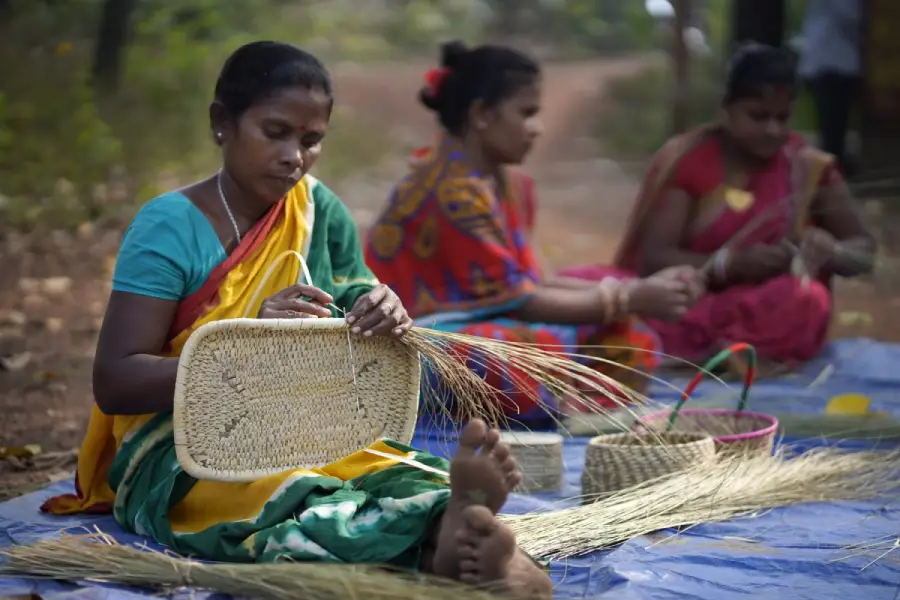
In her mid-20s, Santhali woman Chuni Hansda looks forward to her training sessions at Bhatchhatar, a village dominated by her community in Odisha’s Mayurbhanj district, once an erstwhile princely State that joined India on January, 1949.
Apart from Chuni, around 20 women in the village are being trained in Sabai craft by a female trainer who travels from afar and receives Rs 15,000 per month for her efforts. There is a small financial incentive for Chuni and her friends, too. For the time they devote to learning how to make coasters and bags from Sabai, they receive Rs 750 per month.
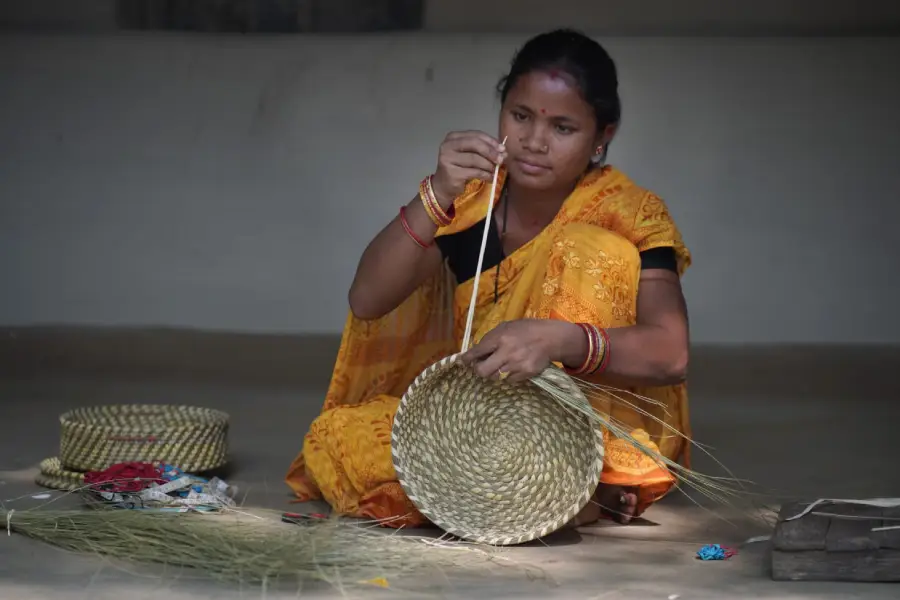
Chuni has already completed three months of training and learnt to make vases, besides bags and coasters. “I devoted about seven hours a day to learning the craft well. Though I knew about Sabai grass, I did not know how to make these items with it. The only thing I could make from Sabai was rope,” she told The Indian Tribal.
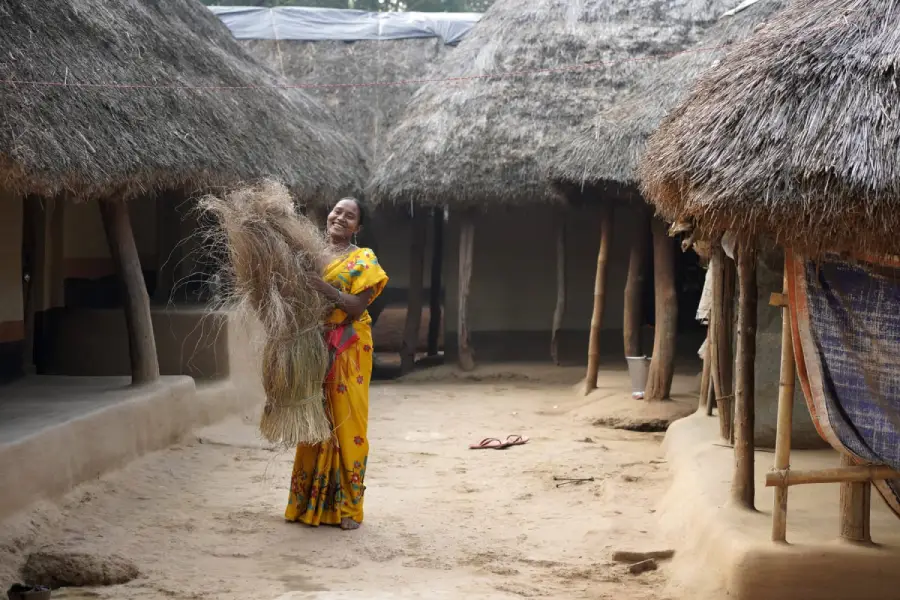
Her friend Jawa said ropes made from the locally available Sabai grass fetch women Rs 100 per kg in the local market. The dried grass is available in the market at Rs 40 per kg. She used to make about 20 kg of rope for sale every month.
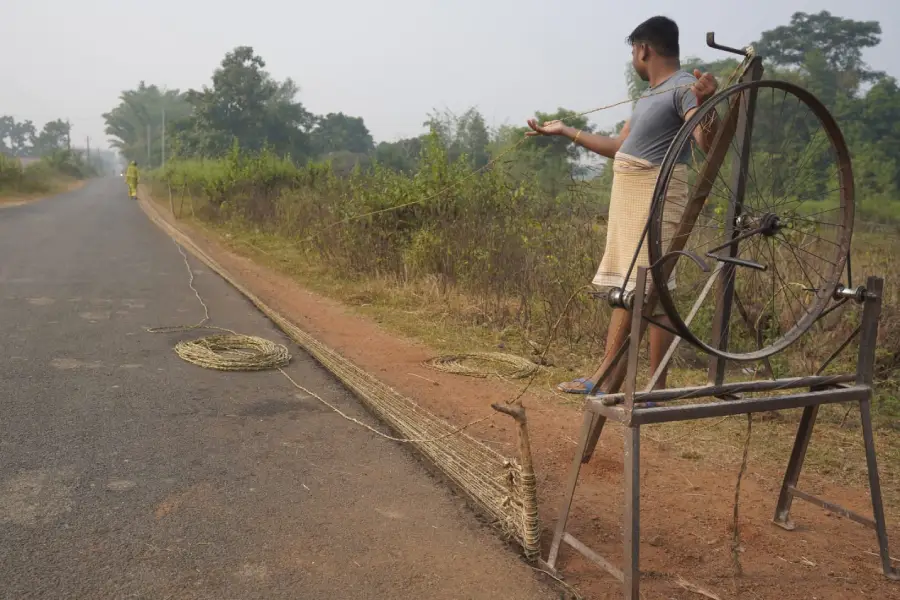
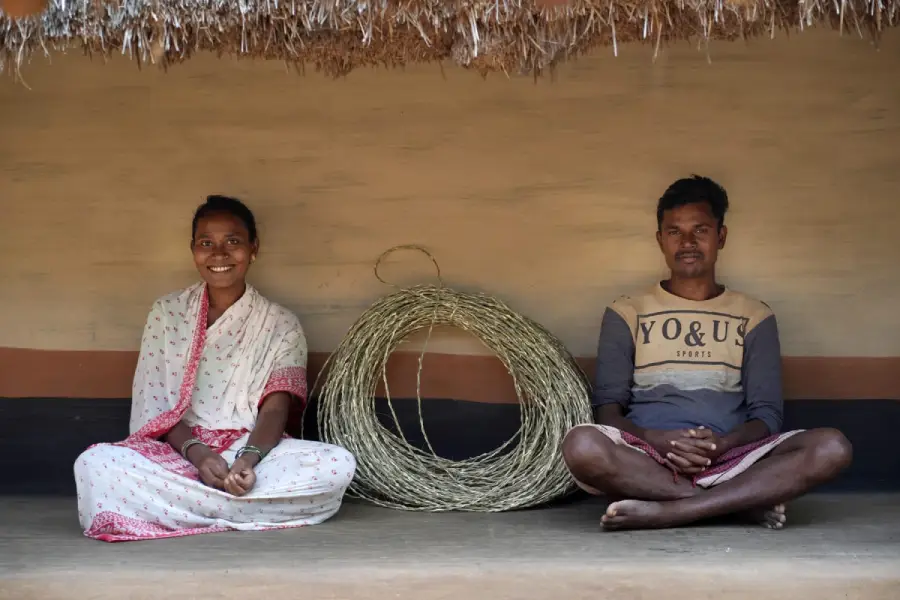
Many women purchased the dried grass and made ropes at home until the non-profit organisation Sikshasandhan, headquartered in Bhubaneswar, stepped in and helped them learn the fashionable side of Sabai, a humble grass widely available in the region. The organisation has a branch office in Morada, about 35 km from Baripada, the district headquarters of Mayurbhanj.
Sisira Kumar Samantaray, who serves as the organisation’s project coordinator and lives in Mayurbhanj, is originally from Jagatsinghpur district of Odisha.
“The training in Sabai targets tribal women. In total, around 160 women receive training in the villages of Mayurbhanj. To popularise Sabai craft, Sikshasandhan is also transplanting the Sabai grass, even though it is found in the wild. Transplantation gives better yields,” Samantaray said.
A Traditional Grass
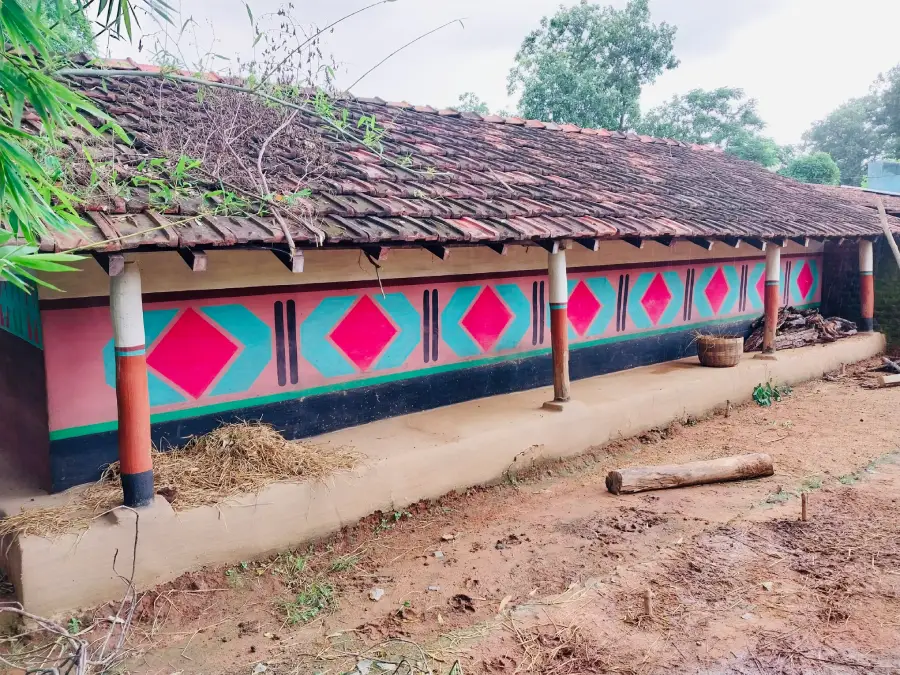
In Mayurbhanj, famous for its martial Chhau dance and where beautiful mud houses with Santhal Sohrai murals—bright geometric designs painted on mud walls—can still be seen, Sabai is a humble and traditional grass.
The grass is also associated with the Mayurbhanj royal family, based at the 200-year-old Belgadia Palace in Baripada. It is said that an ancestor of the Bhanj Deo dynasty, Maharaja Sri Ram Chandra Bhanj Deo, brought the grass home from Madagascar and planted it in Mayurbhanj.
Samantaray said the state government had introduced a lemongrass project a few years ago for the production of aromatic oils. During that period, some farmers became so involved in the project that they stopped cultivating Sabai grass altogether.
“But even after that, they were motivated to grow Sabai, as it is profitable and grows without much effort,” he said.
Samantaray’s colleague Swagatika Bhuyan, the project manager, explained further. The organisation has been working with the Particularly Vulnerable Tribal Group (PVTG) Lodha community since 2017 and started its Sabai project around 2019. At that time, however, very few women were involved.
“But now, there has been a dedicated livelihood project on Sabai cultivation and craft-making since 2020. As part of it, Santhal and Bhumij tribal women are being targeted for training in Sabai craft,” Bhuyan, who resides in Baripada, said.
She explained that the 2019 project was primarily focused on education, with a small livelihood component. “The Sabai project was implemented because the women were interested in learning Sabai grass craft.”
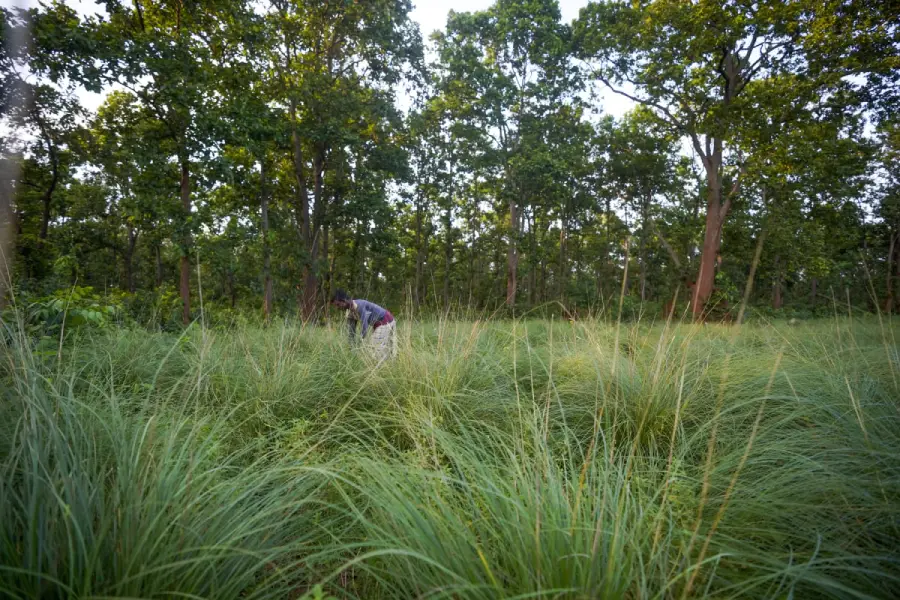
The signature grass of Mayurbhanj is also found in the neighbouring tribal-dominated Keonjhar district. It has unique features, is eco-friendly and does not require much water or labour for cultivation. Monsoon rainfall is sufficient for the grass to grow well. When transplanted during the monsoon, it grows well.
“Though it also grows in the wild, transplantation ensures its luxuriant growth,” Bhuyan said.
Although the grass can grow in and around paddy fields, care is taken to avoid agricultural land, especially paddy fields, as paddy is the main crop in Mayurbhanj. Unused, fallow and grazing lands are selected for transplantation.
According to Bhuyan, Sabai often fails to grow well in the wild. Transplanted Sabai, on the other hand, yields grass continuously for many years.
“It grows within a year, and the monsoon rainfall is adequate for it. Farmers often harvest the grass within a year of transplantation. In the second year, they can take even up to two harvests. Usually, it grows to a height of 4.5 to 5 feet,” she said.
Working With Women
To promote Sabai craft, the target is to form 15 groups over three years. This year, Sikshasandhan aims to form five women’s groups. So far, three groups have been formed, each comprising 20 women.
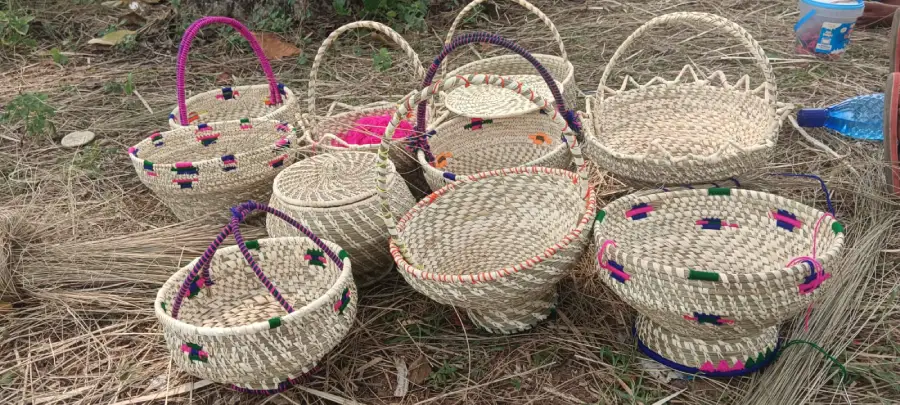
“The women will take some more time to perfect their bags. In the meantime, my organisation has tied up with organisations in Bhubaneswar for marketing the products, which are often displayed at tribal fairs. The Belgadia Palace also helps us market the items,” Bhuyan added.
Mayurbhanj’s Sabai grass craft aims not only to provide a livelihood to tribal women but also to promote a sustainable and earthy choice at a time when fast fashion dominates the market. Designs and colours are constantly being innovated to cater to urban and chic customers.
Usha Rani Naik and her group have been weaving magic with Sabai grass, turning the humble natural product, once used mainly to make ropes, into decorative items. The members work and live in the Guhaldihi cluster of Mayurbhanj, an important centre of Sabai art and craft.
Naik’s unit is known as the Guhaldihi Sabai Producer Group. It has at least 250 members and was formed in 2011. Finished Sabai products have been sent to several prominent cities across India.
“All of us underwent rigorous training in Sabai art for six months, and I was also in Delhi for 15 days for the same,” she said.
Gouri Mohapatra’s Sindhurgoura Rongomatia Producer Group was formed around 2012. After six months of training, the women, around 40 in number and mostly from tribal communities, learnt to make attractive items from Sabai.
“Sometimes, there is a demand for coloured items because these look attractive. So, dyes are used, though many customers prefer the natural look,” Mohapatra said.
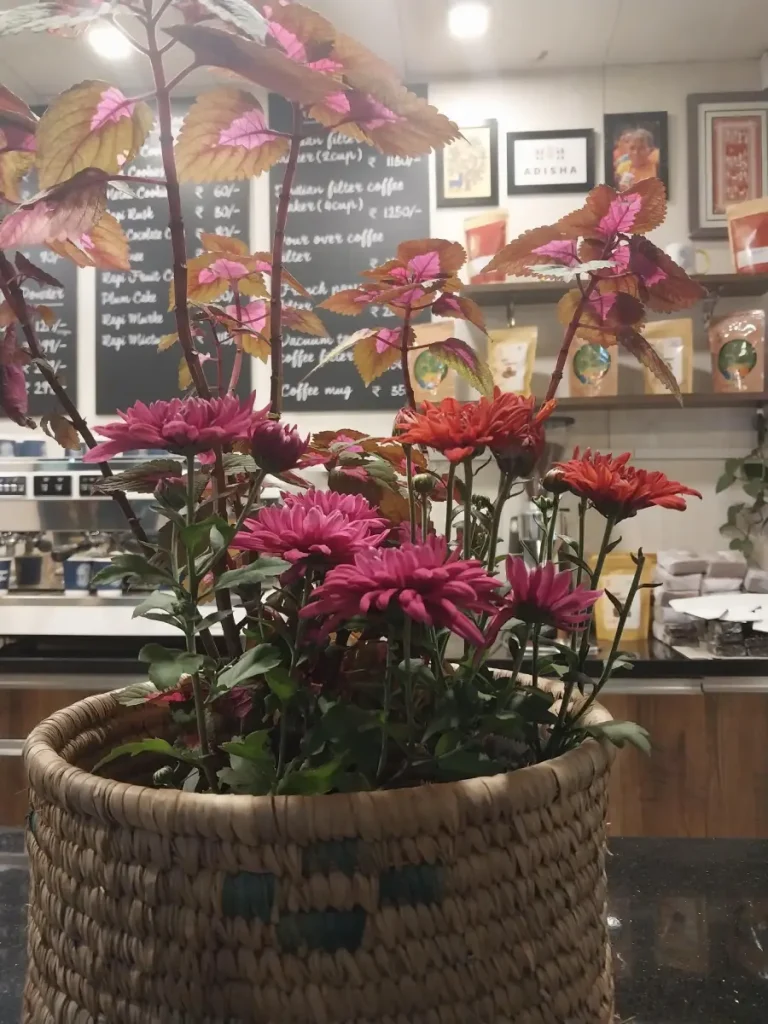
The women make bags, baskets and even small utility items such as pen stands and coasters.
“Items like boxes take a day to make, while bags take longer to finish—around three days or more. The minimum rate for coasters ranges from Rs 20 to Rs 50. The more expensive items include lights and baskets. Their prices start at over Rs 1,000 and can go up to Rs 13,000,” Mohapatra said.
When orders arrive, Mohapatra sends the items through postal and courier services once a week. She wants to experiment with new and unique designs to appeal to customers.
Each woman in her producer group is paid according to the number of products she makes, earning anywhere between Rs 8,000 and Rs 10,000.
She said the area under Sabai grass cultivation had declined because of the cultivation of other crops, especially paddy, making the grass costlier.
Earlier, the grass was priced at Rs 15–20 per kg, but it is now sometimes sold for as much as Rs 50–55 per kg. When it rains heavily, the grass cannot be harvested in the fields. After harvesting, it is dried for two to three days before being sold.
(Pics – Sisira Kumar Samantaray/Siksha Sandhan, Deepanwita Gita Niyogi)