

Ranchi
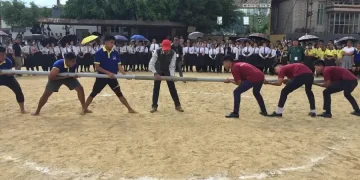
The initiative aims to revive a traditional tribal sport that is gradually fading from collective memory and reconnect the younger generation with its cultural roots. Players from different villages are expected to participate in the event, while the winners will be felicitated on the festival stage.
According to traditional folklore of the Munda community, the origins of Bhowra are associated with a legendary contest between humans and demons, in which humans emerged victorious. Over generations, the game has come to symbolise the triumph of good over evil, courage, physical strength and collective unity. The story and the sport have traditionally been preserved through village gatherings, akharas and local fairs.
Bhowra is not merely a recreational activity but also a test of physical strength, balance, concentration and precision. The traditional sport is believed to encourage discipline, patience and a sense of collective participation among young people. Its revival is also an effort to preserve indigenous knowledge and the oral traditions associated with tribal communities.
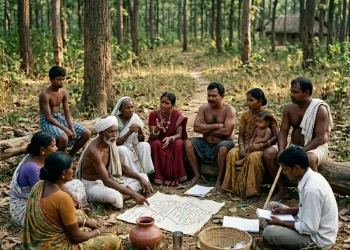
An important feature of the event will be the narration of the traditional folklore associated with Bhowra by village elders. Through these storytelling sessions, children and young participants will get an opportunity to understand the historical and cultural significance of the game and learn about traditions passed down through generations.
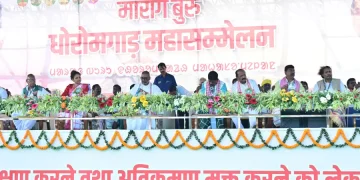
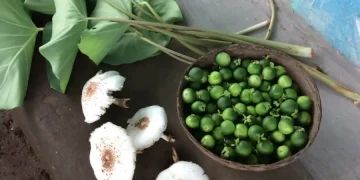
Organiser Kapil Vinod Toppo said that the Mahua Festival is being organised with a broader objective of bringing different aspects of tribal life and heritage onto a common platform. The festival seeks to celebrate and promote indigenous languages, cultural traditions, folklore, traditional cuisine, music, dance and indigenous sports.
He said that traditional games such as Bhowra and Sekor provide an opportunity for young people to reconnect with their roots and take pride in their cultural identity. Reviving such practices is essential to ensure that these traditional forms of recreation and their associated stories do not disappear with the passing of older generations.
The organisers have appealed to villagers, youth, students, cultural enthusiasts and members of the media to participate in the festival and contribute to making the event a success. The special focus on Bhowra is expected to highlight the importance of preserving indigenous sporting traditions as an integral part of tribal cultural heritage.
How The Game Is Played?
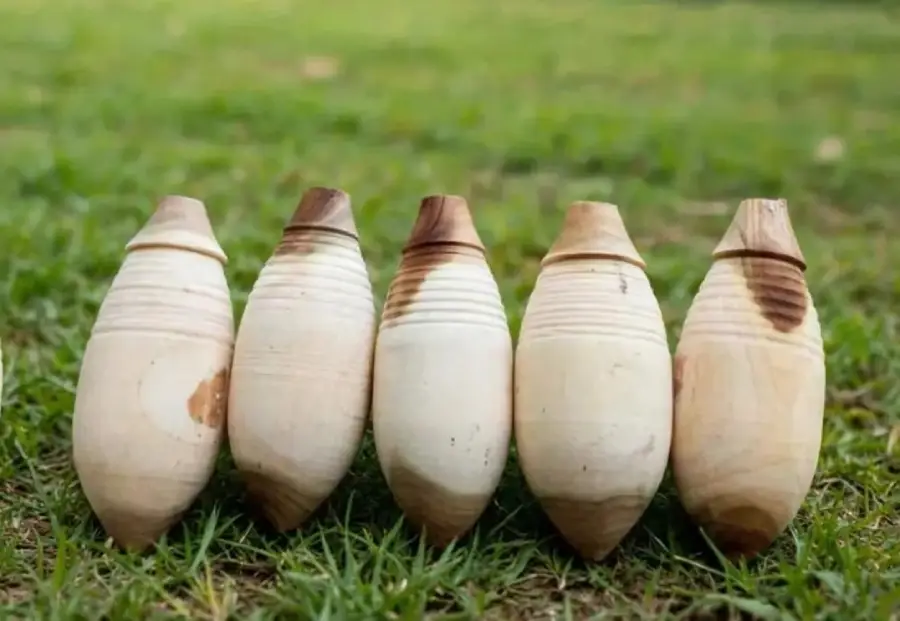
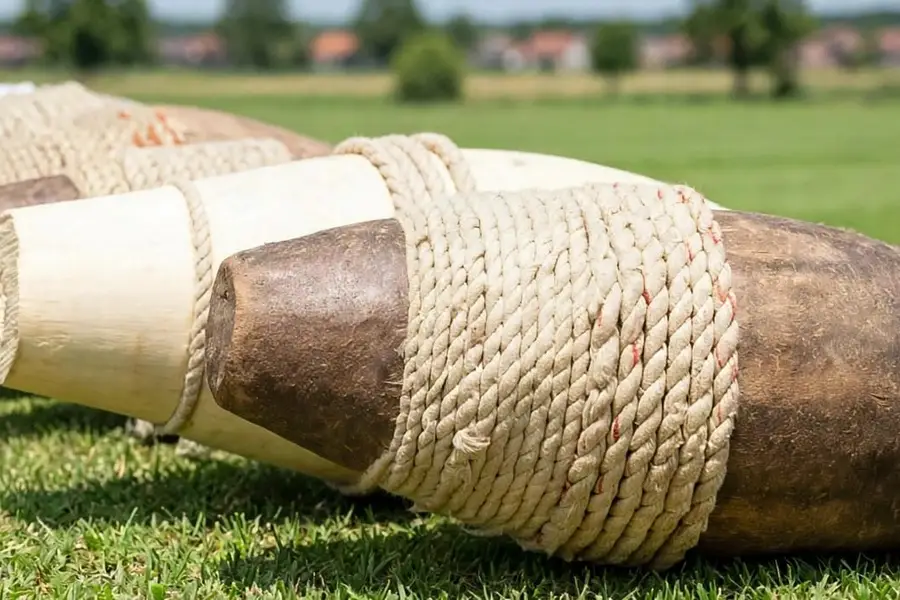
Bhowra, or Sekor, is traditionally played between two teams using large, oval-shaped wooden tops made from locally available wood, including kusum. A cotton or twisted-fabric rope is tightly wound around the pointed lower portion of the top. Players use the rope to launch the wooden object onto the ground, where it spins and becomes part of the contest.
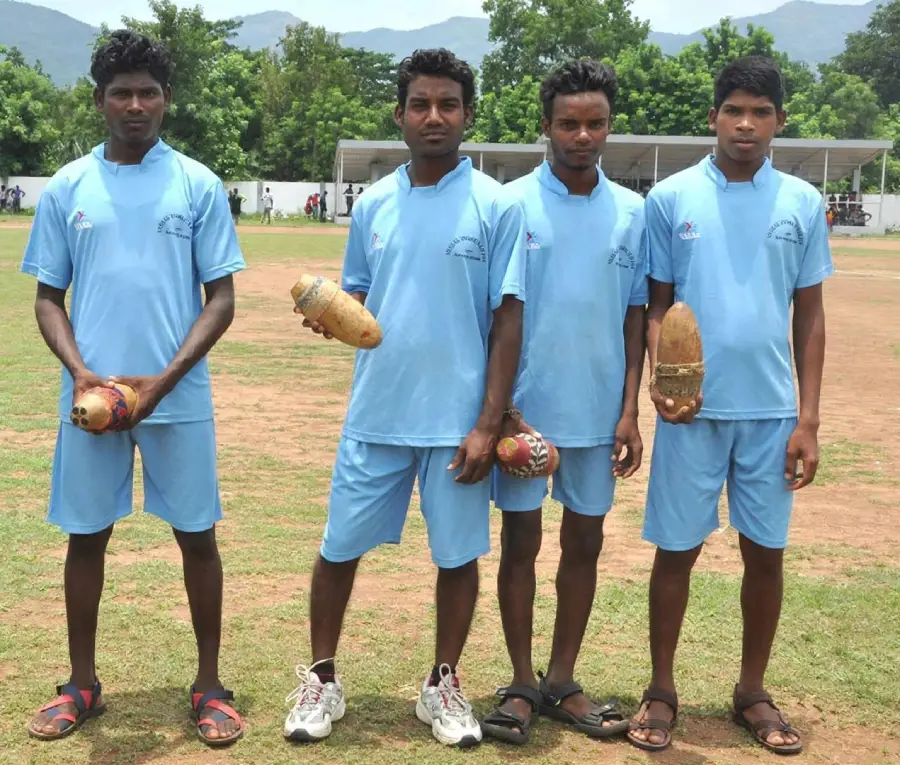
Traditional accounts describe teams comprising seven players each, although the number may vary across local versions. The game is played in an open ground, with a marked playing area. In one documented format, the objective is to strike the opposing team’s wooden top and drive it outside the designated boundary. Each successful strike that sends an opponent’s top out of the playing area earns points.
A traditional match is described as lasting at least 60 minutes, with five points awarded for each successful strike in one documented version. The team accumulating the highest score within the stipulated time emerges victorious. Players require accuracy, strength, timing and control to launch their tops and target those of their opponents.
The game is also associated with seasonal beliefs among the Ho community. Traditionally played during the summer months, Sekor is believed to invoke the rain gods and bring rainfall, making it more than a sporting contest in the community’s cultural life.