


NEW DELHI
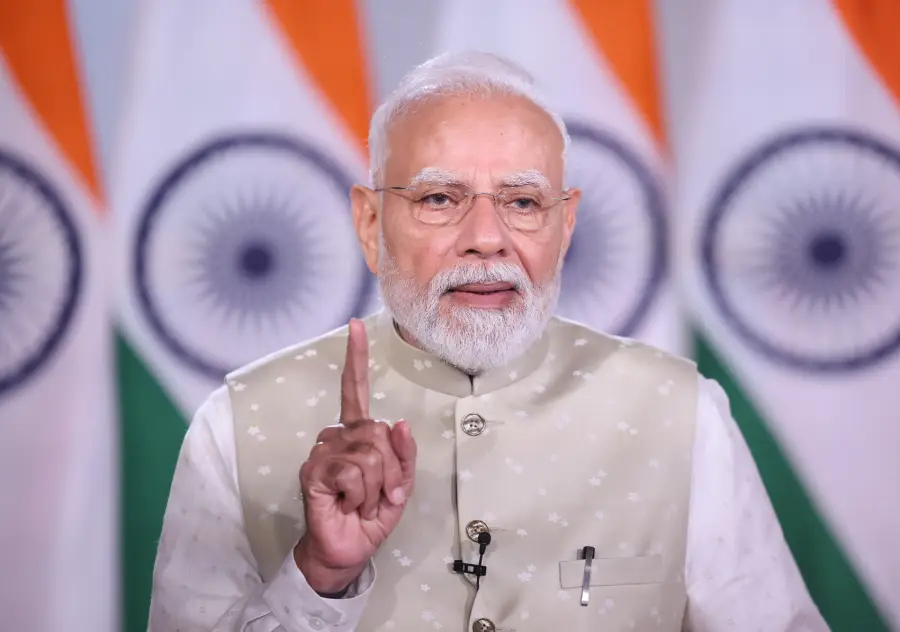
Prime Minister Narendra Modi on Thursday identified a fundamental weakness in India’s Olympic ambitions: the country is competing for only a fraction of the medals available because its athletes do not participate in about half of the sports on the Olympic programme.
But expanding India’s sporting footprint, he suggested, will require more than identifying elite talent—it will require a cultural shift that gets children onto playgrounds in the first place, with “playgrounds” taking precedence over PlayStations and sports becoming a part of everyday life rather than merely a co-curricular activity.
“Sports centres are more important than screens. Playgrounds are more important than playstations. It will only happen when our youth will take this approach forward. Of all the different sports contested at the Olympics, Indian teams do not participate in even half of them,” the PM said addressing the Khelo India Dialogue through video conferencing.
Modi pointed to India’s participation in only 13 sports at the 2012 Olympics. He said India was absent from more than 20 sports at the time, while other countries were winning medals in disciplines in which India did not even compete.
He cited surfing and sport climbing as examples. India has a vast coastline and extensive mountainous terrain, he said, providing geographical conditions that could support these disciplines. The country also possesses both the demographic strength and geographical diversity needed to develop water and winter sports.
Yet the potential has not translated into global sporting visibility. The Prime Minister therefore called for districts to identify their natural advantages and develop ecosystems around particular sports.
Modi said the talent-hunt campaign announced from the Red Fort on August 15 would focus on children between five and 15 years of age. He said India must begin preparing now for the 2036 Olympics by identifying children and determining not only which sports they are interested in but also which disciplines they are naturally suited for, and building sport-specific ecosystems across districts.
He said the government is committed to creating a modern 21st-century sports ecosystem, covering the entire journey from identifying talent to taking athletes to the international stage. That includes sports universities, modern training centres, sports science, coaching and international cooperation.
The PM cited the growing popularity of triathlons, 5K and 10K races, Hyrox, pickleball and badminton as signs of changing attitudes towards sport. According to Modi, sport is increasingly becoming part of people’s daily routines alongside education and careers. Modi also highlighted the role of sport in developing resilience and what he described as a sporting spirit. Sport, he said, teaches people to compete, deal with setbacks and rise again after falling.
He cited India’s para-athletes as examples of how sporting achievement can transform the lives of athletes and their families. He mentioned archery athlete Sheetal, Avani Lekhara, Sumit Antil, Nitesh Kumar and Jhandu Kumar.
Modi also linked sporting participation with fitness and quality of life. Referring to Fauja Singh, who died last year at more than 100 years of age, he said his lifelong association with fitness and sport illustrated the connection between physical activity and quality of life.
The Prime Minister further said sport could help young people stay away from drugs and addiction by developing discipline and willpower.
Modi said sport had emerged as a professional sector and that changing technology, equipment and training methods were creating opportunities beyond competitive athletes.
He listed equipment design, sports technology, sports medicine, nutrition, psychology and analytics among the fields offering new opportunities to young people.
He urged participants in the Khelo India Dialogue to put forward ideas on these emerging areas and said youth participation would be an important component of India’s development.