


New Delhi
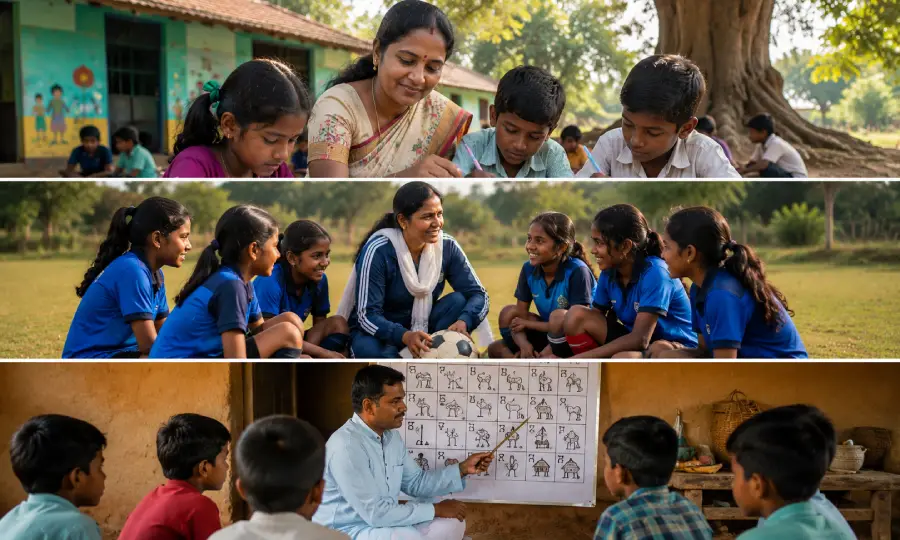
A teacher in a remote tribal settlement is rarely only a teacher. The blackboard may have to double as a community noticeboard, a school may need to be rescued from closure, parents may have to be persuaded to send children back, and lessons may have to extend into questions of health, child marriage, language and social customs.
That is what makes the work of teachers such as M Kalyani Kumari in Andhra Pradesh, Mamata Bhoi in Odisha and Manmohan Marandi in Jajpur worth noticing. None has become a national celebrity but each has done work that goes beyond the classroom; work that has won recognition or produced tangible change among tribal communities.
M Kalyani Kumari: The Teacher Who Refused To Let A Tribal School Die
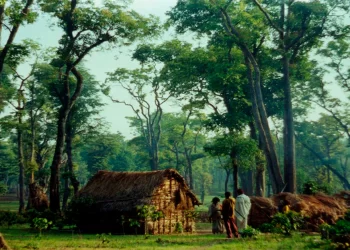
When M Kalyani Kumari arrived at the government primary school in JM Thanda, a remote Sugali tribal hamlet in Kurnool district, the school was barely functioning.
There were 14 children on the rolls, but only two were attending regularly. Closure was a real possibility. Kumari decided that the school could not be saved from an office. It had to be saved from the village itself.
She went from house to house, speaking to families and trying to persuade them that government schooling could give their children a future. She spent money from her own pocket on learning materials and school improvements. She introduced a simple weekly motivation programme in which children doing well were recognised as the “Star of the Week”, with books, pens and other supplies provided by her.
The change was dramatic. Enrolment rose to 53 by 2020-21 and later settled at 43. Twenty-three students secured admission to Gurukul schools and one reached Navodaya Vidyalaya. The school, once close to extinction, had become a destination for children from the surrounding area.
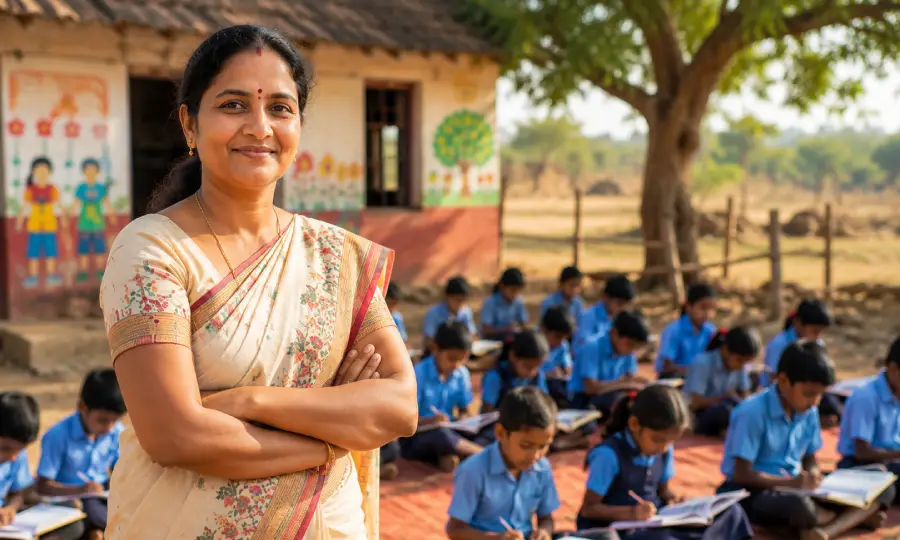
Kumari’s philosophy has been straightforward: before asking children to learn, a teacher has to earn the confidence of their families. She has explained that many parents in the hamlet had little experience of formal education and had to be convinced that schooling could help their children prosper.
Her work has since moved beyond enrolment. In 2025, Andhra Pradesh Education Minister Nara Lokesh honoured her as a “Shining Teacher”, recognising her contribution to transforming the school.
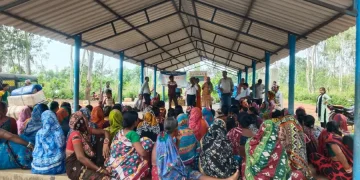
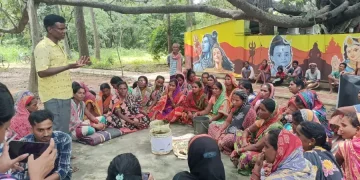
And in May this year, her role in the community took another turn. A special meeting held under her leadership saw villagers of JM Thanda unanimously resolve to prevent child marriages and report attempts to arrange underage marriages to the authorities. That may be the most telling measure of what a teacher can become in a small tribal settlement.
Mamata Bhoi: Giving Tribal Girls A Place In The Public Space
In Bangomunda in Odisha’s Balangir district, Mamata Bhoi has spent years confronting the social pressures that keep tribal and migrant children — particularly girls — away from education.
A tribal teacher and the first graduate from her village, Bhoi has worked with children in circumstances where poverty, child labour, early marriage and restrictions on girls’ mobility can reinforce one another.
Her response has been unusually practical. Education has been linked with conversations about menstrual hygiene. Families have been engaged around child marriage. And sport has been used as a way of changing what girls are permitted to do in public.
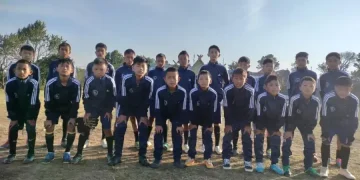
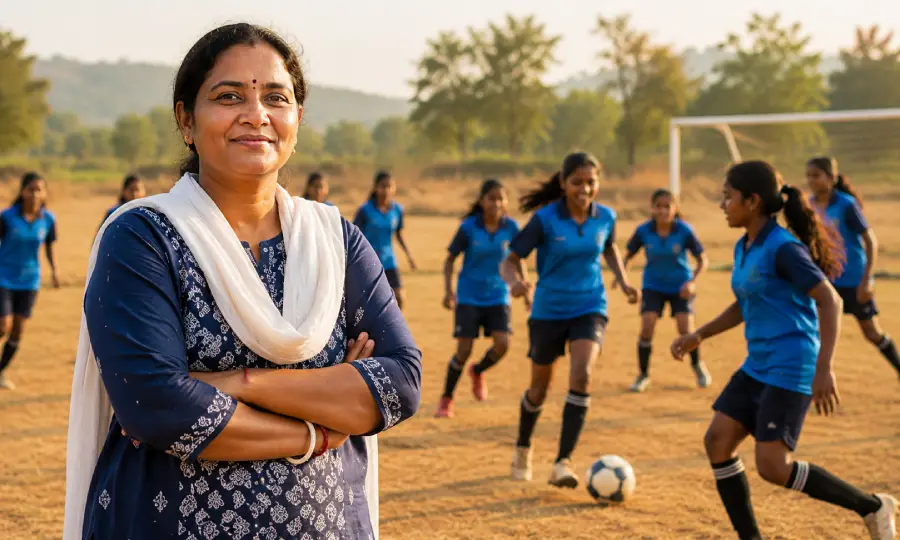
In 2025, Bhoi formed an all-girls football team that won the AJSA Champions League, a regional tournament involving 20 teams from three districts of western Odisha and watched by more than 5,500 people.
The victory mattered for reasons beyond football. In communities where girls can face restrictions on appearing in public spaces, a group of tribal girls walking onto a football field, competing and winning was itself a statement. Bhoi’s intervention was recognised by Shikshagraha as a standout grassroots education initiative, with her work reported to have directly affected more than 1,250 children.
The teacher has explained her approach in terms of changing deeply rooted social attitudes rather than merely improving classroom performance. Her work has been aimed at keeping girls in education, making them aware of their rights and giving them opportunities to develop confidence through sport.
The significance of that approach becomes clearer in a region where education can be interrupted by migration, child labour or early marriage.
A girl who plays football in front of her village is doing more than playing a game. She is occupying space. She is being seen. And she is demonstrating to younger girls that the boundaries placed around their lives need not be permanent. Bhoi’s work has therefore blurred the conventional line between teacher and social worker.
Manmohan Marandi: Teaching A Language That Could Disappear
In Balipada village of Jajpur district, Odisha, Manmohan Marandi teaches children something that does not always find a secure place in the formal education system — their own written language.
Marandi is among a group of Santhal community members who have taken up the voluntary teaching of Ol Chiki, the script created by Raghunath Murmu for Santali. The work is taking place across tribal-dominated villages of Sukinda block, where migration has meant that many children are growing up without learning the script of their community.
There is little glamour in the arrangement. The classes are held three mornings a week, from 7 to 9, often in community centres or village clubs. Across Jajpur, ASECA runs 15 Ol Chiki learning centres, with teachers working without remuneration. In some places, villagers provide food to the teachers.
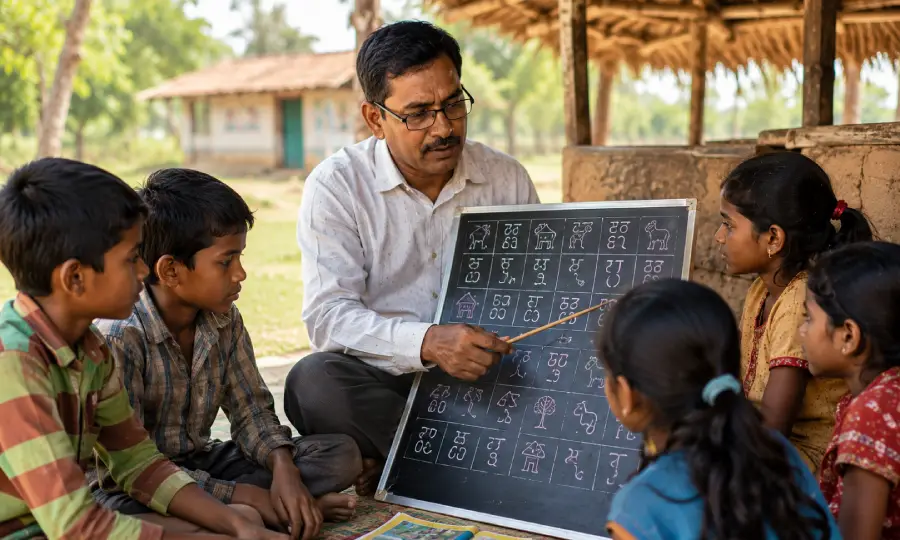
In June 2025, 120 tribal students from primary, secondary and higher-secondary levels appeared for an Ol Chiki examination organised at Balipada.
Marandi has described the makeshift spaces in which the classes are conducted as community centres and village clubs rather than conventional classrooms. That simple description says much about the nature of the initiative: the community itself is providing the infrastructure that the formal system has not yet supplied.
The timing gives the effort added significance. 2025 marked the centenary of Ol Chiki, and Odisha announced a Rs 50 crore package in honour of Raghunath Murmu, including plans to strengthen Santali education, textbooks and teacher training. Yet the Jajpur initiative showed that the preservation of a language does not necessarily wait for a government programme.
It can begin with a few people deciding to teach children on a Sunday morning. For Marandi and the other volunteers, the issue is not simply learning another script. It is about preventing a generation of Santhal children from becoming disconnected from the written form of their mother tongue. The absence of a salary has not stopped them. Nor has the absence of a conventional classroom.