



New Delhi
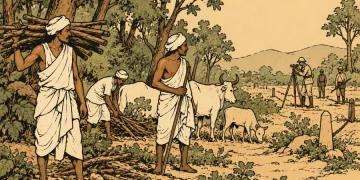
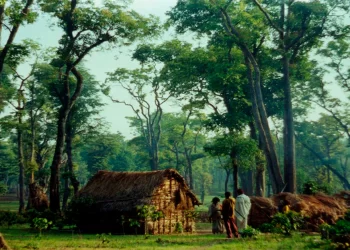
For the Bhils, the forest is far more than a source of livelihood—it is the foundation of their social, cultural and healthcare systems. The medicinal plants used by traditional midwives, the family’s sacred tree and the forest produce that sustains everyday life all depend on a healthy ecosystem.
The Aravalli forests provide fuel, fodder, food and medicine, while also shaping the community’s knowledge of seasonal cycles and biodiversity. Minor forest produce, including tendu leaves, mahua, honey and medicinal herbs, is traditionally harvested in ways that allow the forest to regenerate naturally—an approach to sustainability practised long before the term entered modern environmental discourse.
This intimate relationship with nature also explains why land and forest rights are central to the Bhils’ identity. Protecting land without safeguarding the forests that sustain it offers little security to communities whose lives remain deeply intertwined with the natural environment.
Development Gains, But Persistent Challenges
Despite their rich cultural heritage, the Bhils continue to face significant socio-economic challenges.
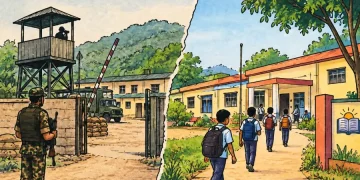
Literacy in Banswara improved from 56.33 per cent in 2011 to around 70 per cent in 2023-24, although a substantial gender gap remains. Pratapgarh and Dungarpur continue to record similar educational disparities. Rajasthan’s Human Development Index (HDI) stood at 0.692 in 2023, but Dungarpur’s district HDI was only 0.361, reflecting persistent deficits in education, healthcare and income.
According to NITI Aayog’s Multidimensional Poverty Index, Dungarpur also records high levels of deprivation in nutrition, sanitation and schooling. These challenges prompted several districts in southern Rajasthan to be included under the Aspirational Districts Programme.
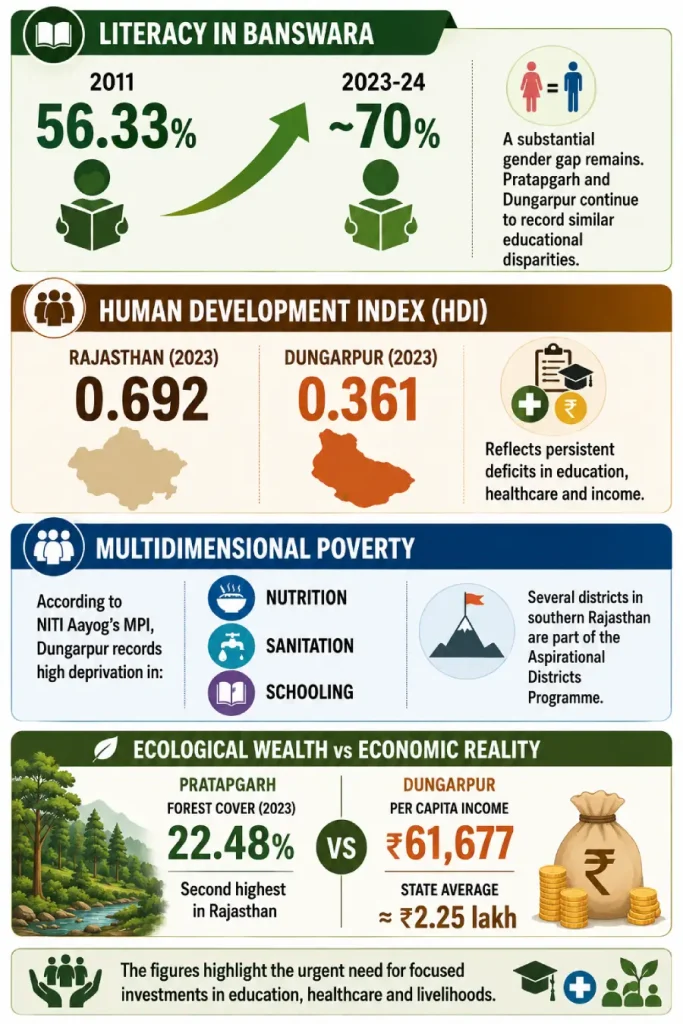
The region’s ecological wealth stands in sharp contrast to its economic realities. Pratapgarh recorded 22.48 per cent forest cover in 2023, the second highest in Rajasthan, yet Dungarpur’s per capita income stood at just Rs 61,677, among the lowest in the state, compared with the state average of nearly Rs 2.25 lakh.
Maternal Health And The Continuing Role Of Indigenous Midwives
Rajasthan has made notable progress in reducing maternal deaths over the past decade. The state’s Maternal Mortality Ratio (MMR) declined from 244 to 141 deaths per 100,000 live births between 2011-13 and 2017-19.
Yet significant gaps remain, particularly in tribal districts. Dungarpur records Rajasthan’s highest post-neonatal mortality rate, highlighting the continuing inequalities in maternal and child healthcare.
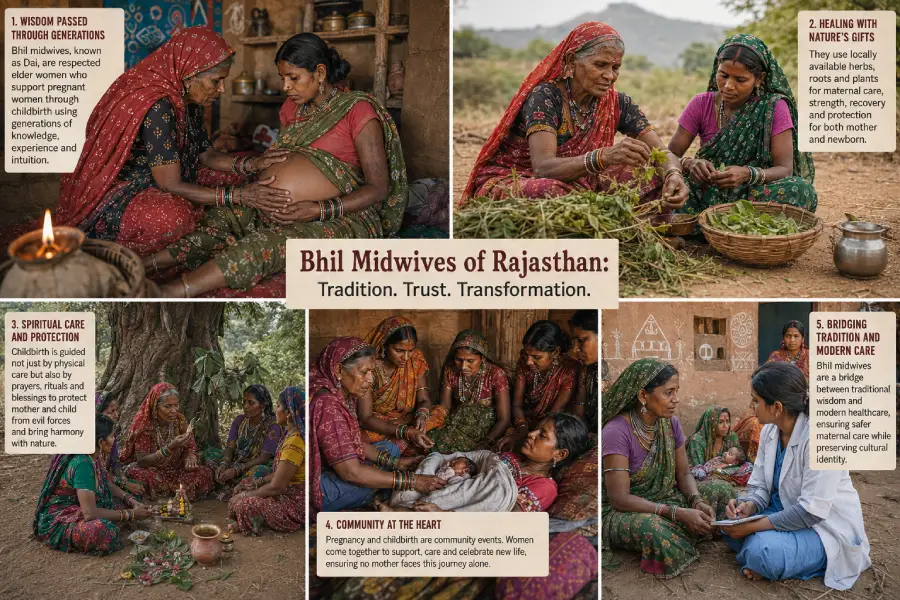
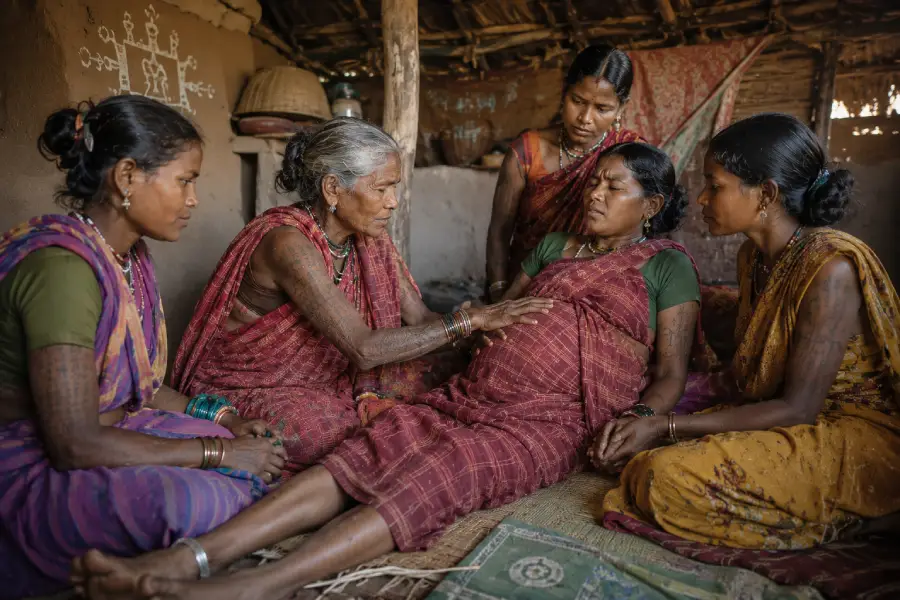
These figures reinforce the relevance of this year’s UN theme. In many remote tribal settlements, traditional midwives remain a pregnant woman’s first and often most trusted source of care, especially where hospitals are distant, transport is unreliable and medical facilities remain overstretched.
Rather than viewing indigenous midwives and institutional healthcare as competing systems, public health experts increasingly argue that the two should complement each other. Training traditional birth attendants to identify complications, encourage antenatal care and facilitate timely referrals could improve maternal outcomes while preserving valuable indigenous knowledge.
Rights That Protect A Way of Life
The Bhils’ relationship with their forests is supported not only by tradition but also by constitutional safeguards designed to protect tribal communities.
Following the expansion of Fifth Schedule areas in 2018, Scheduled Areas now fully cover Banswara, Dungarpur and Pratapgarh, along with parts of five other districts in Rajasthan.
Several constitutional provisions underpin these protections. Articles 15 and 16 provide for reservations in education and public employment for Scheduled Tribes. Article 19(5) allows the State to restrict the transfer of land in tribal areas to non-tribals. Article 244, together with the Fifth and Sixth Schedules, provides the constitutional framework for the administration of Scheduled Areas, while Article 46 directs the State to promote the educational and economic interests of Scheduled Tribes and protect them from social injustice and exploitation.
The Panchayats (Extension to Scheduled Areas) Act (PESA), 1996, adopted by Rajasthan in 1999, empowers Gram Sabhas to manage minor forest produce and mandates consultation before land acquisition in Scheduled Areas.
The Forest Rights Act, 2006 further recognises the rights of forest-dwelling communities over lands they have traditionally occupied, reversing decades in which many tribal villages were treated as encroachers on their own ancestral lands.
These protections continue to evolve through judicial interpretation. In January 2026, the Rajasthan High Court ruled that the creation of municipal bodies does not dilute the constitutional safeguards available to Scheduled Areas. For vulnerable communities such as the Sahariyas of Baran, these legal protections remain particularly significant.
Honouring Indigenous Midwives Means Honouring Indigenous Worlds
The United Nations’ 2026 theme calls on the world to recognise indigenous midwives not merely as birth attendants but as custodians of knowledge systems that have sustained communities for generations.
The Bhils demonstrate why that recognition cannot stop at the midwife herself.
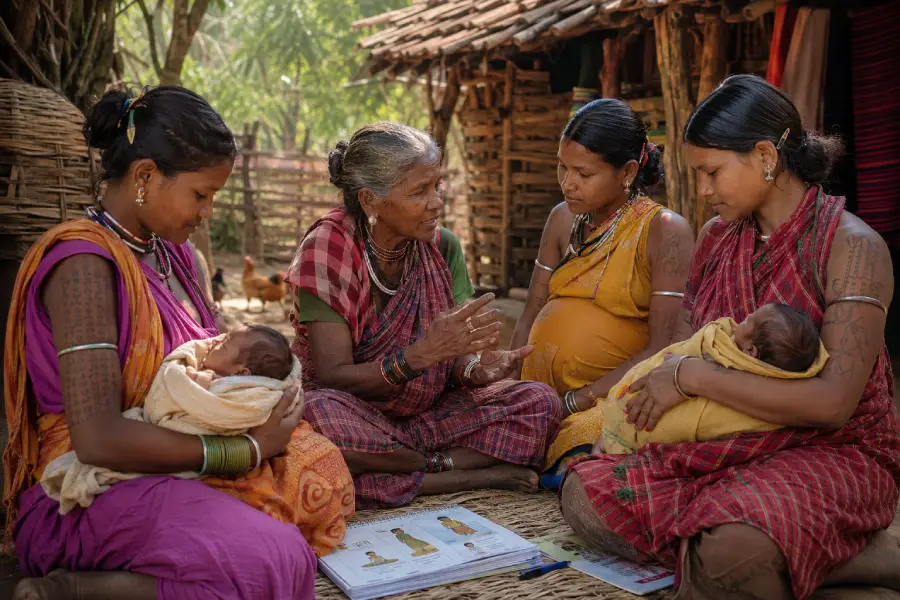
Her knowledge depends on forests that provide medicinal plants, on cultural traditions that pass skills from one generation to the next, on community institutions that uphold customary practices and on legal protections that enable tribal communities to safeguard their land and resources.
A sacred grove, a traditional healer, a Ghoomar dancer, a Gram Sabha deliberating over a proposed mining project and an elderly midwife guiding a young mother through childbirth are all part of the same living ecosystem. When forests disappear, medicinal knowledge loses its source. When communities lose control over their land, the traditions rooted in that landscape become increasingly difficult to sustain.
The story of the Bhils therefore reflects the broader message behind this year’s International Day of the World’s Indigenous Peoples: protecting indigenous healthcare also means protecting indigenous cultures, languages, forests and rights.
For communities that have lived in harmony with nature for centuries, safeguarding maternal health is inseparable from safeguarding the environment, cultural identity and the right to shape their own future. That is the enduring lesson the Bhils offer—not only to India, but to the world.
(The writer is an Assistant Professor at University School of Management & Entrepreneurship, Delhi Technological University. Views expressed are personal.) Ends.