




Bhopal/New Delhi
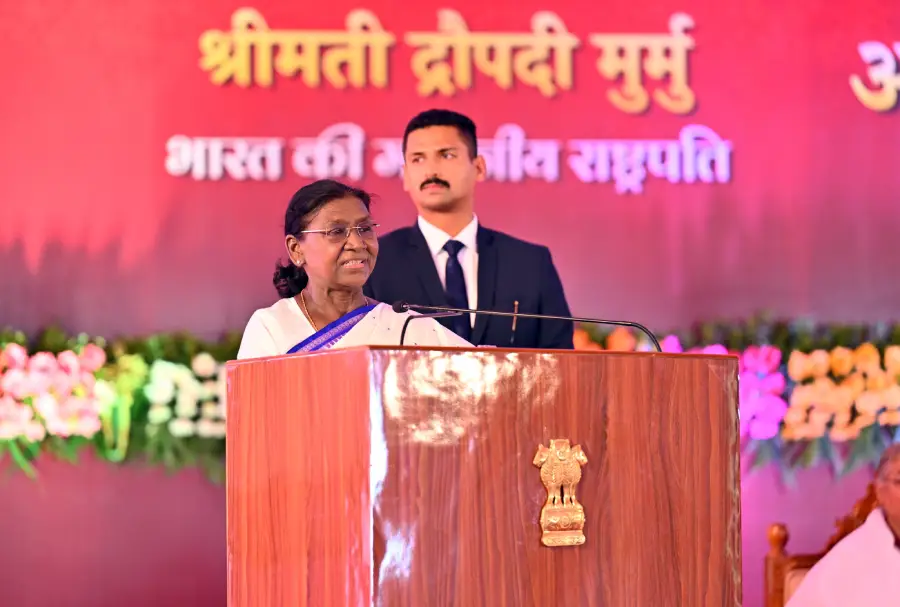
President Droupadi Murmu on Thursday said the lifestyle of tribal communities is naturally aligned with the fundamental inspirations of spirituality and offers an important model for sustainable and inclusive development.
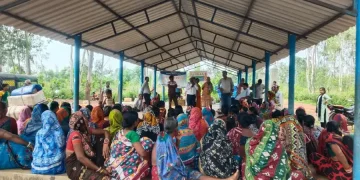
Addressing the conference on ‘Empowerment of Tribal Society through Spiritual Awakening’ in Betul, organised by Prajapita Brahma Kumaris Ishwariya Vishwa Vidyalaya, she said that in a world increasingly driven by consumerism, stress and conflict, spiritual purity has become essential for every section of society.
“In today’s fast-moving world based on a culture of consumption, spiritual purity has become very important for every section of society. It is on the strength of this purity that an egalitarian code of conduct and a lifestyle sensitive to natural resources can be developed in the long term,” she said.
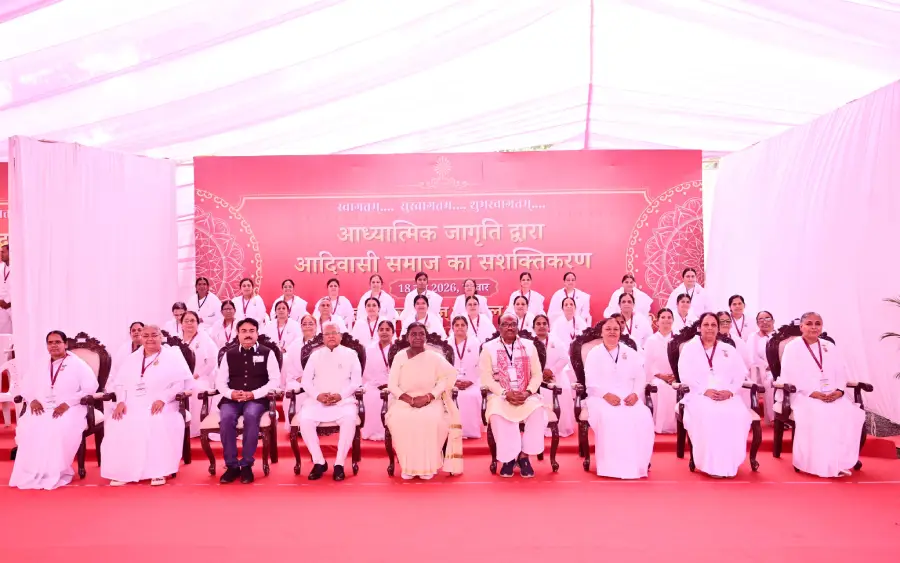
Highlighting the unique worldview of tribal communities, the President said, “The lifestyle of the tribal community is naturally close to the fundamental inspirations of spirituality. The lifestyle of tribal society is filled with spirituality. They know how to live peacefully and remain away from violence.”
She noted that tribal communities worship nature and maintain a deep sense of respect for the earth, water, forests and other natural resources. “They worship the earth, sky, air, water, the sun and the moon. They do not harm the earth, nor do they pollute water. They do not throw garbage into rivers and ponds,” she said.
Referring to the traditional ecological practices of tribal communities, Murmu said many tribal groups regard trees and plants as their ancestors and practise environmentally sustainable ways of living. She also praised their expertise in natural farming, warning that excessive use of pesticides causes diseases and contributes to land degradation. “Natural farming is beneficial for the body, mind and spirituality,” she said.
The President said the tribal community’s connection with natural resources is an inherent strength that promotes a welfare-oriented outlook in every aspect of life. She appreciated the efforts of the Brahma Kumaris, which she said had been working with tribal communities across the country for a long time through programmes focused on spiritual awakening and social development.
Emphasising that empowerment cannot be measured solely through economic indicators, Murmu said, “Real empowerment occurs when an individual becomes active in his or her field of work with self-confidence, self-respect, awareness and a sense of social responsibility.”
She added that spiritual awakening helps individuals discover their inner strengths and connect with positive thinking and higher purposes in life.
Calling for a development model rooted in both progress and heritage, the President said, “The balance between development and culture is the foundation of a strong and prosperous society. Meaningful development is that which derives nourishment from our roots and life values and also strengthens those roots.”
She also stressed the need to connect tribal youth with modern education, skill development and digital empowerment while safeguarding their cultural identity and spiritual heritage.
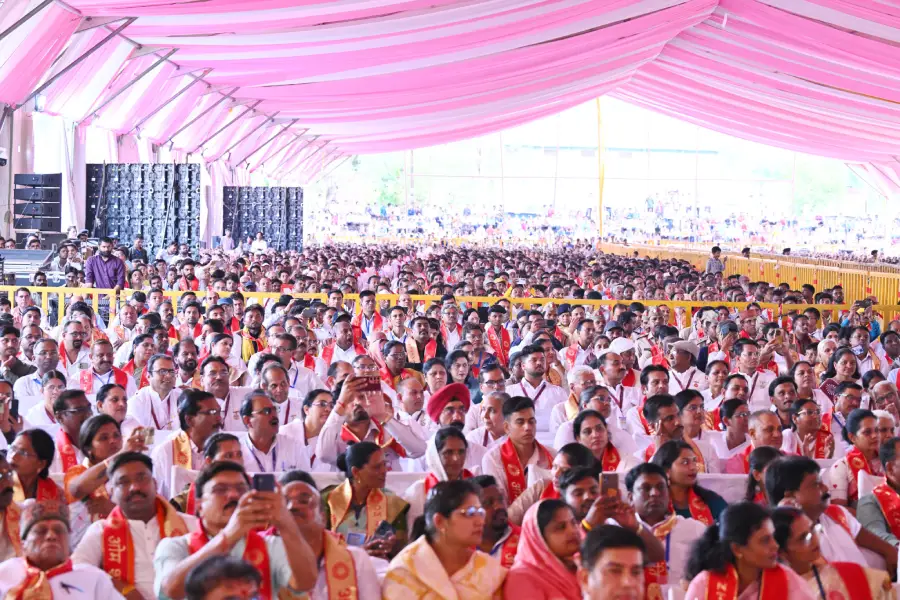
Murmu urged citizens to work collectively towards the vision of a developed India by 2047. “Let us all work together with greater commitment towards building a developed India by 2047, where spirituality, social harmony, environmental conservation and human welfare become the foundation of our inclusive development,” she said.
The President also lauded the rich tribal culture of Betul and said values such as cooperation, simplicity, honesty and spirituality remain deeply embedded in the region’s tribal traditions. She expressed confidence that the conference would strengthen the link between service and spirituality and contribute to lasting social transformation.