








Ranchi
The 26-day agitation by JPSC-JSSC aspirants over alleged irregularities in Jharkhand’s recruitment examinations was suspended on Wednesday, but the government’s decision to cancel the JSSC-CGL and other examinations has opened a fresh front, with candidates already appointed through the CGL recruitment stepping up their protest against the loss of their jobs.
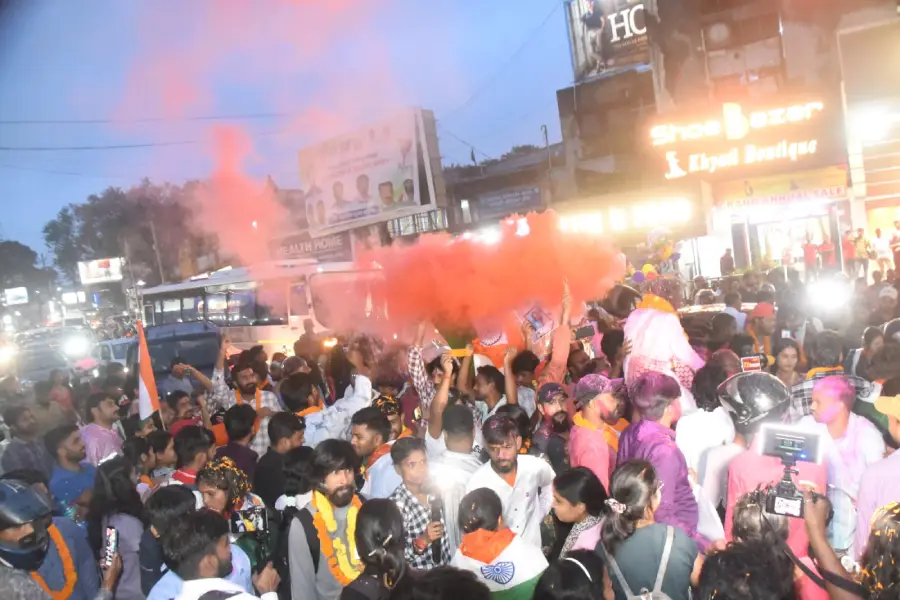
The JPSC-JSSC Reform Manch announced at a press conference at Jaipal Singh Munda Stadium that it was suspending its agitation for two months, giving the Hemant Soren government time to act on its remaining demands. Manch leader Ravindra Paswan said the protest would be revived on a larger scale if concrete action was not taken within the two-month window.
The decision brought the hunger-strike phase of the agitation to an end after several aspirants had gone without food for days. Student leader Devendra Nath Mahto had ended his 16-day fast after the government’s decision on Monday night, while other protesters also subsequently withdrew from the fast. Reports on Tuesday had said three of the six hunger strikers were still continuing their fast, but the Manch’s decision on Wednesday to suspend the agitation effectively brought that phase of the protest also to a close.
The suspension followed the state government’s late-Tuesday notification cancelling 22 JPSC and JSSC examinations linked to the controversy and ordering a CID investigation into 23 other examinations. The move came after a special Cabinet meeting chaired by Chief Minister Hemant Soren and represented the government’s most extensive response so far to the allegations surrounding recruitment examinations.
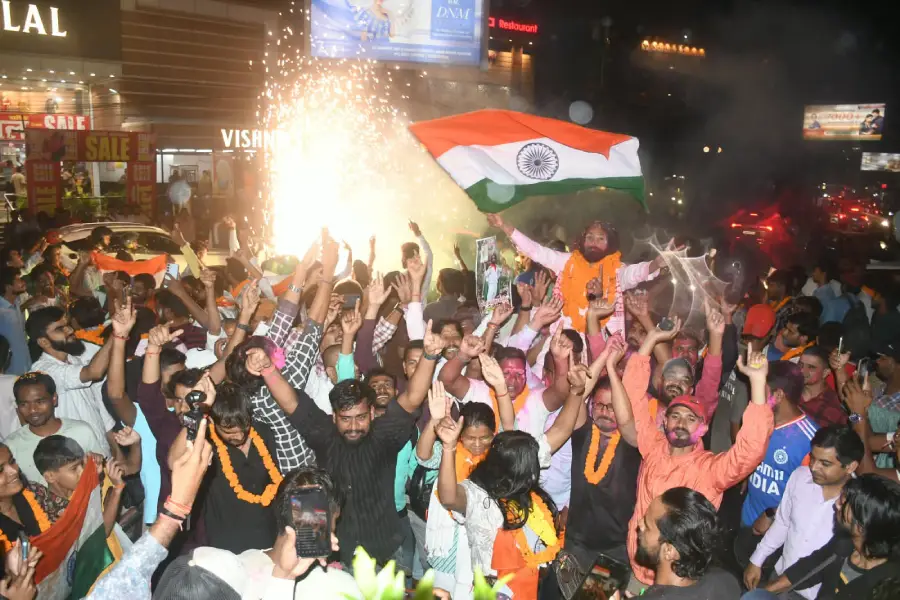
For the protesting aspirants, the cancellation of the JSSC-CGL examination, along with examinations conducted through TSR Data Processing Pvt Ltd (TDPL), had been one of the central demands. The government also moved against the 14th JPSC examination and backlog examinations as part of the wider action. The CID was already investigating alleged irregularities in recruitment examinations, with the probe having resulted in arrests and searches in the JPSC-related case.
But the students did not treat the government’s decision as the end of the matter.
The Manch said several demands remained pending and warned that merely cancelling examinations would not be enough. It wants effective safeguards against paper leaks and other irregularities, accountability for those responsible and wider reforms in the recruitment system. The students also continue to press for an independent investigation, including the demand for a CBI probe, which the state government has not accepted. Earlier rounds of talks between the government and the protesters had failed to resolve this key issue.
The students’ decision to suspend rather than terminate the agitation was therefore presented as a conditional truce. Paswan said the government had two months to demonstrate that it was acting on the remaining demands, warning that failure to do so would trigger a renewed agitation “even larger in scale”.
The government’s response has also included proposed structural changes in the examination system, including a time-bound annual examination calendar, greater use of technology to secure examinations, timely publication of answer keys and OMR sheets, and multi-level accountability.
CGL-pass employees’ protest gains momentum
The apparent de-escalation at Jaipal Singh Munda Stadium coincided with an escalation at Project Bhavan, where candidates who had cleared the JSSC-CGL examination and had already been appointed by the state government gathered to oppose its cancellation.
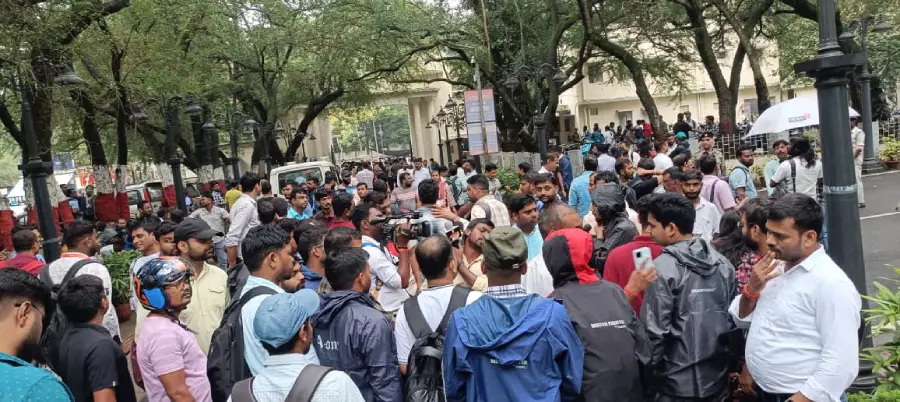
Hundreds of affected candidates defied prohibitory orders and protested at the Jharkhand Secretariat on Wednesday. The demonstration turned tense when the protesters broke through barricades and entered the secretariat premises.
Their grievance is fundamentally different from that of the aspirants who had demanded cancellation of the examination.
The CGL-pass employees say they should not be made to pay for alleged wrongdoing by others without being given an opportunity to establish their own innocence. Some told reporters that they had been working in government offices until Tuesday and were informed only later that their examination and, consequently, their appointments had been cancelled.
Chanda Kumari, one of the protesting employees, questioned whether cancelling an entire examination was the appropriate way to identify those allegedly responsible for irregularities. She argued that innocent candidates should not be punished along with anyone found guilty.
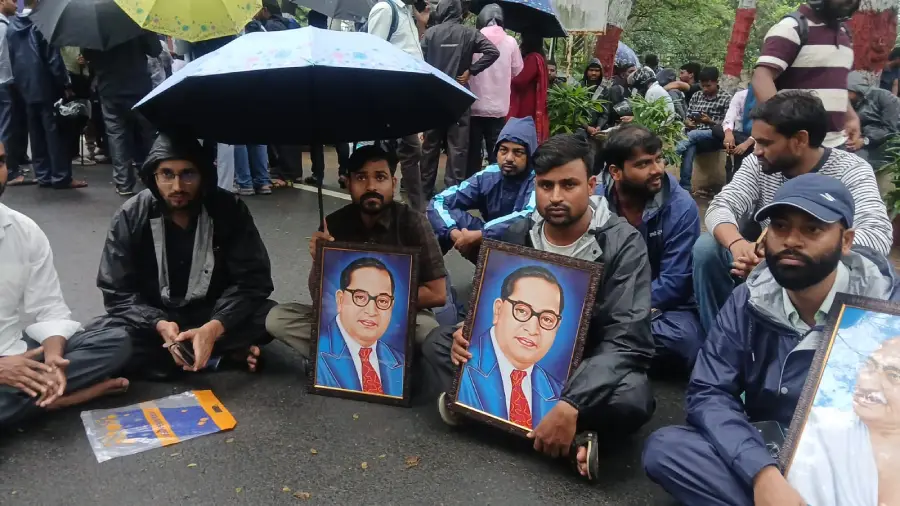
The protesters said they were prepared to challenge the government’s decision in court. They also argued that many appointments had followed judicial directions and expressed confidence that the courts would consider their claims.
The issue has acquired considerable scale because the cancellation affects a large number of successful candidates who had already entered government service. Reports from the protest site put the number of affected families at over 2,000.
The employees’ protest creates a difficult administrative and legal problem for the government: the same decision that met a central demand of the protesting aspirants has generated a new group of aggrieved candidates who argue that a blanket cancellation punishes those who may have cleared the examination legitimately.