


New Delhi
President Droupadi Murmu on Thursday described Bastar Pandum as a powerful symbol of tribal identity and cultural resurgence, saying the festival has helped reconnect younger generations with their traditions while contributing to tourism, livelihoods and the region’s changing socio-economic landscape.
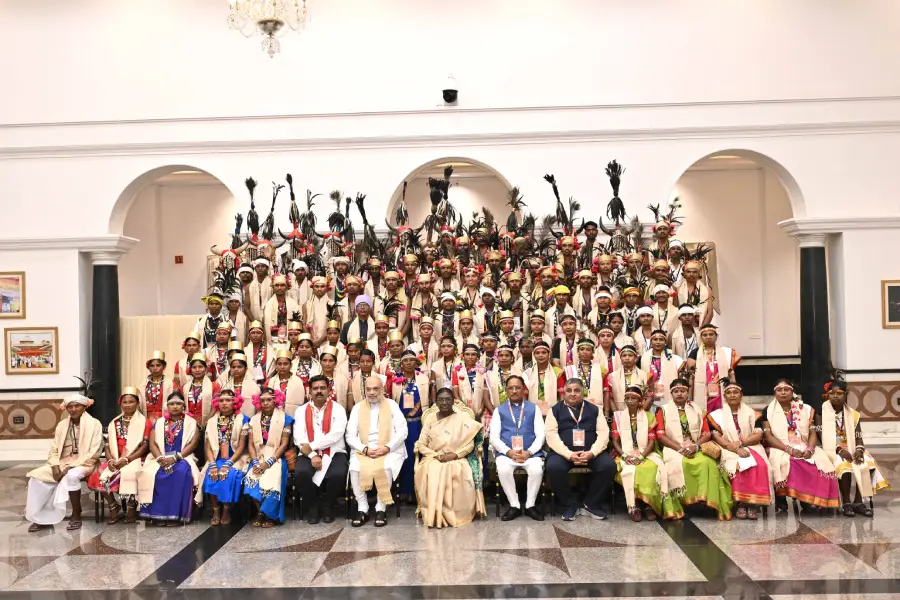
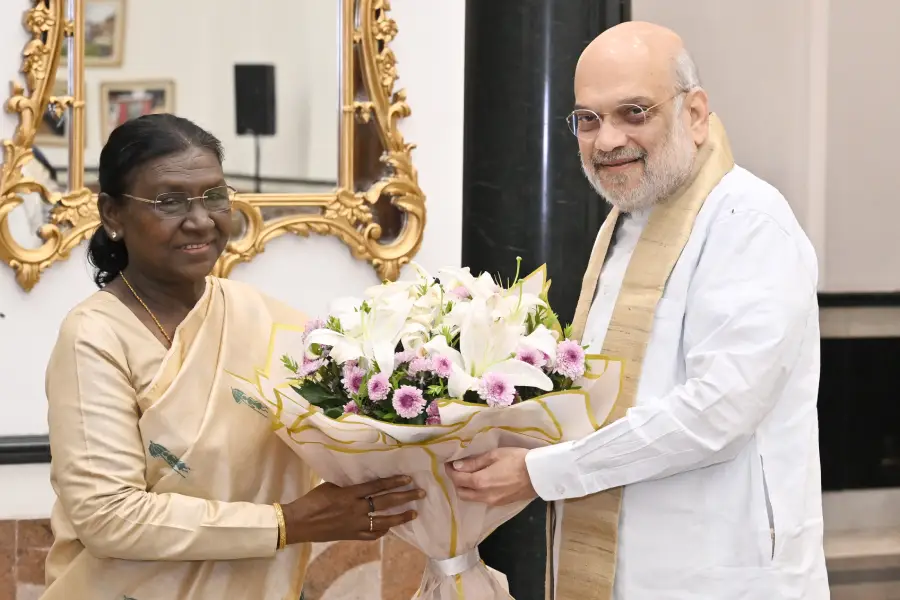
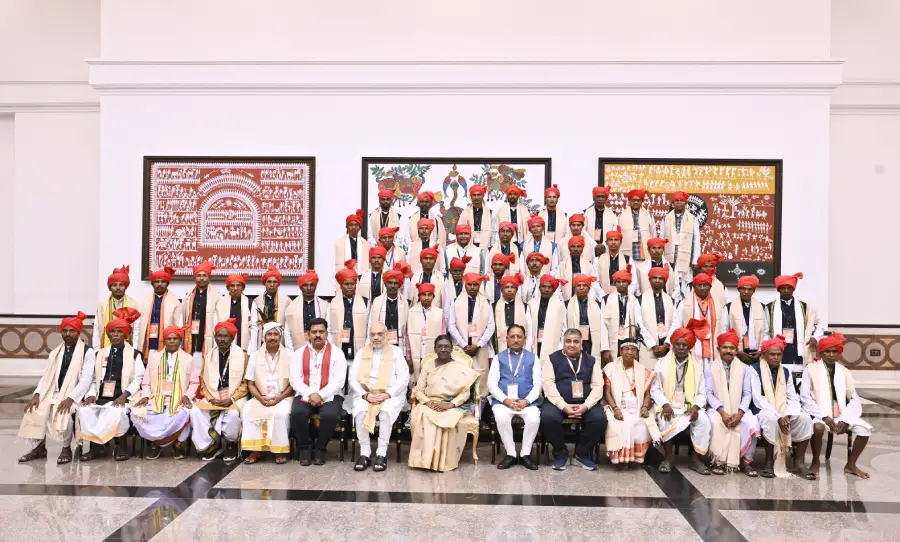
The President made the remarks while interacting with a delegation from Bastar Mandal comprising winners of Bastar Pandum 2026, along with traditional community leaders, including Pargana Manjhis and Chalaki representatives, at the Rashtrapati Bhavan Cultural Centre. Also present were Union Home Minister Amit Shah and Chhattisgarh Chief Minister Vishnu Deo Sai.
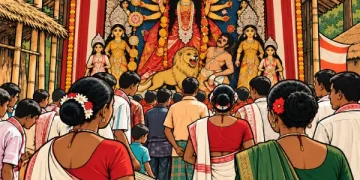
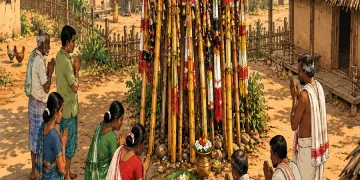
Calling Bastar Pandum much more than a cultural festival, Murmu said it represents the rich traditions and civilisational identity of Bastar and seeks to project the region’s authentic cultural heritage before national and global audiences. “Bastar Pandum is not merely a cultural event; it is a celebration of Bastar’s glorious traditions and cultural identity,” the President said, adding that such initiatives inspire younger generations to reconnect with their customs, indigenous knowledge systems and community values. She noted that the festival also creates opportunities for tourism and local employment.
Bastar Pandum: A Cultural Revival Initiative
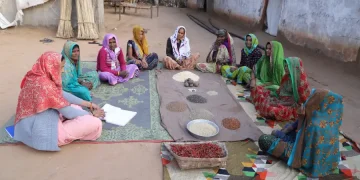
Bastar Pandum has emerged as one of Chhattisgarh’s largest tribal cultural initiatives, bringing together indigenous communities from across the Bastar division to showcase traditional dance, music, rituals, folk arts, crafts and community institutions.
Conceived as a platform to preserve and promote the region’s diverse tribal heritage, the festival also aims to encourage cultural documentation, strengthen local identities and generate economic opportunities through tourism and creative industries. The programme has increasingly become a flagship effort to celebrate Bastar’s indigenous traditions while presenting them to wider national and international audiences.
Murmu also acknowledged the role of traditional tribal institutions, particularly Manjhis and Chalakis, describing them as custodians of community values and effective links between local society and the administration.
“They are an effective bridge between the community and the administration,” she said, expressing confidence that their leadership would continue to promote peace, harmony and collective well-being.
‘Bastar Moving Towards A New Chapter’
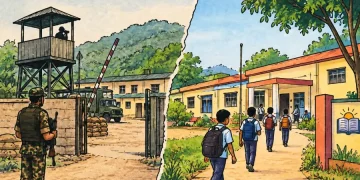
Referring to ongoing changes in Bastar, long affected by Left Wing Extremism, the President said the region was witnessing a positive transformation through a combination of government initiatives and public participation.
She observed that many residents were moving away from the atmosphere of violence and embracing opportunities in education, employment and development.
According to the President, basic infrastructure such as roads, electricity and drinking water is reaching remote villages, while schools that remained shut for years have resumed functioning and are once again filled with children. “Today, an atmosphere of hope, trust and progress is taking shape in Bastar. This transformation is a source of joy and pride for the entire nation,” she said.
While highlighting these developments, the President did not provide specific data to quantify improvements in education, infrastructure or security.
Tribal Talent Gaining National Recognition
Murmu said tribal youth are increasingly excelling in education, science, sports and the arts, noting that indigenous communities possess exceptional natural talent in sports and cultural pursuits.
She also welcomed the recent organisation of the Bastar Olympics, describing it as another initiative encouraging tribal youth to showcase their abilities.
The President expressed confidence that tribal communities would continue contributing to India’s development while preserving their unique cultural identity.
She urged communities to strengthen cooperation and social harmony and called for greater attention to the empowerment of women, children, senior citizens and other disadvantaged groups. She also appealed to people to make conservation of water, forests, the environment and natural resources an integral part of everyday life.