




New Delhi
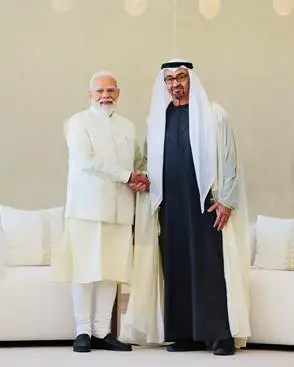
Prime Minister Narendra Modi used cultural diplomacy and India’s rich tribal traditions to strengthen international ties during his recent foreign tour from May 22 to May 25, 2026, covering visits to Sweden, Italy and the United Arab Emirates.
Along with bilateral meetings focused on trade, technology, climate cooperation and investment, the Prime Minister presented specially curated gifts that reflected India’s indigenous craftsmanship and centuries-old artisanal traditions.
The gifts drew attention for their strong connection to tribal communities and local cultural identities, underscoring India’s efforts to promote traditional knowledge systems and handmade products on the global stage.
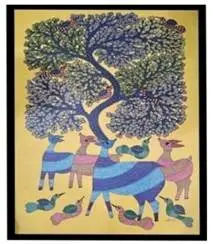
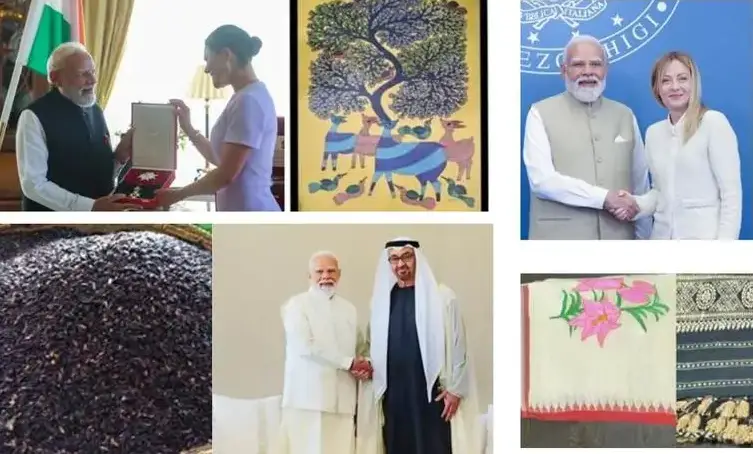
A traditional Gond painting from Madhya Pradesh was presented to Crown Princess Victoria, Crown Princess of Sweden. The Gond art form, practiced by the Gond tribal community across central India, is internationally recognised for its intricate dot-and-line motifs, vibrant natural colours and depictions of forests, wildlife and folklore. Over the years, Gond paintings have emerged as an important source of livelihood for tribal artisans and have gained prominence in global folk-art exhibitions.
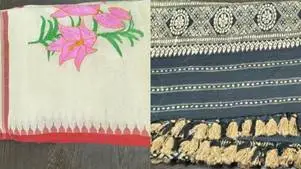
Italian Prime Minister Giorgia Meloni received a Muga Silk stole from Assam along with a Shirui Lily stole crafted by artisans from the Tangkhul Naga community of Manipur. Muga silk, known for its natural golden sheen and exceptional durability, carries a Geographical Indication (GI) tag and remains deeply linked to Assam’s traditional weaving culture. The Shirui Lily stole draws inspiration from Manipur’s rare state flower found in the Shirui Hills of Ukhrul district and reflects the rich textile traditions of the Tangkhul Nagas.
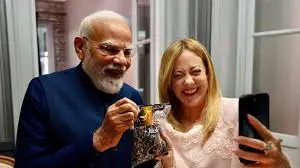
In a lighter diplomatic moment that quickly went viral online, Modi also gifted a packet of Melody chocolates to Meloni, reviving the popular social media phrase “Modi + Meloni is Melody.” The phrase had earlier become a trending meme after photographs and videos of the two leaders at global summits attracted widespread online attention. Social media users once again flooded platforms with references to the slogan, turning the gesture into a talking point beyond diplomatic circles.
In Italy, talks centred on strengthening trade relations, semiconductors, artificial intelligence, renewable energy and maritime cooperation in the Indo-Pacific region. Both countries reiterated their commitment to enhancing strategic ties and expanding cooperation between Indian and European industries.
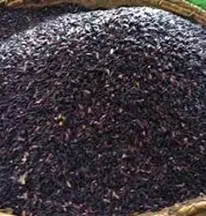
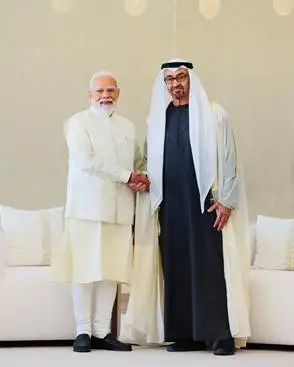
Her Majesty the Queen Mother of the United Arab Emirates was gifted Black Rice, locally known as Chak-Hao, from Manipur. Traditionally cultivated by tribal hill communities in the northeastern state, the aromatic black rice is rich in antioxidants and nutritional value. Once reserved largely for royalty and ceremonial occasions, Chak-Hao has increasingly gained international recognition as a heritage food product from India’s Northeast.
The Prime Minister has consistently used traditional Indian gifts during foreign engagements to project the country’s soft power and cultural diversity. In earlier diplomatic meetings too, global leaders have received tribal paintings, handcrafted metalwork, Pashmina products, Dokra art, sandalwood carvings and handwoven textiles representing different regions of India.
Apart from the cultural outreach, the foreign tour yielded significant diplomatic and economic outcomes. During the Sweden leg of the visit, discussions focused on clean technology, green energy partnerships, innovation and sustainable urban development. India and Sweden also explored deeper collaboration in defence manufacturing and startup ecosystems.
During the UAE visit, the discussions covered investment partnerships, food security, fintech collaboration and energy cooperation. The two sides also reviewed progress on ongoing infrastructure and logistics initiatives under the India-UAE Comprehensive Economic Partnership framework.
Officials said the gifts symbolised India’s attempt to blend diplomacy with cultural storytelling by bringing tribal traditions, indigenous textiles and regional craftsmanship into the centre of international engagement. Through these gestures, India projected not only its cultural richness but also the economic and artistic contributions of tribal communities to the country’s heritage.