









New Delhi
Posted in Chhattisgarh’s Narayanpur district, once counted along with Sukma and Bijapur as one of the most impacted Left-Wing Extremism (LWE) districts of the State, DSP Amrita Painkra, in her 30s, participated in seven anti-Maoist operations that started as early as February-March 2024.
As a child who grew up in another Maoist-affected district Surguja, 570 km away from Narayanpur, the tribal police officer recalled how Maoists used to visit her village.
“Early in the morning when I used to sit on the ledge outside my house, I would see them marching around with rifles. But their sway over the public was limited in that place. It was never the same as what happened in the Bastar region,” she told The Indian Tribal over a phone call which lasted over an hour as she walked down the memory lane.
Though the impact of insurgency had been felt in districts like Surguja and Kabirdham located in northern and central Chhattisgarh, the Bastar region comprising seven districts in the southern part of the State ultimately became known for the ‘Red’ terror for almost four decades.
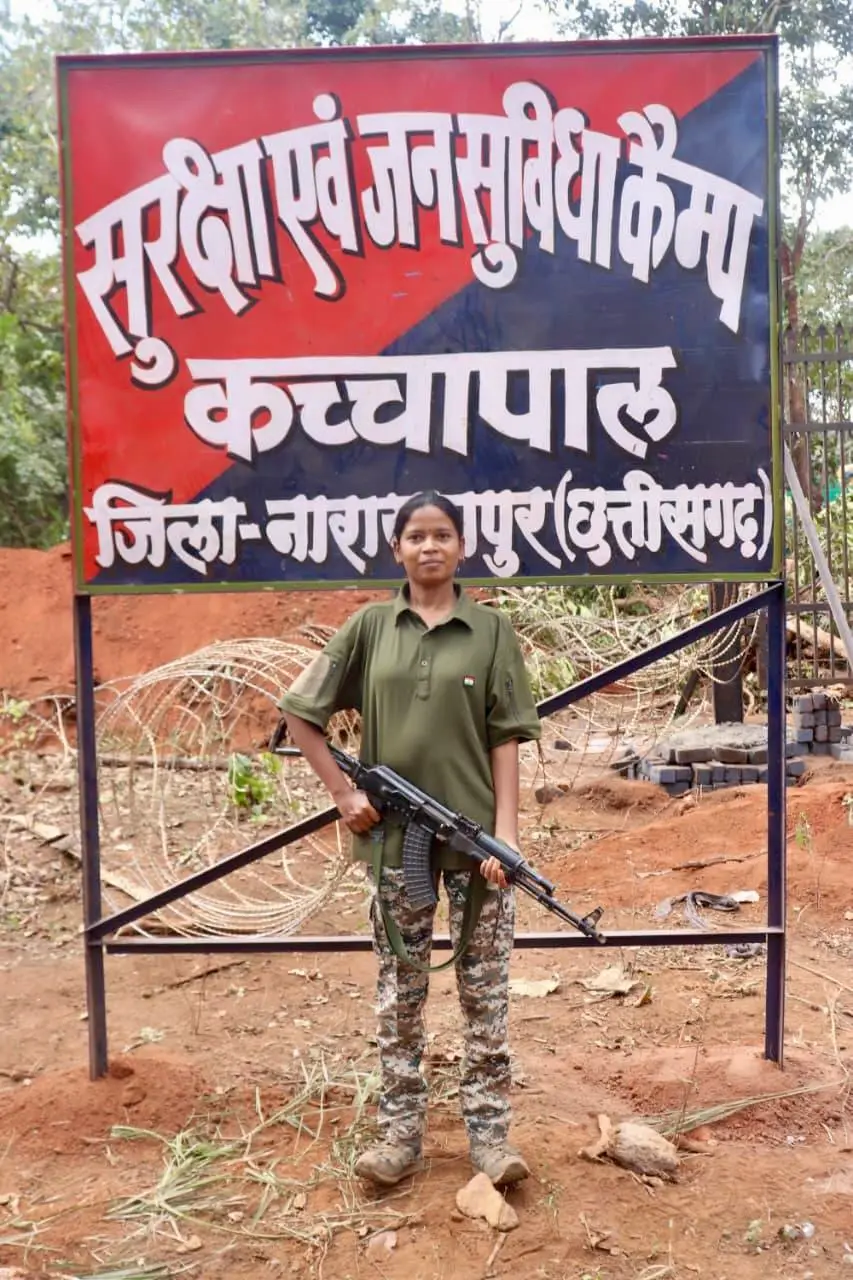
The DSP shared that while she was posted in Kabirdham, all of a sudden an official notification arrived about her transfer to Narayanpur. “I didn’t have much time in between the transfer. Within just three to four days, I was in Narayanpur. I officially joined on August 29, 2024, and that too around midnight. At that time, the anti-Maoist operations were on, and I had to hurry even though the distance between the two districts is about 350 km,” she said.
The officer informed that at the start of police duty, many new joiners were posted in LWE-affected districts. She remembered how in a major development two insurgents, who were active in the Chilphi Ghati area in Kabirdham on the Chhattisgarh-Madhya Pradesh border, surrendered to the police after her transfer. They boarded a bus and arrived in Narayanpur for the surrender. The officer said that it happened because of the intense police ops launched in Narayanpur.
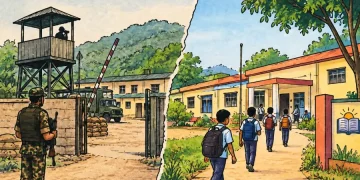
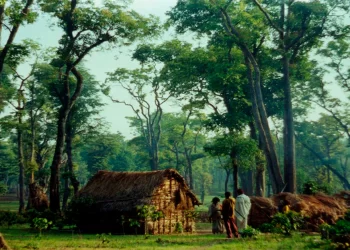
“Even that side the forest is dense and can provide good cover to insurgents,” she recalled. But in Kabirdham, just like Surguja, the Maoists could not establish that kind of dominance over the public, especially over the Baiga tribals. “This was due to the police initiative as part of which schools were run in the interior villages for the benefit of the local children. This drive actually helped keep insurgency at bay,” she said.
Naturally, when her family first heard about the Narayanpur transfer, they were concerned on the grounds of safety. When her phone used to be out of network for days, the family got all worked up.
Brush With Anti-Maoist Ops
After being posted in Narayanpur, Amrita underwent an intense 40-day training in jungle warfare in Kanker district, a part of the Bastar sub-division. Kanker has several hills which are used for police training. During the training days, she had to walk long distances carrying weight. She also learnt about the ropes of night survival in jungles under harsh conditions. During the operations, apart from weapons, she carried dry food and water.
“At times, some women face hurdles as they lack physical stamina. Initially, I used to think that tiredness would kill me instead of enemy bullets. I took time to increase my body’s ability,” she shared.
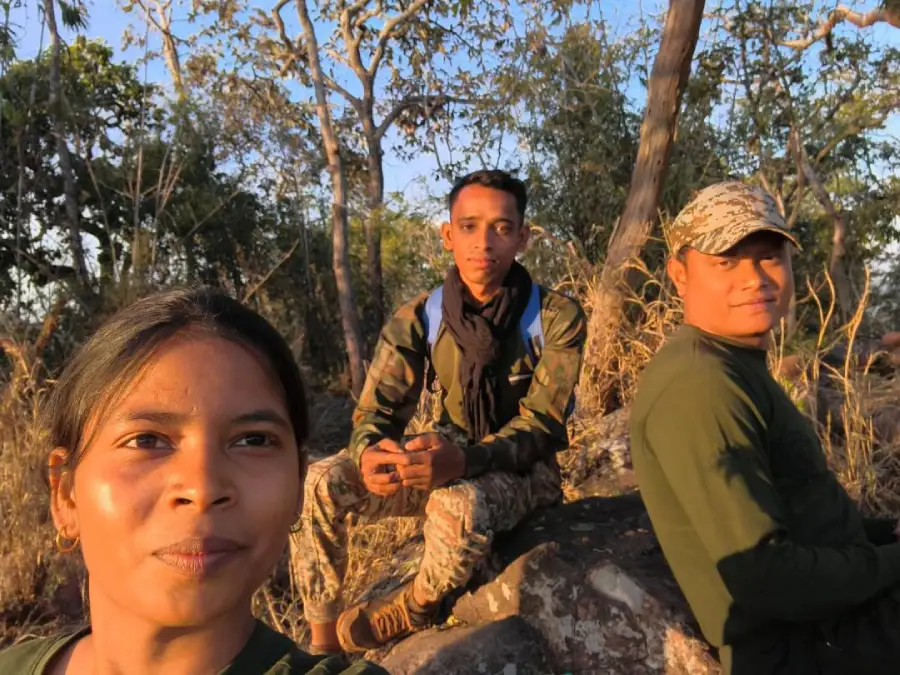
The seasons also brought in their wake extreme challenges. In the Bastar region, summers can be quite harsh with temperatures touching 40 degrees and above. “Sometimes, the combat uniform which is excellent for camouflage inside jungles felt so hot and heavy, that some of us preferred to wear T-shirts which are stretchable.” Besides the heat, flies also made life unbearable. In the rainy season, there was no opportunity to change wet clothes and shoes, which led to skin infections.
But the operations could not be halted during the monsoon as there were apprehensions that the insurgents would use the time lapse to gather themselves.
Amrita shared that most of the times, Maoists relied on IED blasts and refrained from bullets, except in those times when it helped them to escape. It meant carrying metal detectors during ops and avoiding vehicles as much as possible while visiting places.
She pointed out that one had to always remain alert during the operations. Often, the first duty was self-protection, and to ensure the safety of team members. Even with the opposite side, all of us aimed for their surrenders.
“I used to feel afraid initially, but it was a good experience. Only a few female officers had been on these ops. Many prefer office work. I also thought I would be spared. But a senior officer told me that I should not remain at the desk. Women cannot always remain behind. If we don’t take responsibility, how will we achieve high positions?”
Those Maoists who surrendered have been placed in various camps and are now being trained in stitching and driving, with some undergoing computer skills.
Nights In The Jungle
On one occasion, Amrita and her team reached Nilangur located in the forested and hilly Abujhmad region, once considered the Maoist headquarters, and another place called Laheri village in Gadchiroli, Maharashtra, close to the Chhattisgarh border where they remained for a few nights at a stretch.
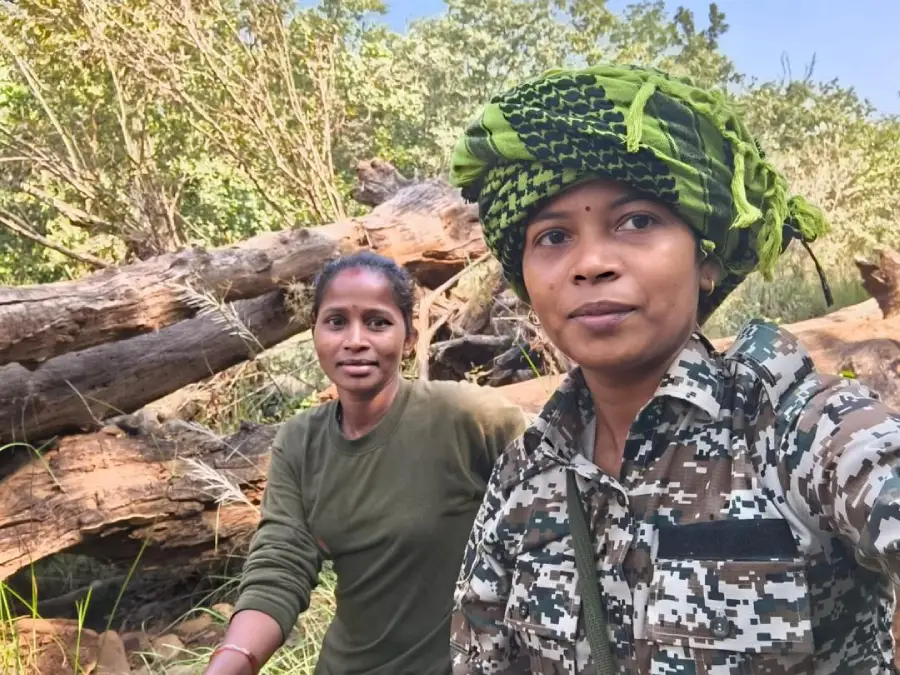
Nights inside the jungle were not easy. Sometimes, camps were erected but otherwise forces slept on bare rocks. “Food wasn’t an issue though. Most of the times, we carried small cylinders and stoves for proper cooking inside the forest. This was useful during the rains. After all, we needed strength to be on our feet the next day,” she said.
Besides insurgents, the officer also encountered wildlife. Once my team came face to with a bear which was as surprised as we were. But it decided to walk away after seeing so many of us together. Surprisingly, she never encountered snakes, but mosquitoes meant use of strong repellents. It may be possible that snakes kept away due to the vibrations of so many feet walking together.
Amrita pointed out women officers connect well with people and especially those who have surrendered and started on a new life path. She admitted that there was once a plan to form an all-female anti-Maoist operation force, but for the time being insurgency seems a shadow of the past.
One of her best memories has been to help officials conduct elections for the first time in the interior areas.