




• About
  • Contact
  • Sitemap
  • Gallery
No Result
View All Result
Vacancies
Friday, June 12, 2026
The Indian Tribal
  • Home
  • Achievers
    • उपलब्धिकर्ता
  • Cuisine
    • खान पान
  • Health
    • स्वास्थ्य
  • Legal
    • कानूनी
  • Music
    • संगीत
  • News
    • Updates
    • खबरें
  • Sports
    • खेलकूद
  • Variety
    • विविध
  • हिंदी
    • All
    • आदिवासी
    • उपलब्धिकर्ता
    • कला और संस्कृति
    • कानूनी
    • खबरें
    • खान पान
    • खेलकूद
    • जनजाति
    • भारत
    • विविध
    • संगीत
    • संस्कृति
    • स्वास्थ्य
    The Indian Tribal

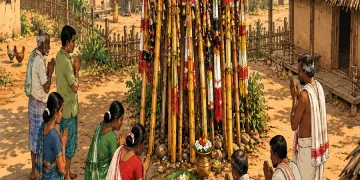
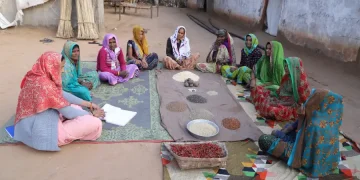
    मध्य प्रदेश के सहरिया आदिवासियों ने भूख से लड़ने के लिए अपनाए पारंपरिक तरीके

    The Indian Tribal

    झारखण्ड में विद्यार्थियों को ई-साइकिल देने की तैयारी, कौशल विकास को भी व्यवहारिक बनाने पर मुख्यमंत्री का ज़ोर

    The Indian Tribal

    बचपन में नक्सलियों को करीब से देखा, अब उनके खिलाफ अभियान चलाए

    The Indian Tribal

    भारत के जलवायु लक्ष्यों और कार्बन सिंक पर असर डाल सकता है आदिवासी वनाधिकारों का कमजोर होना

    The Indian tribal

    छत्तीसगढ़ के बारनवापारा अभयारण्य में महिला आदिवासी वनरक्षक की अनोखी मुहिम

    The Indian Tribal

    आदिवासी बनाम आदिवासी: जनजातीय सांस्कृतिक समागम के बहिष्कार की आदिवासी संगठनों की अपील

    The Indian Tribal

    आदिवासी विरोध के बीच बड़ा सवाल: क्या केन-बेतवा परियोजना के बिना बुंदेलखंड का जल संकट सुलझ सकता है?

    The Indian tribal

    डायन प्रथा के पीड़ितों के पुनर्वास को न्याय का केंद्र बनाने पर ज़ोर

  • Gallery
    • Videos
  • Latest News
The Indian Tribal
  • Home
  • Achievers
    • उपलब्धिकर्ता
  • Cuisine
    • खान पान
  • Health
    • स्वास्थ्य
  • Legal
    • कानूनी
  • Music
    • संगीत
  • News
    • Updates
    • खबरें
  • Sports
    • खेलकूद
  • Variety
    • विविध
  • हिंदी
    • All
    • आदिवासी
    • उपलब्धिकर्ता
    • कला और संस्कृति
    • कानूनी
    • खबरें
    • खान पान
    • खेलकूद
    • जनजाति
    • भारत
    • विविध
    • संगीत
    • संस्कृति
    • स्वास्थ्य
    The Indian Tribal

    मध्य प्रदेश के सहरिया आदिवासियों ने भूख से लड़ने के लिए अपनाए पारंपरिक तरीके

    The Indian Tribal

    झारखण्ड में विद्यार्थियों को ई-साइकिल देने की तैयारी, कौशल विकास को भी व्यवहारिक बनाने पर मुख्यमंत्री का ज़ोर

    The Indian Tribal

    बचपन में नक्सलियों को करीब से देखा, अब उनके खिलाफ अभियान चलाए

    The Indian Tribal

    भारत के जलवायु लक्ष्यों और कार्बन सिंक पर असर डाल सकता है आदिवासी वनाधिकारों का कमजोर होना

    The Indian tribal

    छत्तीसगढ़ के बारनवापारा अभयारण्य में महिला आदिवासी वनरक्षक की अनोखी मुहिम

    The Indian Tribal

    आदिवासी बनाम आदिवासी: जनजातीय सांस्कृतिक समागम के बहिष्कार की आदिवासी संगठनों की अपील

    The Indian Tribal

    आदिवासी विरोध के बीच बड़ा सवाल: क्या केन-बेतवा परियोजना के बिना बुंदेलखंड का जल संकट सुलझ सकता है?

    The Indian tribal

    डायन प्रथा के पीड़ितों के पुनर्वास को न्याय का केंद्र बनाने पर ज़ोर

  • Gallery
    • Videos
  • Latest News
No Result
View All Result
The Indian Tribal
No Result
View All Result
  • Home
  • Achievers
  • Cuisine
  • Health
  • Legal
  • Music
  • News
  • Sports
  • Variety
  • हिंदी
  • Gallery
  • Latest News
Vacancies
Home » The Indian Tribal / Variety » Census 2027 And The Seventh Column Debate: Why Tribes Are Seeking a Separate Religion Column?

Census 2027 And The Seventh Column Debate: Why Tribes Are Seeking a Separate Religion Column?

From Madhya Pradesh to Jharkhand to Chhattisgarh, tribal communities are calling for distinct recognition of their traditional faiths in the national Census. They argue that a separate code is essential to prevent the statistical dilution of indigenous religious identities. Vishal Tiwari takes a closer look

June 12, 2026
The Indian Tribal

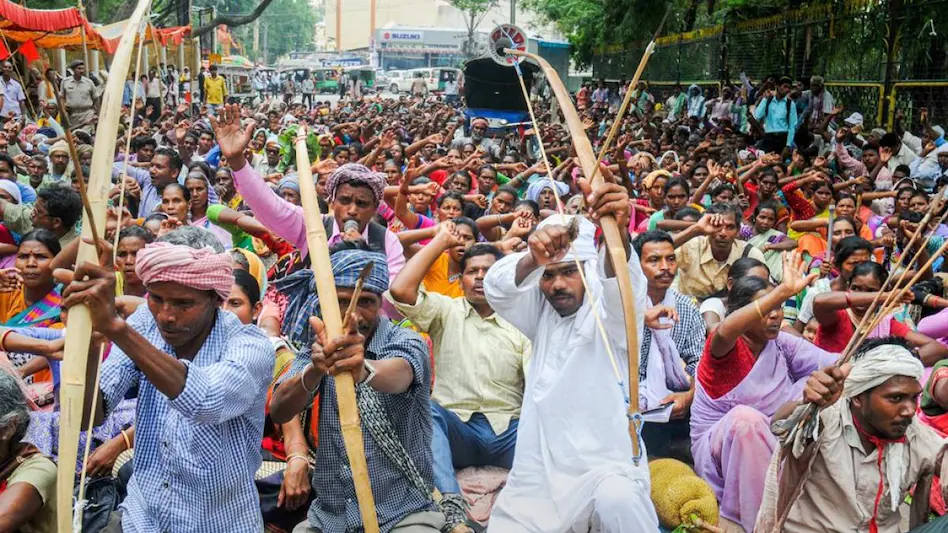
Tribals Demonstrating In Support Of Their Demand For Separate Sarna Religious Code

Sagar/New Delhi

The upcoming Census 2027 is likely to be more than just a demographic exercise, it represents a critical effort to reclaim the distinct identity of India’s original inhabitants. From the ancient peaks of Amarkantak to the administrative corridors of Bhopal, a singular, defiant voice is echoing: “We are not just forest dwellers; we are the original inhabitants with a faith of our own.”

Beginning in April 2026, when the first phase of Census 2027 commenced, the tribal regions of Madhya Pradesh, home to more than 1.53 crore Scheduled Tribes who constitute 21.1 per cent of the state’s population, became the focal point of a significant movement.

Initiated by Umang Singhar, Leader of Opposition, Madhya Pradesh Assembly, tribal representatives made an explicit plea to the Central Government to include a ‘Tribal/Adivasi Religion Code’ in the upcoming Census to preserve their distinct religious identity. It is an attempt not merely to add another religion category but to resist what supporters describe as a process of classification erasure.

Understanding Classification Erasure

The current Census framework provides only six religious codes. In the absence of a dedicated category, the demand for a separate “Seventh Column” has emerged as a fundamental necessity for those seeking to prevent the administrative absorption of tribal faiths and ensure their survival in official records.

A concerning trend has emerged in India’s population data. Jharkhand Chief Minister Hemant Soren has pointed out that in his state, the proportion of tribals recorded in Census data declined from 38 per cent to 26 per cent over the past eight decades. Supporters of a separate code argue that this decline does not necessarily indicate a biological reduction in population but reflects what they describe as “classification erasure” — a bureaucratic process through which the unique identity of a group disappears from official records when individuals are compelled to classify themselves under broader categories.

The debate is further complicated by differing terminologies. There has been sustained discussion over the use of the term “Vanvasi,” referring to forest dwellers and often associated with a broader Hindu cultural framework, versus “Adivasi,” meaning original inhabitants, a term widely preferred by tribal leaders and organisations.

According to the 2011 Census, India has more than 104 million Scheduled Tribes, but only about 0.7 per cent were recorded under the “Other Religions and Persuasions” category. Scholar Dr Vinay N. Patel describes this phenomenon as “non-tribalisation,” arguing that the absence of a separate category for indigenous faiths results in the overwhelming majority of tribals being classified under larger religious categories.

Census data show that about 89 per cent of Scheduled Tribes were recorded as Hindus and 5.53 per cent as Christians. Supporters contend that the removal of the “Animist” category after 1951 contributed to what has been termed “statistical assimilation”.

Many activists also fear that the continued absence of a distinct tribal religion category could have implications for protections related to land rights, self-governance provisions under the Panchayats (Extension to Scheduled Areas) Act (PESA), and reservation policies, particularly in future debates surrounding a Uniform Civil Code.

The Legal Paradox: Separate In Law, Lost In Data

There is a notable irony within India’s legal framework. Section 2(2) of both the Hindu Marriage Act, 1955, and the Hindu Succession Act, 1956, states that these laws do not apply to members of Scheduled Tribes unless the government specifically directs otherwise. This provision acknowledges the existence of distinct tribal customary laws and traditions.

However, the Census of India recognises only six major religious categories: Hinduism, Islam, Christianity, Sikhism, Buddhism and Jainism. The number of Scheduled Tribe individuals is expected to exceed 110 million by 2026. Despite this substantial population, proponents argue that tribal faiths remain largely invisible in official religious classification systems. In the absence of a dedicated code, individuals often have to choose a mainstream religion or be grouped under the broad “Others” category.

Ecological Theology: The World’s Greenest Faiths

Beyond politics and administration, supporters frame the demand as one of environmental preservation. Faith traditions such as Sarna and Koya Punem regard nature — including mountains, rivers and sacred groves — as central to their spiritual worldview.
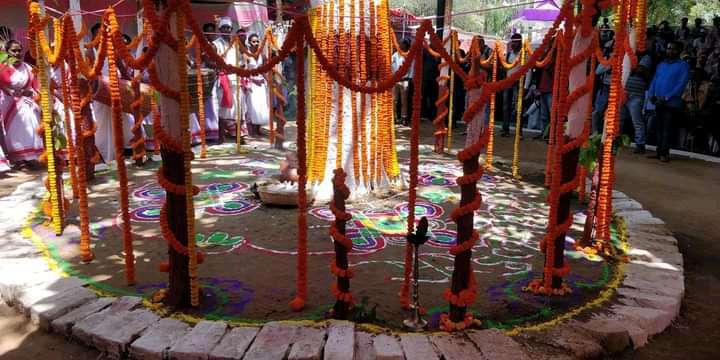
Sarna Sthal | The Indian Tribal
At the Sarna Sthal, tribals sing and dance to the tunes of traditional musical instruments

Derived from the Mundari word for “sacred grove”, Sarna is a nature-centric belief system rooted in oral traditions that revere forests, rivers and hills as sacred entities. Advocates argue that recognising such traditions as distinct faiths could strengthen efforts to protect ecologically significant landscapes and highlight indigenous environmental knowledge at a time of growing concern over climate change.

A Unified Struggle Across Regions

While the demand is broadly similar, different tribal communities use different names for their faith traditions:

RegionPrimary Demand Major Tribal Groups
Madhya PradeshKoya Punem/Koitur Gond, Bhil and Sahariya
Jharkhand, West BengalSarna Code Santhal, Munda, Ho and Oraon
ChhattisgarhAdivasi Dharma Madia, Gond and Asur

The Identity Paradox: Conversion And Changing Statistics

The absence of a separate religion code has also generated debate around religious conversion and changing demographic patterns.

The Xaxa Committee Report (2014), drawing on the observations of anthropologist Verrier Elwin, noted that increasing interaction with external groups has often been accompanied by a weakening of traditional tribal control over land, forests and cultural institutions.

Changes in religious demographics between the 2001 and 2011 Censuses are frequently cited in this discussion:

  • Christianity among Scheduled Tribes increased by 63 per cent, from 63.90 lakh to 1.03 crore.
  • Islam among Scheduled Tribes increased by 51.6 per cent, from 12.25 lakh to 18.58 lakh.
  • More than 89 per cent of Scheduled Tribes were recorded under Hinduism.

The interpretation of these figures remains contested. In 2021, BJP MP Sanjay Seth raised concerns in the Lok Sabha regarding alleged conversion activities during the Covid-19 lockdown. Tribal leaders, including several advocates of the Sarna Code movement, argue that both religious conversion and statistical absorption into larger religious categories contribute to the apparent decline in the recorded tribal share of the population in states such as Jharkhand.

According to Dr Vinay N. Patel, religious conversion among tribal communities has also produced a range of social and cultural challenges. These include divisions between Christian and non-Christian groups, the emergence of new internal hierarchies, identity dilemmas among converts and the gradual weakening of traditional institutions and cultural practices. Critics argue that these developments can contribute to cultural dissonance and the erosion of indigenous identities.

The Road to Census 2027: Breaking the Digital Wall

With the Census process increasingly moving towards digital enumeration, supporters warn of the possibility of what they term “technological erasure.” They argue that if Census software does not provide a dedicated option for tribal religions, enumerators may default to mainstream religious categories.

Several proposals have emerged to address the issue:

  1. Updating the Census Code Directory: Assigning dedicated numerical codes to tribal faiths.
  2. Adopting the Jharkhand Model: Following the 2020 Jharkhand Assembly resolution that sought official recognition of the Sarna religion code.
  3. Addressing Constitutional and Legal Questions: Aligning Census classification practices with the recognition of tribal customary laws under existing legislation and exploring the framework for a distinct Tribal Personal Law system.

For the leaders and supporters of this movement, the objective is clear. They want Census 2027 to recognise the worship of Jal, Jungle and Zameen as a distinct, protected and sovereign spiritual tradition, rather than as a subset of any larger religious category. As India prepares for its next Census, the debate over a separate Tribal Religion Code is likely to become one of the most closely watched questions in the broader discourse on identity, representation and indigenous rights.

(The writer is a research scholar and Senior Research Fellow (SRF) at Dr. Harisingh Gour Central University, Sagar, Madhya Pradesh. Views expressed are personal.)


Root Woot | Online Puja Samagri Root Woot | Online Puja Samagri Root Woot | Online Puja Samagri

In Numbers

49.4 %
Female Literacy rate of Scheduled Tribes

Update

सरना कोड व परिसीमन पर आंदोलन का ऐलान

आदिवासी छात्र संघ, झारखंड, राजी पड़हा सरना प्रार्थना सभा भारत और सरना धर्म सोतो: समिति, खूंटी, झारखण्ड, ने संयुक्त रूप से परिसीमन, जनगणना में सरना धर्म कोड तथा पाँचवीं अनुसूची क्षेत्रों की सुरक्षा को लेकर राज्यव्यापी चरणबद्ध आंदोलन की घोषणा की है। संगठनों ने कहा कि झारखंड की ऐतिहासिक, सांस्कृतिक, सामाजिक और संवैधानिक पहचान से जुड़े मुद्दों की लगातार उपेक्षा की जा रही है, जिससे आदिवासी समाज में चिंता और असंतोष बढ़ रहा है। संगठनों ने मांग की कि प्रस्तावित परिसीमन में अनुसूचित जनजातियों के राजनीतिक प्रतिनिधित्व की पूर्ण सुरक्षा सुनिश्चित की जाए, जनगणना में सरना धर्म के लिए पृथक धर्म कोड लागू किया जाए तथा पाँचवीं अनुसूची और पेसा कानून के प्रावधानों का प्रभावी क्रियान्वयन किया जाए। उन्होंने अनुसूचित जनजातियों के लिए आरक्षित सीटों और राजनीतिक अधिकारों में किसी भी प्रकार की कटौती का विरोध किया। संगठनों के अनुसार आंदोलन के पहले चरण में ज्ञापन सौंपा जाएगा, दूसरे चरण में जनजागरण अभियान और प्रेस वार्ताएं आयोजित होंगी, जबकि तीसरे चरण में जिला एवं प्रखंड स्तर पर धरना-प्रदर्शन किया जाएगा। उन्होंने केंद्र और राज्य सरकार से शीघ्र सकारात्मक निर्णय लेने की मांग की है।
The Indian Tribal
Adivasi

Grassroots Politics In Tribal Kinnaur Gets Redefined By Young Voice Of Ecological Democracy

by The Indian Tribal
June 7, 2026

Emerging from the backdrop of a movement against unchecked development, a 31-year-old’s victory reflects how the youth’s environmental concerns are increasingly shaping conversations around governance and democracy, writes Aanchal Seth

The Indian Tribal

In Chhattisgarh’s Udanti-Sitanadi Tiger Reserve Tribal Trackers, AI Combine To Save Some Rare Species

June 4, 2026
The Indian Tribal

झारखण्ड में विद्यार्थियों को ई-साइकिल देने की तैयारी, कौशल विकास को भी व्यवहारिक बनाने पर मुख्यमंत्री का ज़ोर

June 1, 2026
The Indian Tribal

बचपन में नक्सलियों को करीब से देखा, अब उनके खिलाफ अभियान चलाए

June 1, 2026
The Indian Tribal

भारत के जलवायु लक्ष्यों और कार्बन सिंक पर असर डाल सकता है आदिवासी वनाधिकारों का कमजोर होना

May 27, 2026
The Indian tribal

छत्तीसगढ़ के बारनवापारा अभयारण्य में महिला आदिवासी वनरक्षक की अनोखी मुहिम

May 22, 2026
Previous Post

मध्य प्रदेश के सहरिया आदिवासियों ने भूख से लड़ने के लिए अपनाए पारंपरिक तरीके

Top Stories

The Indian Tribal
आदिवासी

मध्य प्रदेश के सहरिया आदिवासियों ने भूख से लड़ने के लिए अपनाए पारंपरिक तरीके

June 10, 2026
Jharkhand High Court | The Indian Tribal
Adivasi

Jharkhand High Court Seeks Response On Allegations Of Transfer Of Tribal Land To Christian Missionary Institutions

June 9, 2026
Hemant Soren
Adivasi

Setback To Hemant Soren, PMLA Court Refuses To Drop Land Scam Charges

June 8, 2026
Load More
  • About Us
  • Editor & Writers
  • Contact
  • Redressal
  • Copyright Policy
  • Privacy Policy And Terms Of Use
  • Disclaimer
  • Sitemap

  • Achievers
  • Cuisine
  • Health
  • Hindi Featured
  • India
  • News
  • Legal
  • Music
  • Sports
  • Trending
  • Chhattisgarh
  • Delhi
  • Gujarat
  • Jammu & Kashmir
  • Jharkhand
  • Kerala
  • Madhya Pradesh
  • Maharashtra
  • North East
  • Arunachal Pradesh
  • Assam
  • Manipur
  • Meghalaya
  • Mizoram
  • Nagaland
  • Sikkim
  • Tripura
  • Odisha
  • Telangana
  • West Bengal
  • Political News
  • Variety
  • Art & Culture
  • Entertainment
  • Adivasi
  • Tribal News
  • Scheduled Tribes
  • हिंदी
  • उपलब्धिकर्ता
  • कानूनी
  • खान पान
  • खेलकूद
  • स्वास्थ्य
  • संस्कृति
  • संगीत
  • विविध
  • कला और संस्कृति
  • खबरें
  • असम की ताज़ा ख़बरें
  • अरुणाचल प्रदेश की ताज़ा ख़बरें
  • ओडिशा की ताज़ा ख़बरें
  • केरल की ताज़ा ख़बरें
  • गुजरात की ताज़ा ख़बरें
  • छत्तीसगढ़
  • जम्मू और कश्मीर की ताज़ा ख़बरें
  • झारखंड न्यूज़
  • तेलंगाना की ताज़ा ख़बरें
  • दिल्ली
  • नॉर्थईस्ट की ताज़ा ख़बरें
  • पश्चिम बंगाल की ताज़ा ख़बरें
  • मध्य प्रदेश की ताज़ा ख़बरें
  • महाराष्ट्र की ताज़ा ख़बरें
  • त्रिपुरा की ताज़ा ख़बरें
  • नागालैंड की ताज़ा ख़बरें
  • मणिपुर की ताज़ा ख़बरें
  • मिजोरम की ताज़ा ख़बरें
  • मेघालय की ताज़ा ख़बरें
  • सिक्किम की ताज़ा ख़बरें
  • राजस्थान की ताज़ा ख़बरें

About Us

The Indian Tribal is India’s first bilingual (English & Hindi) digital journalistic venture dedicated exclusively to the Scheduled Tribes. The ambitious, game-changer initiative is brought to you by Madtri Ventures Pvt Ltd (www.madtri.com). From the North East to Gujarat, from Kerala to Jammu and Kashmir — our seasoned journalists bring to the fore life stories from the backyards of the tribal, indigenous communities comprising 10.45 crore members and constituting 8.6 percent of India’s population as per Census 2011. Unsung Adivasi achievers, their lip-smacking cuisines, ancient medicinal systems, centuries-old unique games and sports, ageless arts and crafts, timeless music and traditional musical instruments, we cover the Scheduled Tribes community like never-before, of course, without losing sight of the ailments, shortcomings and negatives like domestic abuse, alcoholism and malnourishment among others plaguing them. Know the unknown, lesser-known tribal life as we bring reader-engaging stories of Adivasis of India.

Follow Us

All Rights Reserved

© 2026 Madtri Ventures [P] Ltd.

No Result
View All Result
  • Home
  • Achievers
  • Cuisine
  • Health
  • Health
  • Legal
  • Music
  • News
  • Sports
  • Variety
  • हिंदी
    • उपलब्धिकर्ता
    • खान पान
    • कानूनी
    • खेलकूद
    • खेलकूद
    • संगीत
    • संगीत
    • स्वास्थ्य
    • स्वास्थ्य
    • विविध
  • Gallery
  • Videos

© 2026 Madtri Ventures [P] Ltd.