







Ranchi
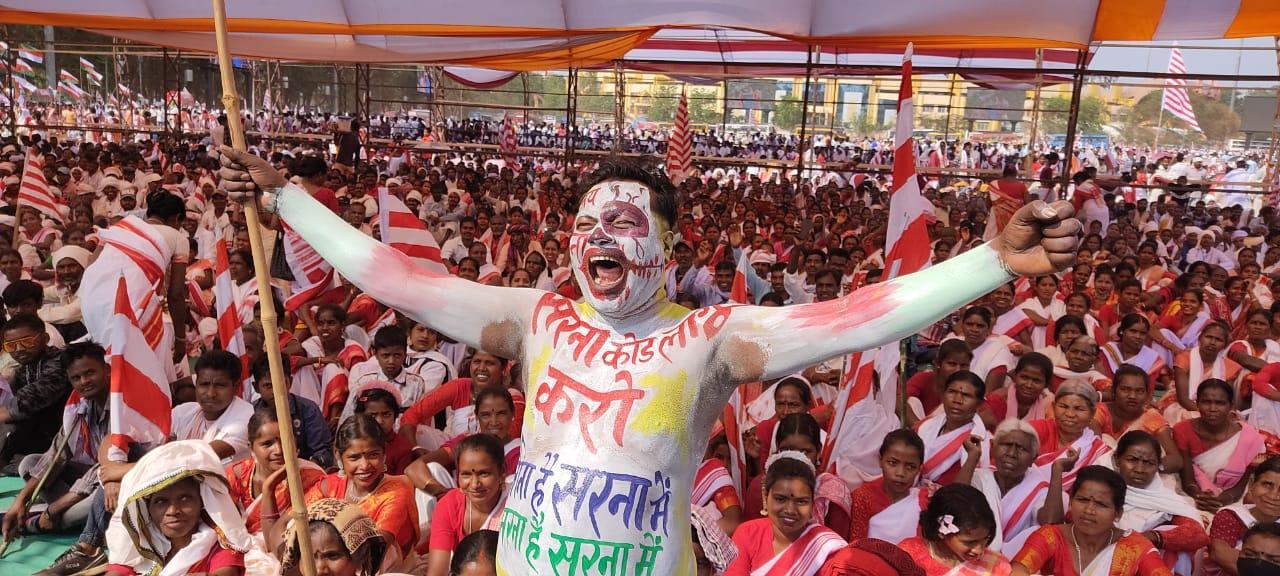
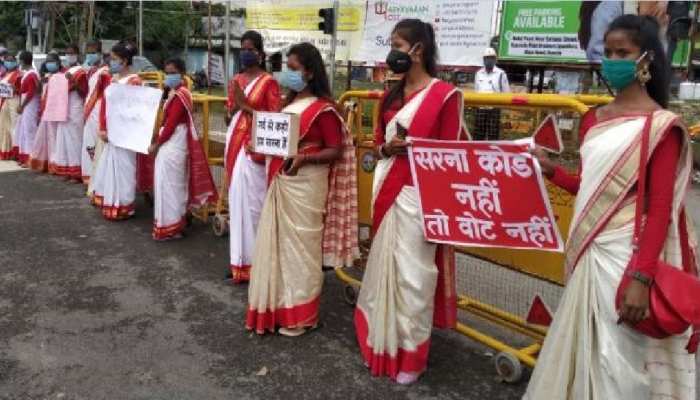
Jharkhand Chief Minister Hemant Soren has written to President Droupadi Murmu, Prime Minister Narendra Modi and State Governor Santosh Gangwar, urging them to include a separate Sarna religion code in the ongoing Census, arguing that it is essential for preserving the identity and constitutional rights of tribal communities.
In his letters, Soren stressed that the Sarna Religious Code is crucial to distinguish tribal communities from followers of other religions and to ensure their proper recognition in official records. He pointed out that despite the absence of a designated Sarna category in the 2011 Census, nearly 50 lakh people across 21 states identified themselves under “Sarna” in the religion column.
Highlighting the emotional and cultural significance of the demand, Soren wrote, “I hope that in the second phase of the census, your government is seriously considering my special request, keeping in mind the aspirations of the state, the resolution of the Legislative Assembly, the sentiments of the entire tribal society, and the request made by me on behalf of the state government regarding the form/column related to religion information.”
He emphasised that accurate and “fact-based” data collection is essential for effective policy-making and balanced development. The Chief Minister also underlined that Jharkhand is fully cooperating with the Census exercise, which was originally scheduled for 2021 but had to be postponed.
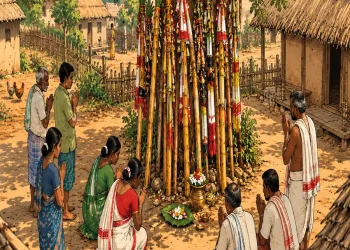
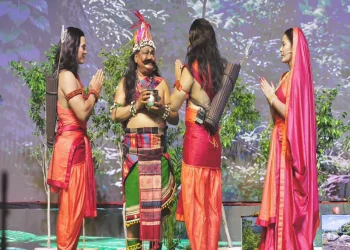
Soren noted that the Sarna faith, followed widely among tribal communities, is rooted in nature worship, reverence for village deities and distinct rituals. He argued that formal recognition in Census data would enable more targeted welfare policies and strengthen constitutional safeguards for tribal populations.
Addressing concerns about operational challenges, he acknowledged that adding new categories could complicate enumeration, but maintained that the long-term benefits of accurate socio-religious data outweigh such difficulties.
In an earlier communication, Soren had flagged a decline in the tribal population in Jharkhand—from 38 per cent to around 26 per cent over the past eight decades—and linked the Sarna code demand to identity preservation. He stated, “Today, the demand for Tribal/Sarna Religious Code is being raised so that this nature-worshipping tribal community can be confident about its identity.”
He also drew a broader policy contrast, saying that when discussions around a Uniform Civil Code are gaining traction, “positive initiative on the demand of Tribal/Sarna community is absolutely necessary.”
Background And Political Perspective:
The Sarna religion, practised by tribal communities across Jharkhand and neighbouring states, is based on nature worship and community traditions. The absence of a separate Census code has long been a point of contention, with followers often being grouped under broader religious categories.
The Jharkhand Assembly had passed a resolution in 2020 recommending a separate Sarna column in the Census. The issue has since evolved into a major political and identity-based demand.
Politically, the Sarna code remains a key issue in Jharkhand, where tribal voters play a decisive role. The ruling Jharkhand Mukti Morcha has consistently backed the demand, framing it as a matter of identity and rights, while opposition parties have taken more cautious positions. With elections approaching, the renewed push is likely to intensify debate around tribal representation and federal policy decisions.