




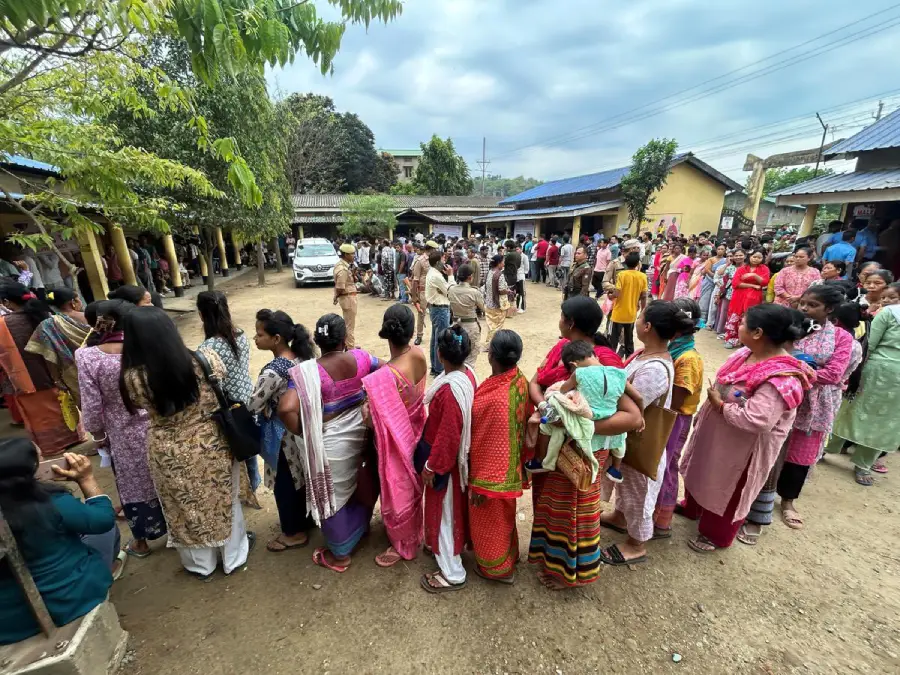
New Delhi
The strong turnout across Assam, Kerala and Puducherry signals high voter engagement and polarised stakes. While Assam tests BJP’s incumbency strength, Kerala remains ideologically contested, and Puducherry goes for a tight coalition battle.
Puducherry recorded the highest turnout at 89.83 per cent, followed by Assam at 85.38 per cent, while Kerala registered 78.03 per cent The polling percentage may or may not see a marginal rectification. And, yet again, women voters outnumbered their male counterparts in exercising their franchise.
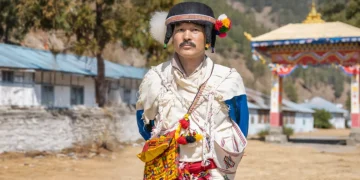
As for the tribal factor, there are 39 seats reserved for the Scheduled Tribes (ST) in the four States. Twenty-One ST seats — 19 in Assam and two in Kerala — went to polls on Thursday while the remaining 18 ST seats would go to polls during the two phases in West Bengal (16 seats) on April 23 and April 29 and in the single phase in Tamil Nadu (2 seats) on April 23.
ASSAM: BJP Vs CONGRESS-LED ALLIANCES, AND THE JMM QUESTION
In the highly-polarised State, voters came out in large numbers to register a historical turnout of 85.38 per cent, surpassing the previous highest figure of 84.67 per cent in the 2016 elections.
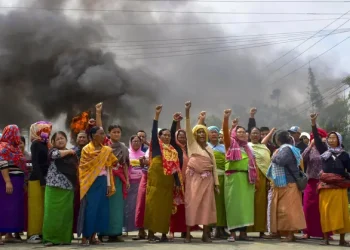
The poll percentage in 16 constituencies, mostly in minority-dominated areas, crossed the 90-per cent mark, while 83 constituencies witnessed polling in the range of 80-89 per cent. The rest saw a voter turnout between 70 and 79 per cent. Around 30 people were injured and seven arrested in connection with poll-related violence.
The contest is clearly bipolar, with the BJP-led NDA (often under the broader NEDA framework) facing off against the Congress-led opposition alliance. The BJP is seeking a third consecutive term, projecting governance achievements, infrastructure expansion, strong leadership, especially against Bangladeshi infiltrators.
The Congress and its allies are attempting to regain lost ground by consolidating minority votes, regional sentiments, and anti-incumbency factors, particularly in constituencies where margins were previously narrow.
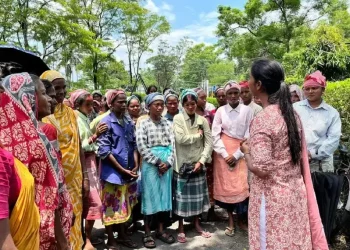
The battle in Assam is also deeply shaped by identity politics, ethnic alignments, and regional aspirations. Tribal belts, Upper Assam, and Barak Valley each present distinct electoral dynamics. The BJP has worked to expand its base among tribal and indigenous communities, while the Congress-led alliance is trying to rebuild coalitions that historically supported it. In such a scenario, turnout patterns—especially in rural and tribal areas—are critical indicators of which side has succeeded in mobilising its core base.
The entry of Jharkhand Mukti Morcha (JMM) is unlikely to significantly alter the broader electoral outcome in Assam. However, in a few ST-reserved constituencies which also have a sizeable population of tea tribes, even a marginal vote split could influence close contests.
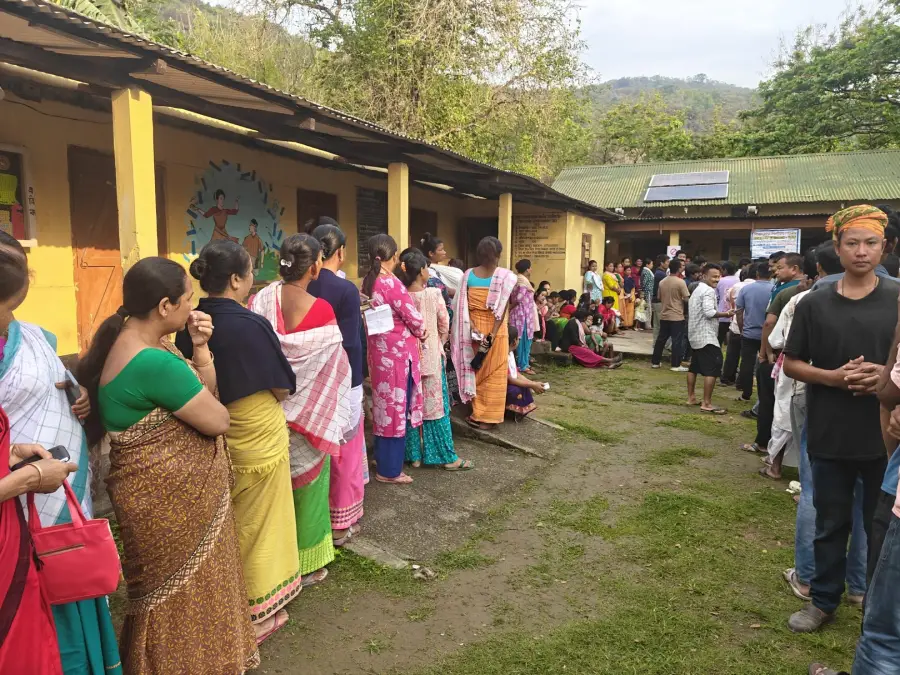
KERALA: THREE-WAY CONTEST (LDF–UDF–BJP)
Unlike Assam and Puducherry, Kerala did not witness a record-shattering turnout, which though was not bad enough at 78.01 pc. It recorded the highest voter turnout ever in 1960 at 85.77%.
Kerala’s electoral arena remains defined by a structured but evolving three-way contest between the Left Democratic Front (LDF), the United Democratic Front (UDF) led by Congress, and the BJP-led NDA attempting to expand its footprint.
The LDF, as the incumbent, has anchored its campaign on governance continuity, welfare delivery, and administrative stability—seeking to break the state’s long-standing pattern of alternating governments. The UDF, on the other hand, has focused on mobilising anti-incumbency sentiment, highlighting economic concerns, unemployment, and governance fatigue, while relying on its deep organisational network.
The BJP’s role, while still electorally limited in terms of seats, has grown strategically significant. It is targeting incremental gains in select constituencies, particularly urban pockets and areas where it has previously improved vote share. Its campaign has emphasised development, national leadership, and outreach among communities where it seeks to make inroads. Even a marginal rise in vote share for the BJP has the potential to alter outcomes in tightly contested seats by splitting votes, especially between the LDF and UDF.
The triangular nature of the contest ensures that victory margins in Kerala are often narrow and highly sensitive to local dynamics. While the LDF seeks to consolidate its welfare plank, the UDF is banking on consolidation of opposition votes, and the BJP is aiming to emerge as a decisive third force—making Kerala one of the most nuanced electoral theatres in this cycle.
PUDUCHERRY – COALITION BATTLEGROUND
Puducherry, with 30 Assembly seats, recorded 89.83% voter turnout — the highest in the 63-year history of the Union Territory. Its earlier highest voter turnout percentage stood at 86.19% in 2011. During the last Assembly election in 2021, the UT registered 82.2% votes.
The fight is between the NDA, led by the All India N.R. Congress (AINRC) and the INDIA bloc comprising Congress, DMK and the VCK. Actor-politician Vijay’s TVK’s entry has made the equations more interesting. Also, actor-director Seeman’s NTK has queered the pitch for the rivals.