


Banswara
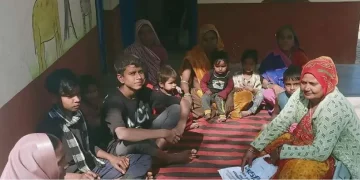
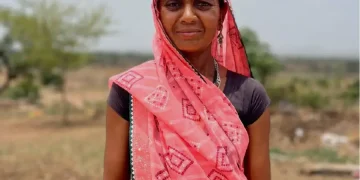
Mani Devi’s story is one of courage and social transformation. She spent her childhood in Jaithaliya village, where the future of girls was decided very early. Most girls were married before reaching adulthood, withdrawn from school, and burdened with responsibilities they had never chosen. For years, this was considered normal, but Mani decided to challenge it.
Her journey began when she joined Vagadhaara and started participating in meetings of the Kisan and Adivasi Swaraj Organization. There, she gained confidence to speak openly about child rights, laws against child marriage, and social issues. Listening to women from other villages, she realized that change was possible—even within her own community.
When Mani first raised her voice against child marriage and untouchability, villagers and relatives reacted with disbelief and resistance. But she continued her efforts calmly and persistently. Gradually, her confident voice began influencing others.
A significant turning point came when she learned that a thirteen-year-old girl in her village was about to be married. Mani went directly to the family and explained the legal, health, and social consequences of child marriage. When the family refused to listen, she sought support from the Panchayat and informed Childline. The marriage was stopped, marking the first successful intervention of its kind in the village. After that, Mani did not step back.
She intervened in other cases as well, physically stopping wedding ceremonies when necessary and contacting the police with the support of Vagadhaara. So far, she has successfully prevented more than five child marriages. Gradually, her efforts have built a collective understanding in the village that child marriage is harmful and illegal.
Mani Devi says, “When I first spoke about stopping child marriage, people laughed and tried to intimidate me. But when the first girl’s marriage was stopped and she returned to school, I realized that change is greater than fear.”
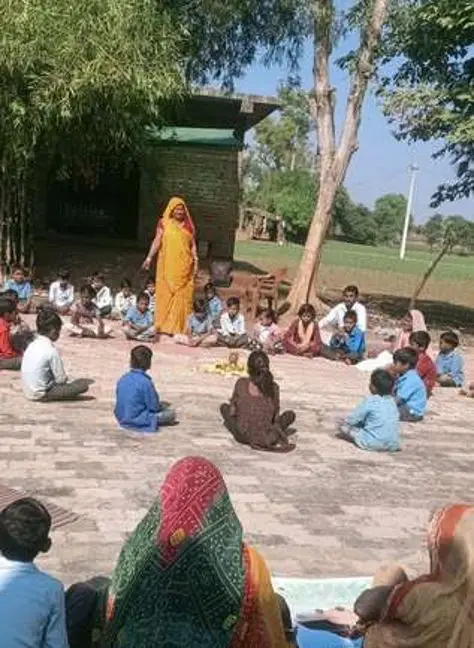
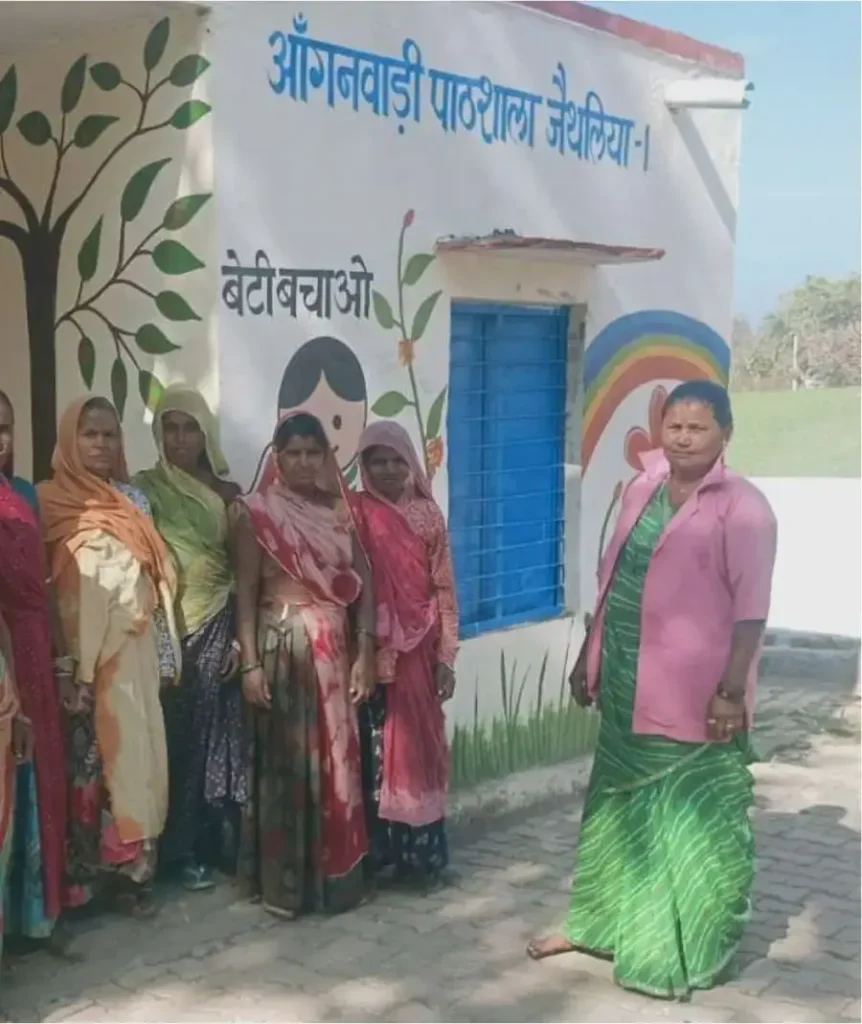
Mani soon understood that preventing child marriage required keeping girls in school. She went door-to-door in her village and nearby areas, especially meeting families whose daughters had dropped out due to migration or economic pressure. She encouraged parents to send their daughters back to school, explaining that educated girls would secure a better future not only for themselves but also for the village.
Many families agreed. Several girls returned to school, and some families even stopped migrating for work. Today, parents openly acknowledge her role, saying their daughters are studying again because of Mani. Kirpa Vasudev Ninama from Mani Devi’s village said, “She made us understand that if a daughter studies, the family becomes stronger. If she had not been there, my daughter would also have been married as a child.”
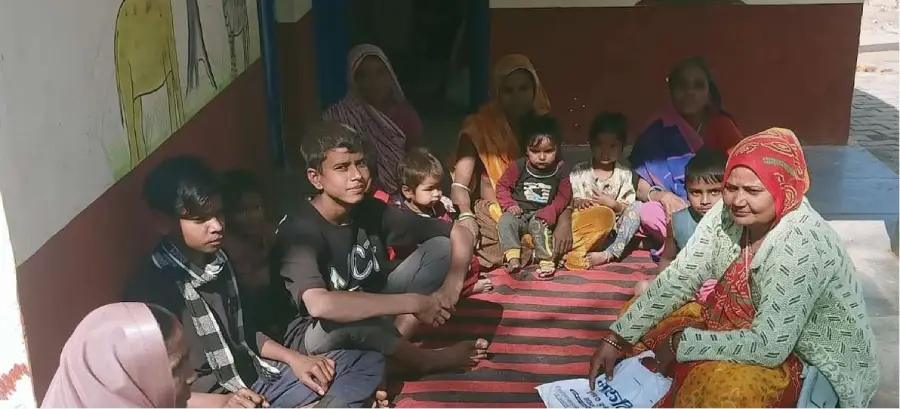
Using her role as an Anganwadi worker, Mani also strengthened health and nutrition services in Jaithaliya. With the support of Vagadhaara, she ensured timely care for pregnant women and newborns, organized vaccination and nutrition check-up camps, and promoted nutrition gardens with indigenous plants.
She personally monitored the Anganwadi kitchen to ensure children received clean and nutritious meals and conducted regular awareness sessions for mothers. From challenging deep-rooted social norms to ensuring education, health, and dignity for girls, Mani’s journey shows how a determined woman, with collective support, can transform an entire community.
(Vikas Meshram is a social development worker and writer)