

New Delhi
The Tribes Art Fest (TAF) 2026 —inaugurated on March 2 and to be held till March 13 at the Travancore Palace in the national capital — is an immersive programme including curated walkthroughs, live painting demonstrations, illustrated talks, thematic panel discussions, artist–student mentorship sessions and daily cultural performances featuring tribal music and dance traditions.
Organised by the Ministry of Tribal Affairs, the immersive event includes collaborations with contemporary practitioners, women-led live painting demonstrations and structured dialogues on pathways from heritage to market.
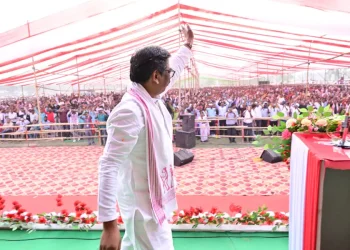
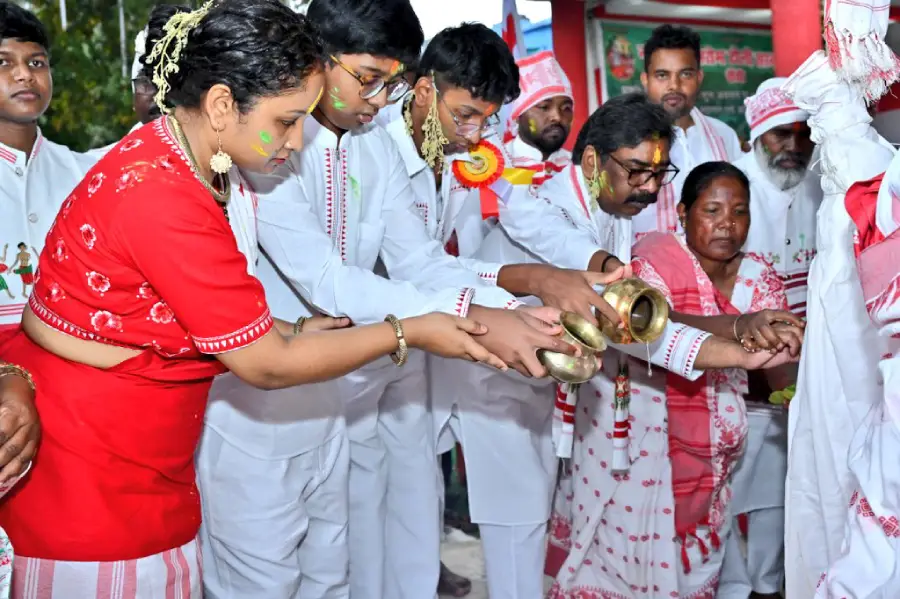
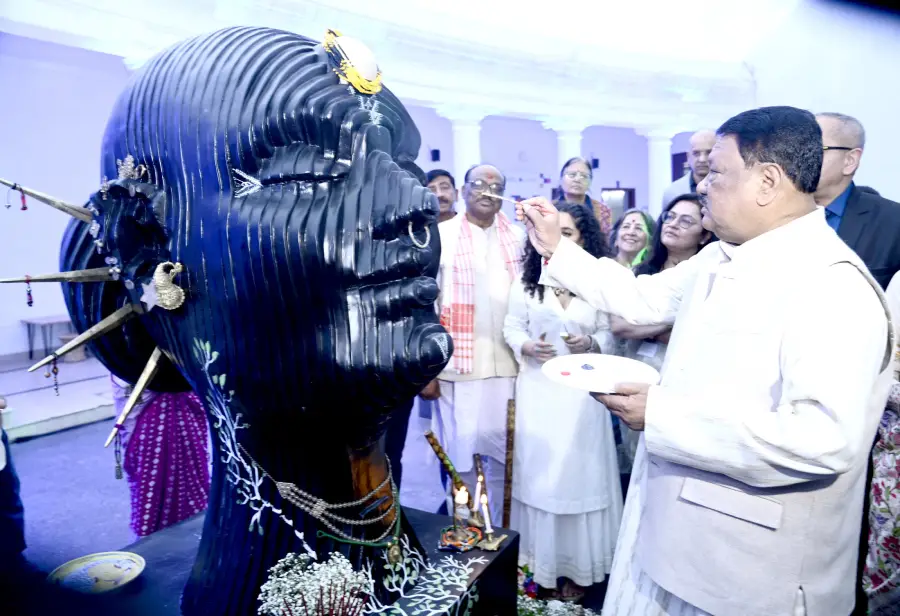
Union Minister of Tribal Affairs, Jual Oram inaugurated the 12-day festival and reaffirmed the Modi Government’s commitment to preservation of tribal heritage alongside structured economic empowerment of tribal communities.
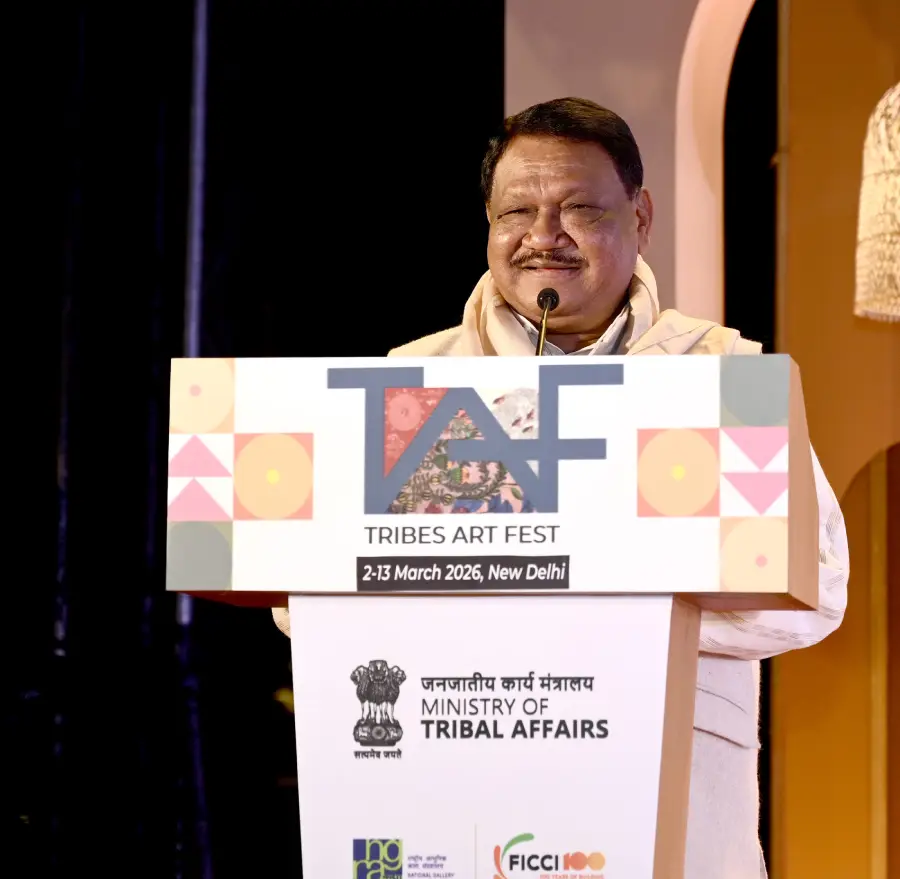
TAF seeks to create fair market conditions where tribal artists receive appropriate value for their work. By facilitating direct engagement with art buyers, galleries, corporate partners, institutions and citizens, the festival facilitates market linkages at scale, the Ministry stated.
On display are art traditions like Warli (Maharashtra), Gond (Madhya Pradesh), Bhil (MP, Rajasthan, Gujarat), Dokra (West Bengal, Chhattisgarh, Odisha), Sohrai (Jharkhand), Koya (Telangana, Andhra Pradesh), Kurumba (Tamil Nadu), Saura (Odisha), Bodo (Assam and North-East), Oraon (Jharkhand, Chhattisgarh), Mandana (Rajasthan, MP), Godna (Bihar, MP, Chhattisgarh), bamboo crafts from the North-East and several others, demonstrating both regional diversity and civilisational continuity.
The Fest will also include panel discussions on themes such as Tribal Art Revival & Sustainable Futures, Tribal Art in Contemporary Spaces, and Livelihoods & Market Linkages besides participatory workshops, storytelling through tribal arts, illustrated talks and live demonstrations.
Over 100 tribal students pursuing art from across India are being provided curated walkthroughs, mentorship sessions with senior tribal artists, and exposure to live creative processes.
A special programme on International Women’s Day will spotlight leadership and entrepreneurship among tribal women artists. Inclusive workshops for visitors, including sessions for persons with special needs, will further strengthen community participation.
The Ministry envisions enhanced national and international recognition of tribal art and culture, strengthened livelihood opportunities through direct market access, and positioning of tribal art as a dignified and sustainable pillar of India’s creative economy.
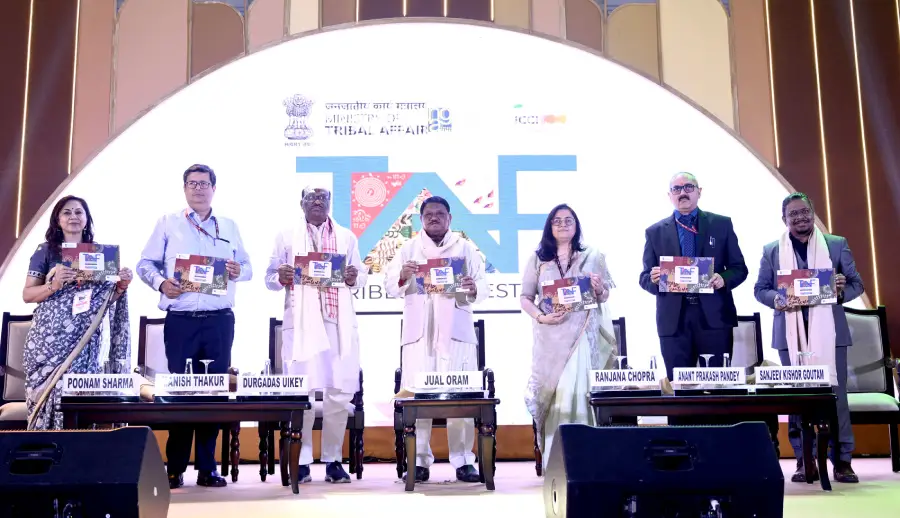
Open to the public from March 3, TAF aligns with the Prime Minister’s vision of Viksit Bharat at 2047 and reinforces the Government of India’s commitment to inclusive growth, cultural preservation and sustainable economic empowerment of tribal communities, the Ministry noted.
The Ministry has invited all stakeholders to engage deeply with the festival, support tribal artists through direct purchase, and contribute to advancing cultural equity and prosperity for tribal communities.
A special highlight of TAF 2026 is Project Khum – Rooted in Creativity, conceptualised by Jai Madan along with tribal artists. “Khum,” meaning flower in Kokborok (Tripura), symbolises blossoming, vitality and full creative expression.
Designed as a participatory installation, tribal women artists collectively transform a shared visual framework into a vibrant artwork through colour, motif and lived tradition. Presented in the spirit of International Women’s Day, the installation foregrounds women’s creativity, leadership and cultural memory, affirming that when women create, culture blossoms.
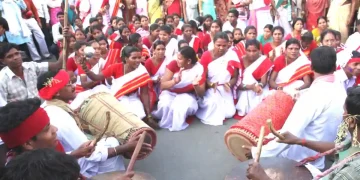
As part of the cultural segment, Khmih Creative Society from Shillong, Meghalaya presented an evocative showcase of tribal musical traditions, seamlessly blending tribal rhythms and instruments with a powerful patriotic and contemporary expressions, earning enthusiastic appreciation from the audience.