


New Delhi
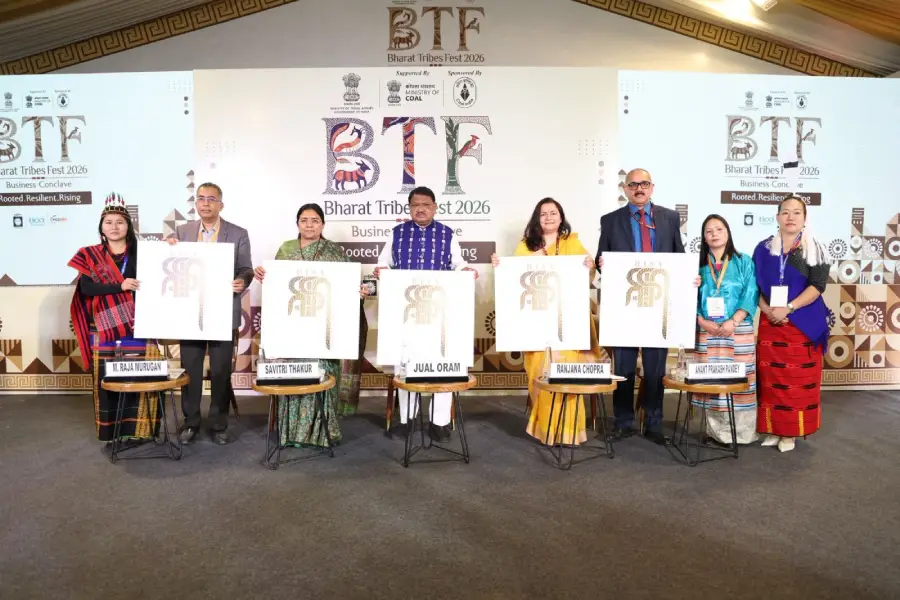
In a novel move to elevate India’s tribal craftsmanship onto the global stage, the Ministry of Tribal Affairs (MoTA) has launched a premium signature brand named RISA: Timeless Tribal.
Unveiled at Sunder Nursery on Wednesday, the initiative, under the aegis of TRIFED, blends heritage with high fashion, aiming to reposition indigenous textiles and handicrafts as aspirational, luxury offerings.
At its core, RISA is more than a brand—it is a cultural and economic intervention designed to preserve tribal looms and craft traditions while generating sustained market interest among discerning consumers. By bringing together artisans, institutions, and some of India’s most celebrated designers, the initiative seeks to redefine how tribal products are perceived and consumed.
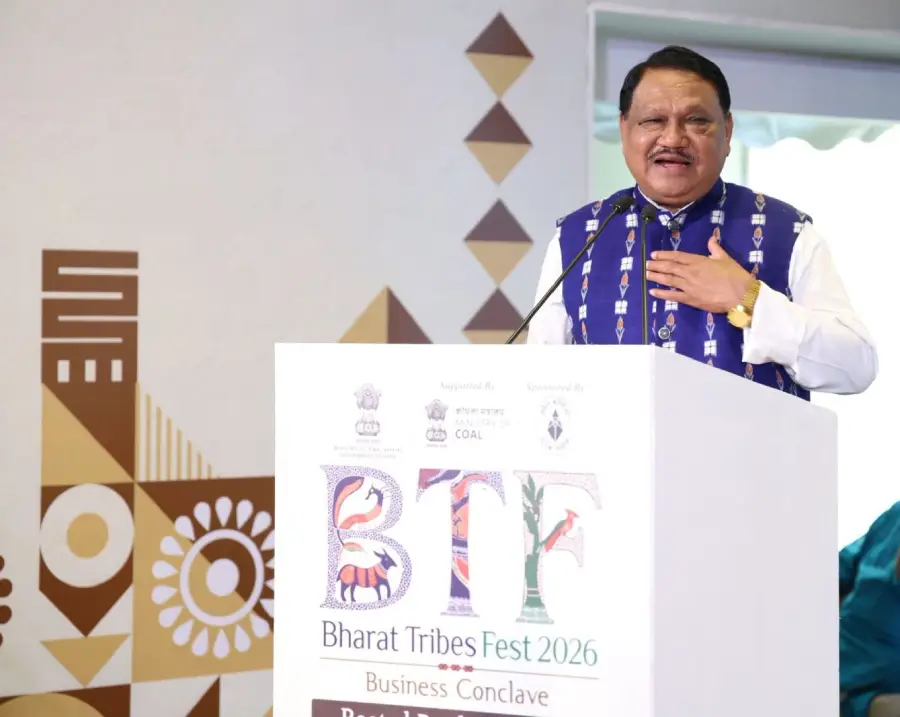
“Tribal crafts are timeless yet undervalued, and platforms like Bharat Tribes Fest and RISA are bridging this gap through market access and fair profit-sharing,” Tribal Affairs Minister Jual Oram remarked addressing the gathering after launching the brand at Bharat Tribes Fest. The essence of the initiative is correcting historical inequities while unlocking the economic potential of traditional knowledge systems.
MoS Women and Child Development Savitri Thakur underscored the broader developmental vision behind the initiative. “Through various platforms, tribal development is being ensured at every step by the Government, and initiatives like BTF and RISA are strengthening this ecosystem, enhancing market access and enabling tribal communities to play a larger role in the vision of Vocal for Local,” she outlined.
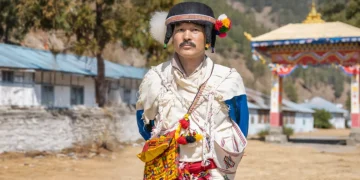
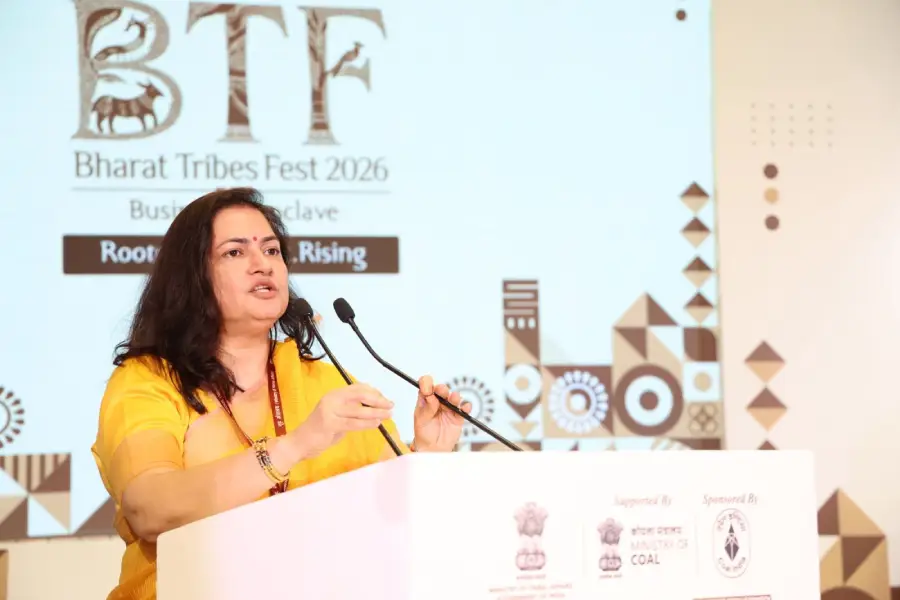
The brand’s identity is deeply rooted in tradition. As explained by Ranjana Chopra, Secretary, MoTA, the name ‘RISA’ draws inspiration from Tripura’s traditional handwoven stole—an enduring cultural symbol worn by both men and women. “Despite rising demand, profits often do not reach tribal artisans; RISA aims to ensure fair, grassroots-level profit-sharing,” she noted, emphasizing the need for equitable value distribution.
A defining feature of the RISA initiative is its strong focus on design intervention and strategic partnerships. The project brings together leading fashion designers including Abu Jani Sandeep Khosla, Manish Tripathi, Anju Modi, Gaurav Jai Gupta, and Sameera Dalvi, all engaged through the National Design Centre. Their collaboration is expected to reinterpret tribal textiles and crafts for contemporary markets without diluting their authenticity.
Designer Manish Tripathi highlighted this collaborative spirit, observing: “Design in India has never been confined to studios; it lives in its people, its traditions, and its timeless cultural memory. RISA is not just a brand but a co-creation, where every weave, every motif, and every detail is shaped by the hands of artisans, who are the true custodians of this legacy.”
Managing Director, TRIFED, M. Rajamurugan highlighted the collaborative effort behind the launch, noting that the brand stands as “a powerful symbol of community-led production and inclusive growth,” reflecting the creativity and enterprise of tribal communities.
The initiative is structured around four key pillars: design intervention, capacity building, infrastructure development, and premium packaging. Artisans will receive training to adapt to high-value markets, while weaving and handicraft clusters will be strengthened with improved facilities, including stitching units. Complementing this is a sustainable packaging system developed by the National Institute of Design, Haryana, tailored for premium segments.
The first phase of the RISA launch features a curated selection of some of India’s most iconic weaves and crafts:
| S. No. | Weaves/ embroidery | Communities Involved | State/UT |
| 1. | Eri silk | Bodo | Assam |
| 2. | Santal cotton | Santal | Jharkhand |
| 3. | Changpa Pashmina | Changpa | Ladakh |
| 4. | Kotpad cotton | Mirgan | Odisha |
| 5. | Muga silk | Miri (Mising) | Assam |
| 6. | Dongria embroidery | Dongria Kondh | Odisha |
| 7. | Toda embroidery | Toda | Tamil Nadu |
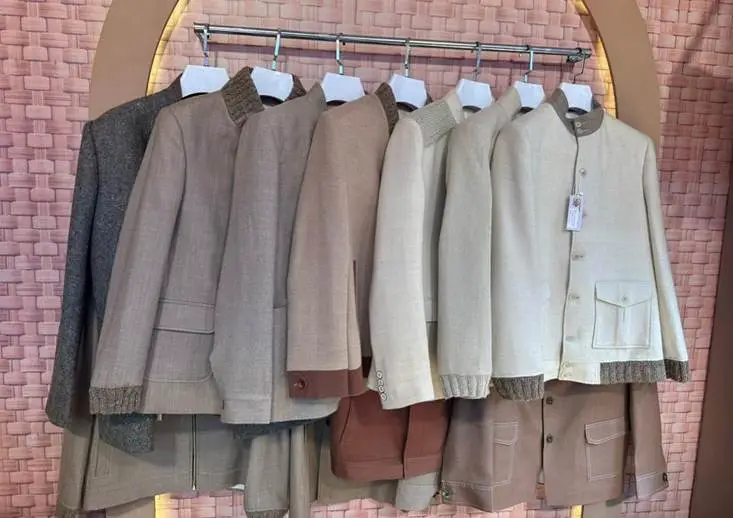
This curated approach ensures representation across regions and communities while maintaining a strong focus on quality and storytelling. Each product under the RISA label is envisioned as a narrative—of heritage, identity, and skilled craftsmanship passed down through generations.
Besides, the brand will also showcase specialized Handicrafts including Longpi Pottery (Manipur), Turtuk Brass Cutlery (Ladakh), and the world-renowned Dokhra Art (Chhattisgarh).
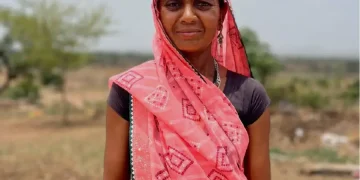
Beyond aesthetics and commerce, RISA carries a deeper socio-economic purpose. By ensuring fair compensation, enhancing skills, and expanding market access, it aims to transform the livelihoods of tribal artisans, particularly women. The initiative aligns with the broader vision of building a self-reliant and inclusive economy, where indigenous communities are active participants in national growth.
Aligned with the vision of Prime Minister Narendra Modi for a Viksit Bharat, officials said, the initiative strengthens the role of tribal communities as key contributors to India’s growth story, promoting sustainable livelihoods, value addition, and global recognition for indigenous craftsmanship.