



Banswara
These are the stories of tribal women who, despite having no formal education and limited resources, ignited a wave of change in their villages.
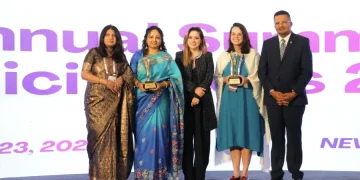
All four women stand as proof of an emerging new model of female leadership in tribal society. One transformed water access and agricultural productivity; another ensured that government welfare schemes reached poor children; a third revived indigenous seeds and nutrition security; and the fourth challenged harmful social practices to safeguard the future of girls.
Located at the southern tip of Rajasthan, Banswara district’s Ghatol block is known for its hilly terrain, rain-fed farming, marginal landholdings, and migration-dependent families. The Bhil tribe forms the majority population here.
This Scheduled Tribe community has traditionally depended on agriculture and daily wage labor. Water scarcity, low crop yields, and a male-dominated social structure have long defined these villages.
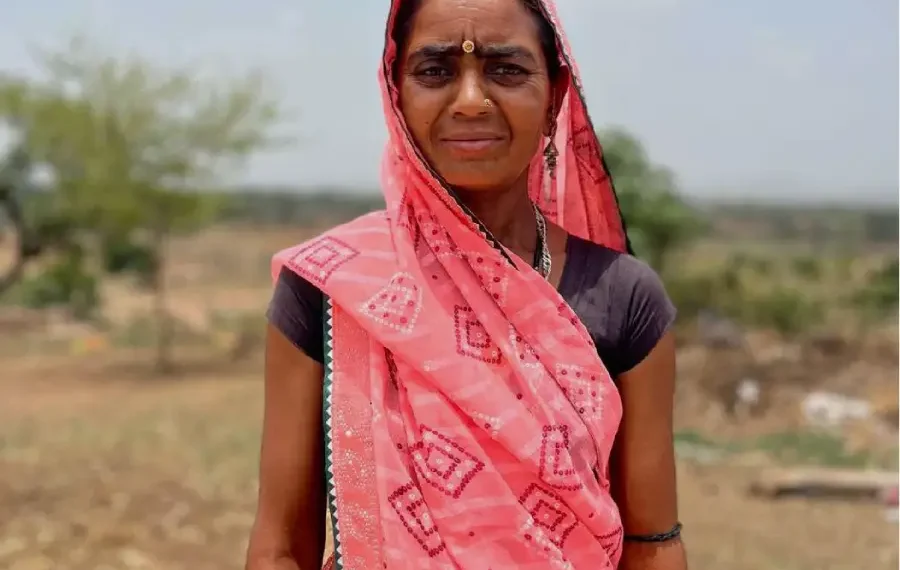
Against this backdrop emerges 45-year-old Indra Devi from Goj Rathore village—a simple farmer who has demonstrated extraordinary leadership.
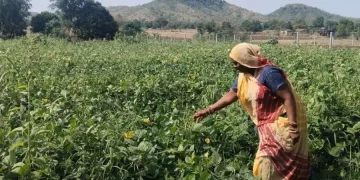
Rocky land, every drop of water painstakingly saved, and low yields despite hard work—that was her life. But after joining the Gram Swaraj group of Vagadara (NGO), she first learned about the Pradhan Mantri Krishi Sinchayee Yojana. This scheme provides drip and sprinkler irrigation systems to marginal farmers, helping conserve water and increase productivity.
Initially, she could hardly believe that the government would directly engage with her. However, encouragement from an NGO field worker boosted her confidence. With the help of the village secretary, she submitted her first application.
It began with 10 families. Then 20, 50, 100—and today, more than 250 families have benefited from the scheme.
Indra personally collects application forms from the government office in Rupji Ka Kheda. She helps farmers link their Aadhaar cards with mobile numbers, completes OTP verification, coordinates with banks, and often pays for petrol from her own pocket to take farmers to government offices.
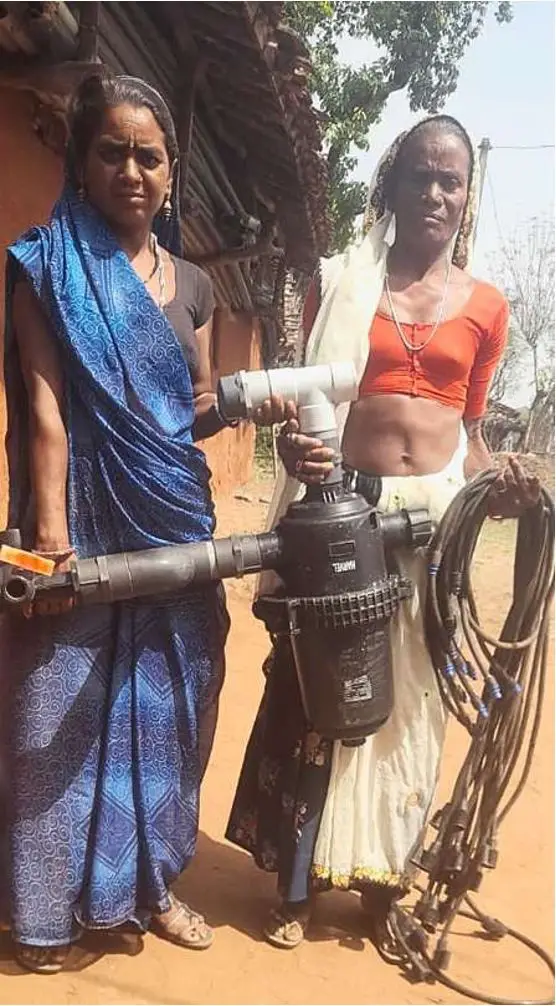
Each farmer received 700 feet of drip pipes and a set of 40 sprinkler heads. Outside her own home, she organizes training sessions, teaching farmers how to install and maintain the irrigation systems.
“Earlier, people used to ask why women were roaming outside the house. But when water reached the fields and crop yields improved, those same people began calling me ‘Didi’ (elder sister). By joining the Saksham Mahila Group formed by Vagadara, I gained access to information about government schemes and capacity-building training. Now I feel I haven’t just brought water—I have earned respect,” said Indra Devi.
She also connected farmers to vermi-compost and improved seed varieties. By organizing women, she raised demands for better water infrastructure. In 2019, hand pumps were installed in the village. Now women no longer have to walk one kilometer daily to fetch water.
Geeta Devi Ninama says, “Without Indra Didi, we would never have received drip irrigation. She taught us how to fill out forms and visit banks. Today, both our crop production and income have increased.”
In the beginning, her husband objected to her removing her veil and stepping outside the home. But the results turned opposition into support. In 2025, at the Delhi Swaraj Dialogue, she addressed the gathering from the stage and even sang a song—reaching a new height of self-respect and confidence.
(Vikas Meshram is a social development worker and writer.)