

New Delhi
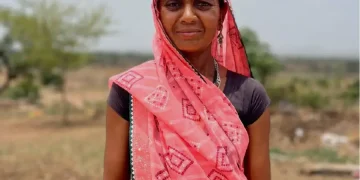
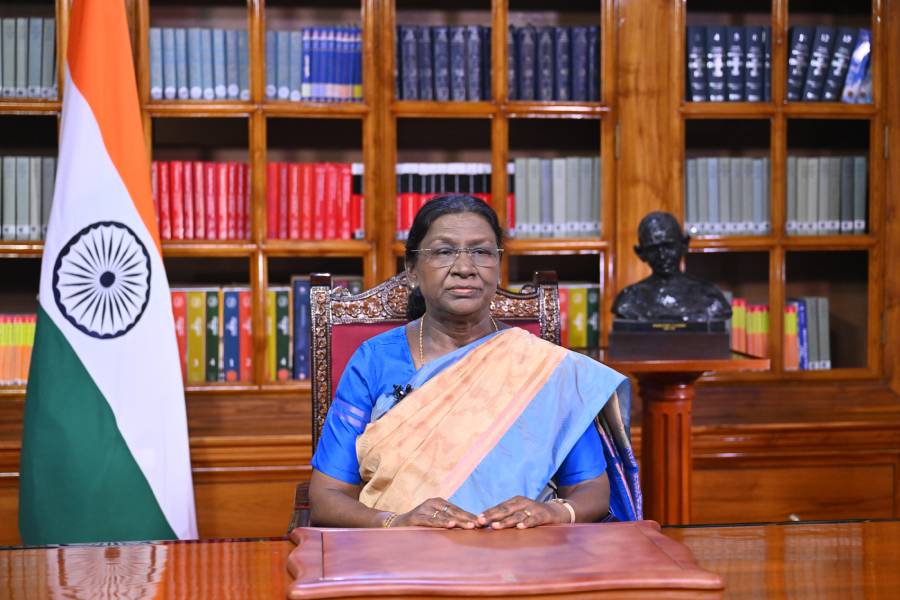
In her address to the nation on the eve of Republic Day, the President on Sunday underlined the central role of tribal communities in India’s journey towards an inclusive and empowered Republic, highlighting a series of initiatives aimed at recognising their history, strengthening their leadership, and improving access to health and education.
The President recalled that the country recently observed the fifth Janjatiya Gaurav Divas on 15 November, commemorating the birth anniversary of Dharti Aaba Bhagwan Birsa Munda. She noted that the occasion also marked the culmination of nationwide celebrations to honour the 150th birth anniversary of Birsa Munda, a towering symbol of tribal resistance, self-respect and identity. According to the President, these commemorations have helped bring the glorious contributions of tribal communities into the national consciousness.
Emphasising that welfare and development of tribal communities remain a high national priority, the President highlighted the government’s focused efforts to nurture leadership and self-confidence among Janjatiya communities. She referred to the Adi Karmayogi campaign as a key initiative aimed at strengthening leadership potential within tribal society, enabling community members to actively participate in governance and development processes.
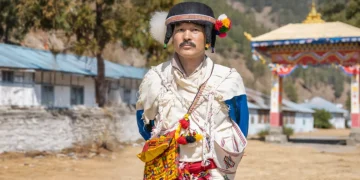
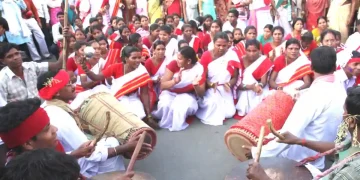
The address also stressed the importance of preserving and showcasing tribal history and culture. The President noted that museums and cultural initiatives have been established in recent years to introduce citizens to the rich heritage, traditions and struggles of tribal communities. She said such efforts not only honour the past but also foster mutual respect and understanding in a diverse society.
Health and education emerged as major pillars of tribal empowerment in the address. The President highlighted the National Sickle Cell Anaemia Elimination Mission, under which more than six crore screenings have been conducted so far. She pointed out that this large-scale effort is especially significant for tribal regions, where the disease has had a disproportionate impact, and reflects a commitment to ensuring healthier futures for tribal families.
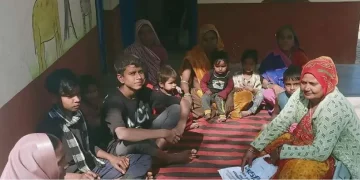
On education, the President noted that nearly one lakh forty thousand students are currently enrolled in Eklavya Model Residential Schools across the country. She said many of these students have performed exceptionally well in competitive examinations, demonstrating the transformative impact of quality education in remote and tribal-dominated areas. According to her, such outcomes show how targeted interventions can unlock talent and aspiration among tribal youth.
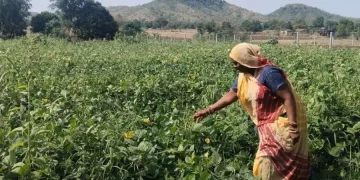
The President further highlighted flagship initiatives such as the Dharti Aaba Janajatiya Gram Utkarsh Abhiyan and the PM-JANMAN Yojana. She said these programmes have been designed to empower all tribal communities, including Particularly Vulnerable Tribal Groups, by improving infrastructure, livelihoods and access to essential services.
Concluding her remarks on tribal development, the President said these combined efforts in health, education and cultural recognition are helping create harmony between tribal traditions and modern development. She underlined that strengthening tribal communities is integral to building a just, inclusive and confident Republic, rooted in dignity, opportunity and shared progress for all citizens.