







Ranchi
The Naveen Jindal Group has outlined plans to collaborate with the Government of Jharkhand across steel, clean energy, power infrastructure and skilled education, following discussions held in Ranchi on January 2 between chairman of the Group Naveen Jindal and Chief Minister Hemant Soren.
Building on those talks, specific collaboration areas have been identified to support Jharkhand’s sustainable industrial development agenda. The discussions covered potential investments in steel manufacturing, clean energy and power infrastructure, aligned with India’s transition towards a low-carbon economy.
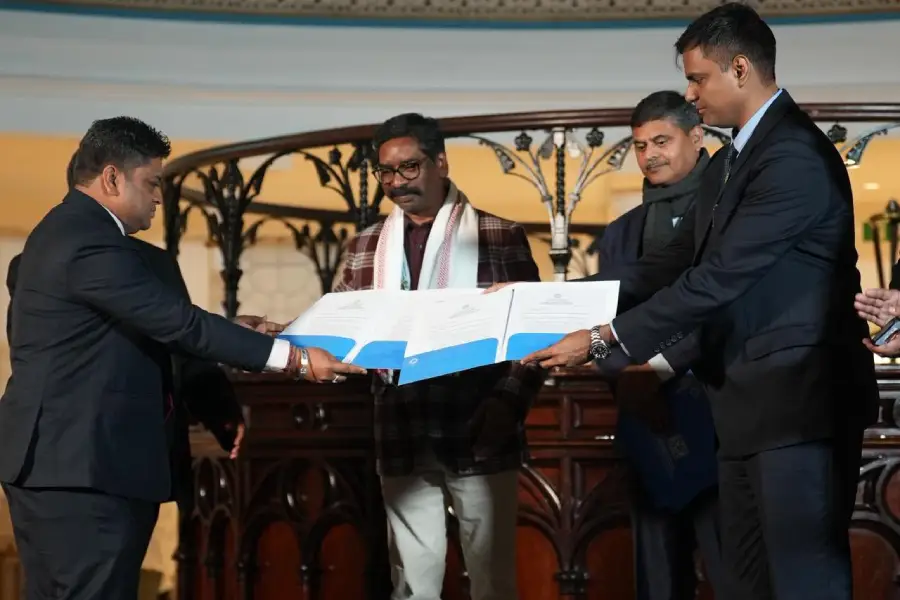
The engagement also acknowledged the Marang Gomke scholarship initiative, with proposals for partnership in skilled education and scholarship support for students from Jharkhand. In addition, expressions of intent were shared for capacity building and training programmes aimed at strengthening institutional and workforce capabilities in the State.
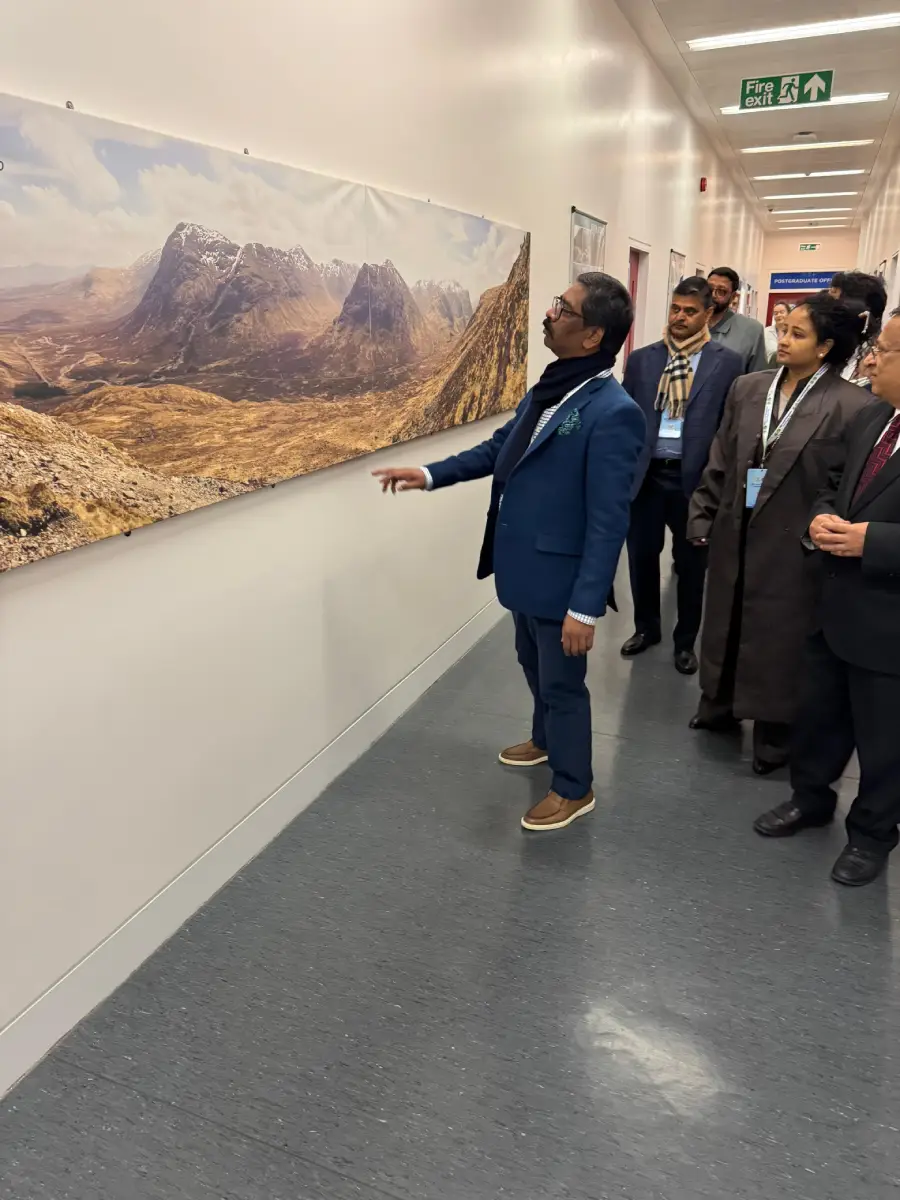
Separately, the Chief Minister visited the Royal School of Mines at Imperial College London as part of Jharkhand’s international outreach on critical minerals, advanced processing and clean energy transitions. During the visit, he toured key laboratories and interacted with leading researchers working on mineral beneficiation, advanced materials, nuclear-linked research and sensing technologies.
Experts including Stephen Neethling, Mark Wenman, Mark Sephton, Mukesh Kumar, Surya Kumar Singh and other faculty members highlighted how cutting-edge research in mineral characterisation, modelling and imaging can be translated into industrial-scale applications. Discussions focused on enabling resource-rich regions like Jharkhand to move beyond raw extraction towards value-added manufacturing.
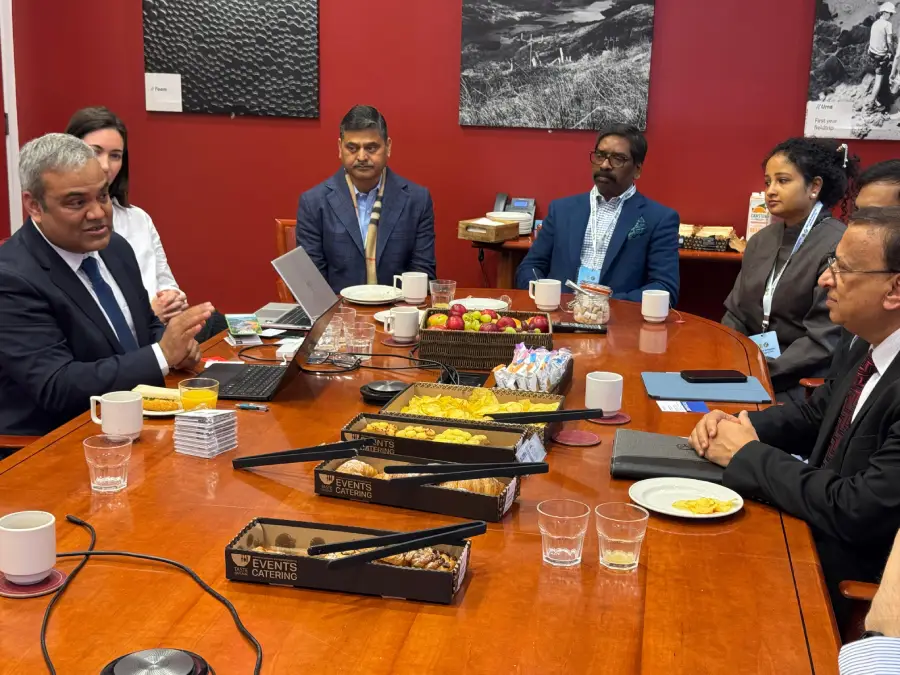
The visit reaffirmed Jharkhand’s intent to pursue long-term academic and research partnerships with global institutions, particularly in technology development, skills and institutional capacity building. Officials described the engagement as a step towards positioning Jharkhand as an emerging hub for critical minerals, advanced manufacturing and sustainable industrial growth.
WHAT IT MEANS?
These twin developments signal a strategic shift for Jharkhand—from being primarily a mineral supplier to becoming a centre for value-added steel, clean energy and critical minerals processing.
The partnership with the Naveen Jindal Group on clean energy and low-carbon steel aligns Jharkhand with global ESG standards, making the state more attractive for future international climate-linked investments. Collaboration with the major industrial group would strengthen investment confidence.
Together, they align Jharkhand’s mineral wealth with global decarbonisation goals, future manufacturing needs and employment generation, offering a pathway for sustainable growth beyond traditional extractive models.
Also, integrating industrial growth with skilled training and international scholarships ensures that the local workforce is not left behind, creating a “just transition” where economic growth directly supports social mobility.
By partnering with Imperial College, Jharkhand seeks to move beyond basic mining. Adopting “beneficiation” and “advanced sensing” technologies will allow the state to process critical minerals locally, significantly increasing revenue and industrial sophistication. It anchors the State’s ambitions in R&D, innovation and high-end skills.