


Nadia (West Bengal)
‘Rugda’ (Astraeus hygrometricus), a rare, wild and indigenous edible mushroom, is found in the dense, humid sal (Shorea robusta) forests of the red lateritic zone of the Chotanagpur plateau in West Bengal, covering Purulia, Bankura, Birbhum and West Midnapore districts. In Jharkhand, it is mostly found in the districts of Ranchi, Gumla, Lohardaga, Khunti and Simdega in Jharkhand
Ideal Climate And Natural Growth Conditions
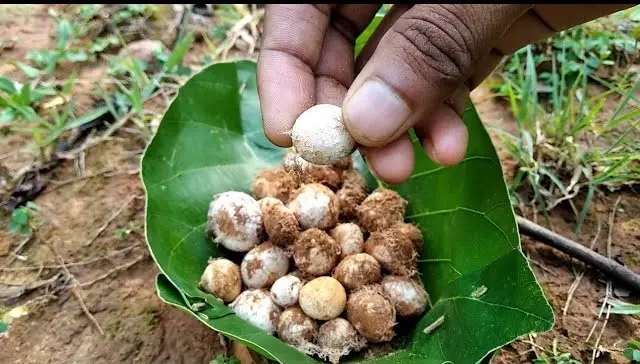
Locally (in Bengal) known as Futka, Khudki and Pattu, Rugda grows beneath the soil at the base of Sal trees during the monsoon—from July to September. Its symbiotic relationship with Sal trees makes it an essential seasonal food and income source for tribal communities.
High rainfall, moderate sunlight and temperatures between 28°C and 30°C are ideal for Rugda’s growth. Decaying Sal leaves form nutrient-rich humus, fostering its underground development. With the onset of monsoon rain, slight ground elevations indicate its presence. Among the edible varieties found, the white-coloured Rugda is considered the most nutritious.
Nutritional Powerhouse For Tribal Communities
Rugda has been a staple food for rural tribal communities for generations and serves as both nourishment and livelihood. It is said thar a 100g serving of fresh Rugda contains 83.9g moisture, 3.68g protein, 1.98g carbohydrate, 0.42g fat and 3.11g fibre. It is also rich in Omega-3 fatty acids, vitamins B2, B12, B3, and minerals like potassium, copper, calcium, iron and phosphorus. This impressive nutritional profile has earned Rugda the title “vegetarian mutton” in West Bengal and Jharkhand.
Traditional Therapeutic Value And Health Benefits
This mushroom is valued for its diverse bioactive compounds and documented therapeutic properties—antioxidative, anticancer, antimicrobial, anti-inflammatory and antidiabetic effects. Ayurvedic practitioners believe it helps in managing cancer and asthma. Its high protein content supports healthy weight gain, while high mannitol levels make it beneficial for diabetic patients. Rugda also supports heart health and helps regulate blood pressure.
Women Harvesters: Keepers Of Indigenous Knowledge
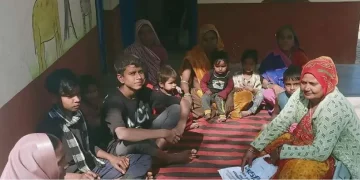
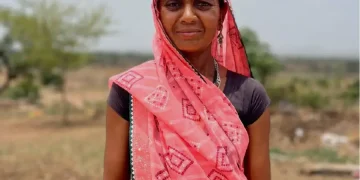
Tribal women, experts in forest-based foraging, play a crucial role in identifying and harvesting Rugda. During the rainy season, they venture deep into the Sal forests, collect the mushrooms, wash off the soil coating and sell them in local markets. Fresh Rugda commands a high market price—between Rs 800 and Rs 1,500 per kg—providing a significant seasonal income source for many families. The mushroom is available only in its fresh form, as it cannot be processed or stored effectively.
Culinary Uses And Cultural Significance
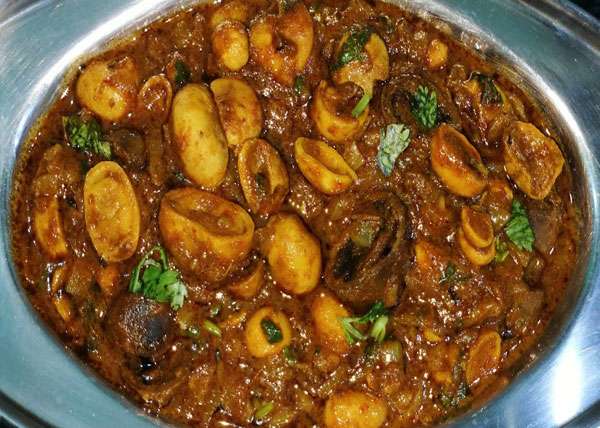
Rugda is a small, ball-shaped, white mushroom without a stalk. Its tough outer layer encloses a blackish yolk responsible for its distinct taste and aroma. Celebrated as a meat substitute for its texture and digestibility, Rugda is most commonly used in curries and spicy preparations. Popular dishes include Rugda curry and Rugda pakoda, where pieces are dipped in spiced batter and deep-fried.
Spiritual Beliefs And Socio-Economic Importance
Beyond food, Rugda is woven into the cultural and spiritual fabric of tribal life. Many believe that its medicinal potency decreases with cooking, leading them to consume small, immature Rugdas raw for maximum benefits. The mushroom plays a vital role in food security, traditional healthcare practices and household economics.
Challenges Of Perishability And Limited Market Reach
Rugda is highly perishable and must be consumed within eight hours of harvesting. It grows only during the monsoon and cannot be stored for future use. Limited shelf life, specific climatic requirements, and the absence of processing or preservation methods restrict its availability and wider commercialization. Transporting it over long distances is also difficult.
Climate Change, Habitat Loss And Declining Yield
Climate variability—erratic rainfall, rising temperatures and prolonged cloudy weather—is reducing Rugda production. Habitat destruction due to mining, construction and industrial projects in Sal forests further threatens its natural growth. High demand often leads to over-harvesting, increasing the risk of depletion. Without scientific cultivation methods or sustainable harvesting protocols, Rugda remains vulnerable to disappearance.
Urgent Need For Conservation And Sustainable Harvesting
Preserving this ancient indigenous delicacy requires protecting Sal forest ecosystems, promoting sustainable harvesting, and investing in research for cultivation techniques. Rugda represents more than a seasonal food—it is a cultural heritage, a health resource and a livelihood source for tribal communities. Ensuring its survival is essential for ecological balance and the well-being of the people who depend on it.
(Author is Lecturer, Horticulture at Susrijo Institute Of Agricultural Science, Technology And Management, Nadia, West Bengal)